


One bad clarifying wash is often enough to make curly-haired people hesitate next time. The curl pattern drops, the ends feel rough, and the hair loses that clean, defined look you were after. That is the reputation clarifying shampoo for curly hair has to work against. In reality, curls just tend to hold onto product longer, so buildup can show up before it becomes obvious.
Does Curly Hair Need Clarifying Shampoo?
Quick answer: Yes, curly hair really does benefit from clarifying shampoo. Curly routines layer multiple products that a regular wash cannot fully clear, so product buildup is close to inevitable, and it often arrives sooner than expected. Clarifying gives curls a reset that no other step in the routine delivers.

Is Clarifying Shampoo Good for Curly Hair?
Yes. Used at the right frequency and in the right formula, a clarifying shampoo lifts residue away without harming the curl pattern. The concern curly-haired readers usually have is about stripping, and that comes down to which formula you reach for rather than whether you clarify at all.
Benefits for Curly Hair
- Removes dried-up gel and cream residue that a daily wash leaves behind.
- Gives the scalp the genuine reset it needs once product buildup is gone.
- Brings curl shape back when buildup has been weighing the hair down.
Why Curly Hair Builds Up Faster
Curly hair holds onto residue differently than straighter hair. The bends in the strand slow everything down, so conditioners, oils, and styling gels linger longer than you expect. Curly strands also carry more cuticle layers per inch than straight strands, which is part of why residue clings.
Co-washing can make that worse, since it does less to clear the hair. Hard water adds another layer, leaving curls stiff, dull, or oddly dry even when they are not actually short on moisture.
If you are not sure whether clarifying and your regular shampoo are even doing different jobs, this breakdown of clarifying vs. regular shampoo clears that up.
Signs of Buildup
- Curls feel coated or waxy even after the product is rinsed out.
- Creams and leave-ins that normally absorb just sit on the surface.
- Curls have gone flatter or looser than they were a few weeks ago.
- The scalp itches no matter how often you wash.
When a routine relies on LOC (leave-in, oil, cream) or LCO (leave-in, cream, oil), product stacks up fast. That is exactly when clarifying earns its place, clearing residue before it starts weighing the curls down.
Signs Your Curls Need Clarifying
When hair stays dry no matter how much product you pile on, or takes longer than usual to dry, buildup is often the culprit rather than moisture loss. Fine curls tend to show it first, since they cannot carry much weight.
A lighter clarifying formula can make a real difference when curls start going flat before wash day. Low porosity curls trap product more easily, so they are harder to clean and wash day may not feel as satisfying. Oily scalps hit this point faster too.
Is Clarifying Shampoo Bad for Curls?
No, clarifying shampoo is not bad for curls when the formula is right for them. Harsh clarifiers built for straighter hair can leave curls dry and rough, but that is a formula problem, not a reason to skip clarifying altogether. Match the formula to the texture and the reset works in your favour.
Here is where the formula matters most: harsh sulfate clarifiers strip natural oils along with the buildup, which is what leaves curls feeling stripped afterward. A sulfate-free clarifying shampoo for curly hair works differently, clearing product buildup without going so far, and leaving hair ready to take on moisture.
How to Choose the Best Clarifying Shampoo for Curly Hair
A clarifying shampoo should clean thoroughly and free the hair of product buildup while preserving softness and moisture, which means the formula has to be considered rather than simply strong. The best clarifying shampoo for curly hair clears away dead skin cells and debris, keeps the scalp healthy, and leaves the curl ready for the moisture step that follows.
Sulfate-Free Formulas
A sulfate-free clarifying formula gives curls a reset without the harsh after-feel stronger sulfates leave behind. Sulfates can be especially stripping for fine or fragile hair types, which is part of why curl-specific formulas skip them.
Ingredients to Look For
- Chelating agents such as EDTA to bind and remove hard-water minerals.
- Citric acid, which also helps restore the scalp’s natural pH.
- A gentle conditioning ingredient so hair stays smooth rather than chalky afterward.
Hard water minerals are a separate buildup source from product residue, and research on hard water’s effects on hair supports treating them differently.
Ingredients to Avoid
- Sodium lauryl sulfate as the main surfactant.
- Alcohol ranking among the first few ingredients.
- Silicones sold under a clarifying label.
Best Clarifying Shampoo for Different Curly Hair Needs
Fine Curly Hair
A light formulation matters most for fine curly hair, since that texture loses bounce quickest under residual buildup. Even a good product can flatten the hair if it leaves too much behind.
Looser 2A–2C curls generally need less aggressive clarifying than dense 3B–4C patterns, since tighter coils trap more product per strand and can handle a slightly stronger formula. Denser patterns may also need clarifying a little more often, simply because more product collects.
Color-Treated Curly Hair
A color safe clarifying shampoo for curly hair skips sulfates, since repeated use can fade tone. For a fuller explanation, read more about clarifying shampoo for colored hair.
Drugstore Options
Looking for the best drugstore clarifying shampoo for curly hair? Run three label checks in order: sodium lauryl sulfate should not be the main surfactant, a chelating agent such as EDTA or citric acid should be listed, and the bottle should not be selling silicones as a clarifying benefit. Several budget-friendly formulas meet all three and handle routine buildup well.

How to Clarify Curly Hair Without Losing Definition
Buildup collects mostly near the roots rather than further down the hair shaft, which is why it helps to use clarifying shampoo at the roots first and work it gradually through the rest of the hair.
Avoid scrubbing roughly, as over-stimulating the skin can leave it irritated. Rinse with cool or lukewarm water. Hot water opens the cuticle and increases moisture loss, so keeping the temperature down during a clarifying rinse helps curls hold onto more moisture afterward.
After a good clarifying wash the hair is cleaner and far more open to absorbing moisture. That is one of the reasons curls often look better afterward, as long as the rest of the routine stays steady.
Complete Your Clarifying Routine
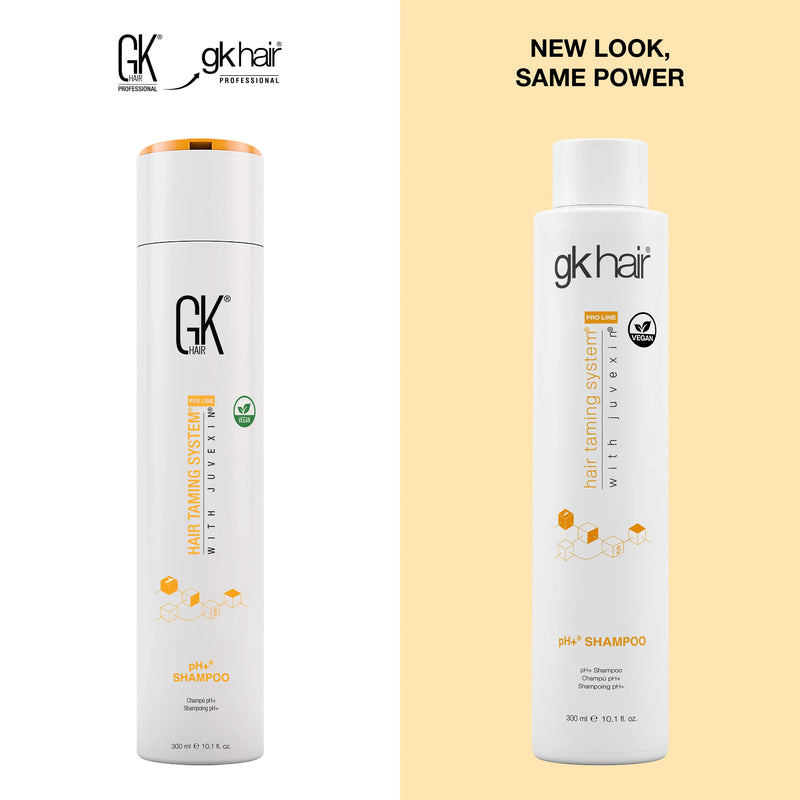
To get the most from a clarifying wash, pair the pH+ Shampoo with these follow-up products and steps:
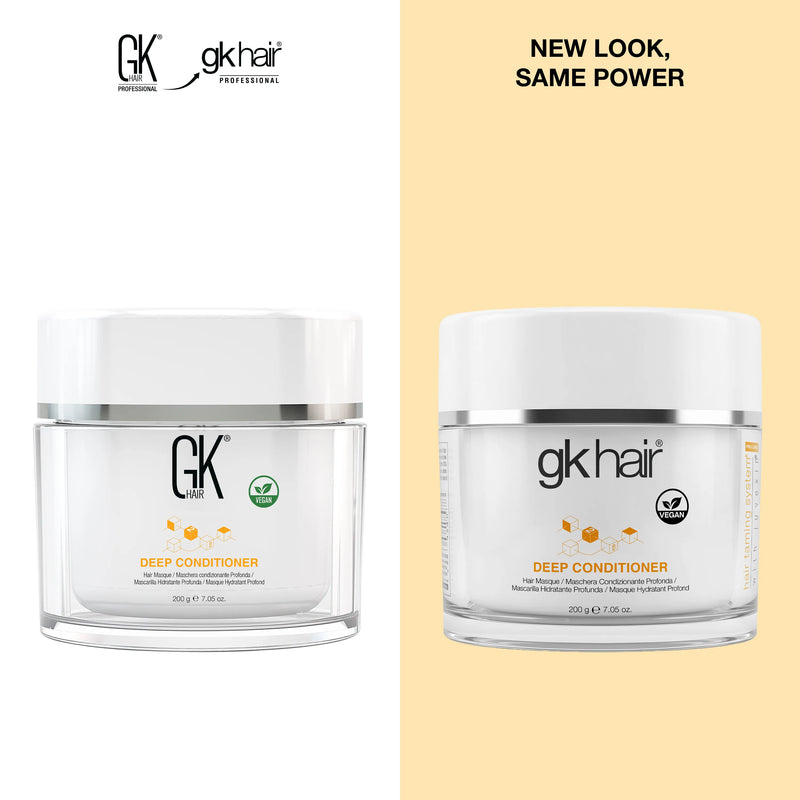
- Deep Conditioner: best for all curl types after clarifying. Hair is at its most porous at this point, so what you use next penetrates better.
- Moisturizing Conditioner: best for fine to medium curls that want lightweight post-clarify hydration without the heavy feeling.
- Argan Oil Serum: best for all curl types wanting frizz control and shine after clarifying.
- Leave-In Cream or Leave-In Spray: best for coily 3C–4C textures needing a constant moisture layer between clarifying sessions.

How Often to Clarify Curly Hair
Frequency depends on how much product you use and how hard your water is. Both drive buildup and can mean clarifying more often. Our guide on how often to use clarifying shampoo covers the full schedule across hair types.
| Curl Type | Recommended Frequency | Notes |
|---|---|---|
| 2A–2B (loose waves) | Every 4–6 weeks | Low product load, light formulas |
| 2C–3A (wavy-curly) | Every 3–4 weeks | Medium buildup risk |
| 3B–3C (curly) | Every 2–3 weeks | Higher product use; tighter coils trap more |
| 4A–4C (coily) | Every 2–4 weeks | Heaviest product load; moisture-rich follow-up |
Whatever the curl type, anyone washing in hard water should clarify at the shorter end of their range.
Common Mistakes to Avoid
Overusing Clarifying Shampoo
Clarifying too often dries curls out quickly, and that is usually where the horror stories begin.
Skipping Moisture
Clarifying without a follow-up mask is half a routine. The wash clears buildup, but it leaves hair without the finish it needs.
Curly hair needs an immediate moisture-replenishing step afterward, while the cuticle is open and ready to absorb. Here is the post-clarify routine we suggest:
- Apply a deep conditioner while hair is still wet and leave it for five to ten minutes.
- Rinse, then follow with a leave-in cream or spray on soaking wet hair to seal moisture into the open cuticle.
- Dry and style as you like with your preferred curl cream or gel.
Choosing the Wrong Formula
Using a clarifying shampoo built for very thin, straight hair on a 4C curl pattern is a mismatch before frequency even enters the conversation.
Clarifying Before a Keratin Treatment
A keratin smoothing service is a real investment of time and money, and buildup can work against it before you even sit down in the chair. Keratin needs even contact with the hair shaft to bond properly, and leftover product residue blocks that contact in patches.
Clarifying first is prep, not a detour. Our stylists treat a clarifying wash as standard first-step prep before any Juvexin-based smoothing service rather than an optional add-on. Juvexin is our non-hydrolyzed keratin protein blend, formulated to penetrate the hair cortex and coat the cuticle. That dual action is why buildup-free hair matters going into a service: it gives Juvexin an even surface to bond to from the inside out.
Is Dawn Dish Soap a Clarifying Shampoo?
No. Its purpose is cleaning greasy dishes, and it is not suited to maintaining a balanced pH environment on your scalp or preserving a natural curl pattern. Dawn does wash out product residue, but it takes your natural oils along with it, which is exactly what curly hair cannot spare.
Stylist’s Corner
If your curls seem coated but not greasy, the residue is sticking to the shaft rather than the root. Keep the first pass at the roots and let the rinse carry the shampoo through the lengths. For fine curls, take an even lighter approach, since product resting at the mids and ends costs bounce quickly.
Our Product Recommendation
Our pH+ Shampoo: best for all curl types managing buildup from creams, gels, oils, and leave-in products. This sulfate-free clarifying shampoo gently refreshes color-treated curls, removes residue without unnecessarily fading tone, and leaves hair clean, light, and ready for conditioning.
Curl-Safe Clarifying Comparison
| Clarifying Type | Best For | Sulfate-Free | Color-Safe |
|---|---|---|---|
| Standard sulfate clarifier | Heavy, non-color-treated buildup | No | No |
| Sulfate-free chelating shampoo | Fine to medium curls, regular buildup | Yes | Yes |
| Our pH+ Shampoo | All curl types, color-treated hair | Yes | Yes |
Frequently Asked Questions
Is clarifying shampoo good for curly hair?
Yes. Curly hair absorbs and retains oils, creams, and gels more readily than straight hair. A clarifying wash removes that buildup without disrupting the curl pattern, provided you use a sulfate-free formula and follow immediately with a conditioning step.
How can you tell if curly hair needs clarifying?
If your curls feel coated or waxy even after rinsing, will not absorb a leave-in properly, or have lost their usual bounce overnight, buildup is most often to blame. A persistently itchy scalp despite regular washing points the same way.
Is Dawn dish soap a clarifying shampoo?
No. Dawn is made for dishes, not scalps. Its strong degreasing surfactants do remove buildup, but they strip natural oils aggressively enough to leave curly hair coarse and fragile after just a few uses.
What is the best clarifying shampoo for curly hair?
The best option uses chelating agents such as EDTA or citric acid in place of strong sulfates. That gives curls a genuine reset without the harsh, rough after-feel that puts curly-haired people off clarifying in the first place.
Is a sulfate-free clarifying shampoo better for curly hair?
Generally, yes. A sulfate-free clarifying shampoo cleans without the aggressive foam and stripping that can leave curls frizzy and dry afterward, which matters more for textured hair than for most other types.
How often should you use clarifying shampoo on curly hair?
Most curl types clarify every two to four weeks, though a heavy product load and hard water can call for more. Rather than following a set schedule, watch for buildup and reset when curls start to feel coated.
Can clarifying shampoo dry out curly hair?
Yes, but only when it is used too often or the formula is too harsh. A sulfate-free option followed by a conditioner keeps dryness from becoming part of the story.
Ready to Clear the Buildup?
Clarifying shampoo does not damage curls. Bad formulas do, and so does poor timing. If your curls need a reset, choose a clarifying shampoo that washes away residue without leaving your strands feeling like a science experiment.
Get our pH+ Shampoo and pair it with the Deep Conditioner to reset your curls the right way, or browse the full Shampoo and Conditioner collection.


Laisser un commentaire