


Quick Answer
A clarifying shampoo is a deep cleansing shampoo made with stronger surfactants that strip away product buildup, hard water minerals, chlorine, and the excess oil your regular shampoo leaves behind. It works as an occasional reset when your hair feels weighed down, lacks shine, or stops responding to your usual routine like it used to.
If your hair has been looking a little flat lately, weighing down fast, or just not responding to conditioner the way it used to, product buildup is probably the culprit. Think about the bottom of a candle jar after months of burning it, all of that leftover wax just piles up until you can’t really tell what else will stick to it. Your hair works the same way, layering build up from dry shampoo, styling creams, and hard water until your regular routine stops doing much of anything.
The fix isn’t a fancier conditioner or a new serum. It’s a clarifying shampoo, and once you understand what it actually does, you’ll probably wonder why you didn’t reach for one sooner.

What Is Clarifying Shampoo?
At its simplest form, clarifying shampoo is a deep cleansing shampoo. As effective as it is at cleaning your hair, regular shampoo doesn’t cut through the buildup that accrues on your hair with daily styling.
Essentially it binds to oil, silicones, and mineral residue that accumulates on the hair shaft, then washes them away completely. Clarifying shampoo is not conditioning your hair or replacing lost moisture, it’s just cleaning, and it does that one task better than anything else you’ll find in your shower.
How It Works
Clarifying shampoos have stronger concentrations of cleansing agents called surfactants. They bind to oil and debris allowing them to be washed away completely with water.
But did you know there’s actually a little science happening with ionic charges when you use clarifying shampoo? Many hair products contain positively or negatively charged polymers that bond tightly to your hair, tight enough that plain water can’t rinse them out. Clarifying shampoo contains ingredients with the opposite charge, which attach those leftovers to water molecules so they slip down the drain instead of resettling on your scalp.
What It’s Actually Removing
Now that you know how clarifying shampoo works, let’s talk about what it’s specifically removing:
Silicones
Silicones are found in most conditioners, serums and styling products. Those sleek coatings leave your strands smooth and glossy which is why we use them in the first place. Most times that coated feeling causes buildup and blocks moisture from reaching your hair shaft. A clarifying shampoo and conditioner strips those coating layers off together.
Hard Water Minerals
If you live in a hard water area, your hair is constantly being bombarded with calcium and magnesium particles whenever you turn on the faucet, since they don’t dissolve in water. A clarifying shampoo for hard water is worth keeping in rotation specifically for this, since regular shampoo can’t fully clear that mineral film on its own.
Chlorine
Chlorine from swimming pools is actually really harmful to your hair. It strips away moisture, messes with the tone of dyed hair and leaves behind residue that a basic shampoo can’t fully remove. Clarifying shampoo contains chelating agents that neutralize those harsh chemicals then lifts them away. So if you swim often, wash with clarifying shampoo after you get out of the pool.
Sebum
Natural oils produced by your scalp are known as sebum. While sebum is great for keeping your hair moisturized and protected, too much sebum buildup, which happens when you have an oily scalp or sweat a lot, can make your hair look flat and greasy quickly after washing. Clarifying shampoo cuts through that residue and restores your scalp’s natural balance.
Clarifying Shampoo Ingredients Explained
Sulfates
This is by far the strongest cleansing agent used in clarifying shampoos. Sulfates are amazing at stripping your hair of oils and product residue but can feel drying on color-treated hair or already-damaged hair if used too frequently.
Chelating Ingredients
You may have noticed we talked about chelating agents above when we covered how clarifying shampoo works. While chelating agents can be found in most clarifying shampoo, because they’re just that good at what they do, you’ll find them prominently on bottles that specifically target hard water buildup. Chelating agents bind specifically to metal ions like calcium, magnesium, and copper.
Milder Cleansing Agents
Yes, there are clarifying shampoos without sulfates, and brands like GK Hair use milder surfactant blends to lift away buildup. These tend to be the better pick for anyone clarifying more often than average, or for hair that’s already been through color or chemical treatments.
What Does Clarifying Shampoo Do?
Think of clarifying shampoo like hitting the reset button for your hair and scalp. It cleanses your hair deeply by:
- Eliminating product buildup from hairspray, leave-in conditioner, mousse, and dry shampoo layering on the hair shaft
- Balancing oil production by removing buildup that irritates the scalp
- Refreshing and exfoliating the scalp
- Restoring volume and bounce by lifting the residue that weighs strands down
- Prepping hair for chemical treatments
- Improving product performance
- Supporting more vibrant, even color results
Studies show that buildup coupled with excess sebum on the scalp can prevent healthy follicle functioning, so incorporating a clarifying shampoo into your routine keeps the scalp clean and healthy.

Clarifying Shampoo vs. Regular Shampoo: Key Differences
If you’ve been wondering what’s the difference between clarifying shampoo vs regular shampoo, you’ve come to the right place. Clarifying shampoo and regular shampoo only differ by intended purpose.
| Feature | Regular Shampoo | Clarifying Shampoo |
|---|---|---|
| Objective | Light everyday cleansing | Deep cleanses, removes buildup and residue |
| Surfactant Strength | Mild to moderate | Highly concentrated / strong |
| Conditioning Agents | High (leaves hair soft) | Minimal (leaves hair pristine and bare) |
| Recommended Frequency | 2–5 times per week | 1–4 times per month (depending on your hair type) |
| Hair Feel After Use | Hair will feel smooth and hydrated | Hair will feel squeaky clean |
| Ideal For | Maintaining healthy hair on a daily basis | Prepping hair for chemical treatments and weekly resets |
Clarifying Shampoo vs. Cleansing Shampoo
The two get used interchangeably on packaging, but they are not built to do the same job. “Cleansing shampoo” is broad marketing language, usually describing a slightly stronger everyday shampoo, and often a deep cleansing shampoo sits somewhere between a daily wash and a true clarifier.
Are They the Same Product?
No. A clarifying shampoo is defined by its formulation: a high concentration of surfactants, minimal conditioning agents, and often chelating ingredients to lift mineral deposits. A cleansing shampoo is not held to that standard, so two bottles carrying the same word can behave completely differently in the shower.
Deep Cleansing and Residue-Free Formulas
If a label promises a residue free shampoo or a deep cleansing shampoo, check the ingredient list rather than the front of the bottle. Look for chelating agents named directly and a surfactant high in the list. That is what separates a genuine clarifying formula from a daily wash with stronger marketing, and it is why a cleansing shampoo can usually be used far more often than a clarifying one.
Signs You Need a Clarifying Shampoo
Buildup doesn’t always announce itself, but a few signs are hard to miss once you know what to look for.
- Your strands feel sticky or waxy even after shampooing
- Your hair lacks volume and stays flat no matter how much you blow-dry or tease it
- Color fading or brassiness
- Your go-to products or hair masks aren’t performing like they used to
- Persistent scalp itch
- You swim often or live somewhere with hard water
- You’re prepping for a color service, keratin treatment, or any chemical process
If more than one of these sounds familiar, it’s a good sign you need a shampoo to remove build up, not just a stronger version of what you’re already using.
How Often Should You Use It?
This really depends on your hair type as well as how much product or mineral exposure you experience daily.
- Oily or fine hair: once a week
- Normal or thick hair: every two weeks
- Dry, curly, or color-treated hair: every three to four weeks
- Frequent dry shampoo users and hard water areas: weekly, regardless of hair type
Using it too often can leave hair feeling rough or overly dry, so it’s worth treating clarifying shampoo like a reset button rather than a regular step in rotation.

Clarifying Shampoo for Specific Hair Types
Oily Scalp
If your scalp tends to get oily quickly, using a clarifying shampoo for oily hair once a week can prevent roots from feeling greasy without drying out your lengths.
Curly Hair
Curly hair tends to experience more product buildup as curly hair care routines often layer creams, gels, and oils. A clarifying shampoo for curly hair, when used every few weeks, can keep your curl pattern full of bounce rather than weighed down.
Colored Hair
Color treated hair is delicate, which means strong clarifying can fade your color faster than it should. Look for a clarifying shampoo for colored hair that will cleanse away buildup without stripping away your pigment. Most dulling comes from mineral film, not actual fading, but wait at least two weeks after coloring before you clarify, since dye needs time to process first. If you’re trying to gradually fade an unwanted color instead, a clarifying shampoo to remove hair dye can help with that over time too.
Low Porosity Hair
A clarifying shampoo for low porosity hair helps open up the cuticle so your favorite products can actually absorb instead of sitting on top of the strand.
Post-Keratin Treatment
Not all clarifying shampoo is safe to use before or after a keratin treatment, as the wrong formula can strip your treatment away prematurely or even affect how it bonds to your hair. Most brands do not take that timeline into consideration when producing their clarifying shampoo, which is partially why so many people are instructed to never use clarifying shampoo after getting a smoothing treatment.
However, that’s not necessarily true. Clarifying before your treatment is crucial. Any leftover residue from product or hard water minerals can prevent the keratin from bonding evenly to your hair. The solution isn’t completely avoiding clarifying shampoo; it’s finding a brand that formulates their products to be keratin-safe.
Stylist’s Corner
Clients ask why their smoothing treatment faded faster than expected, and it’s rarely the treatment itself. It’s what was already sitting on the hair before we even started. A clean, buildup-free canvas is usually the difference between a service that holds for two months and one that fades in three weeks.
How to Use Clarifying Shampoo
The steps themselves aren’t complicated, but a few small details make a real difference in how well it works.
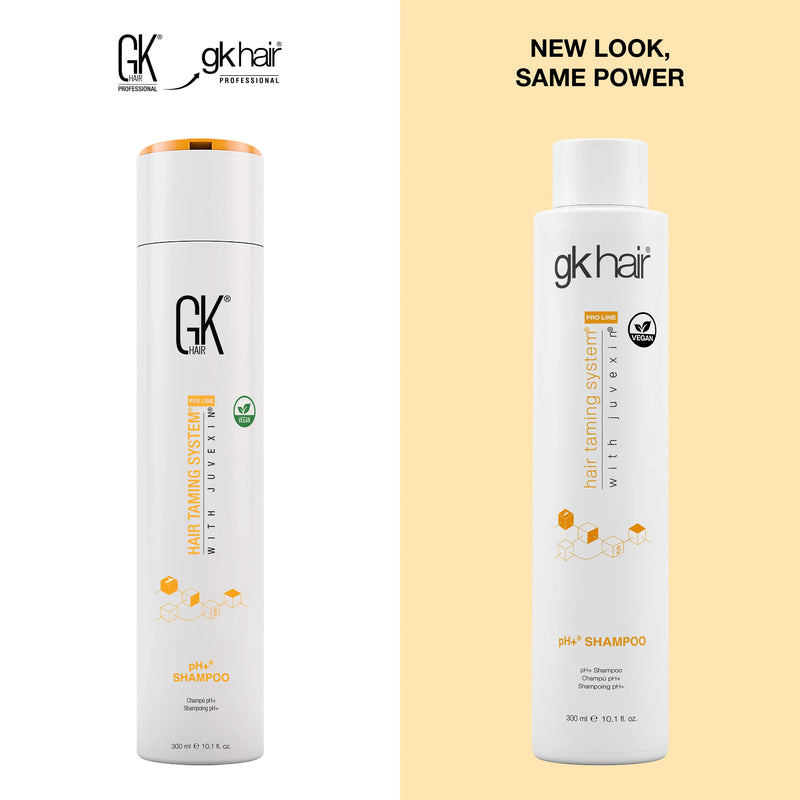
- Wet your hair first, then squeeze out about a dime-sized amount of GK Hair pH+ Shampoo into your hand, lather up and gently massage it into your scalp and hair.
- Let it sit on your hair for several minutes if your hair has hard water buildup. This waiting period allows the shampoo to penetrate the hair shaft and loosen heavy metals and mineral deposits.
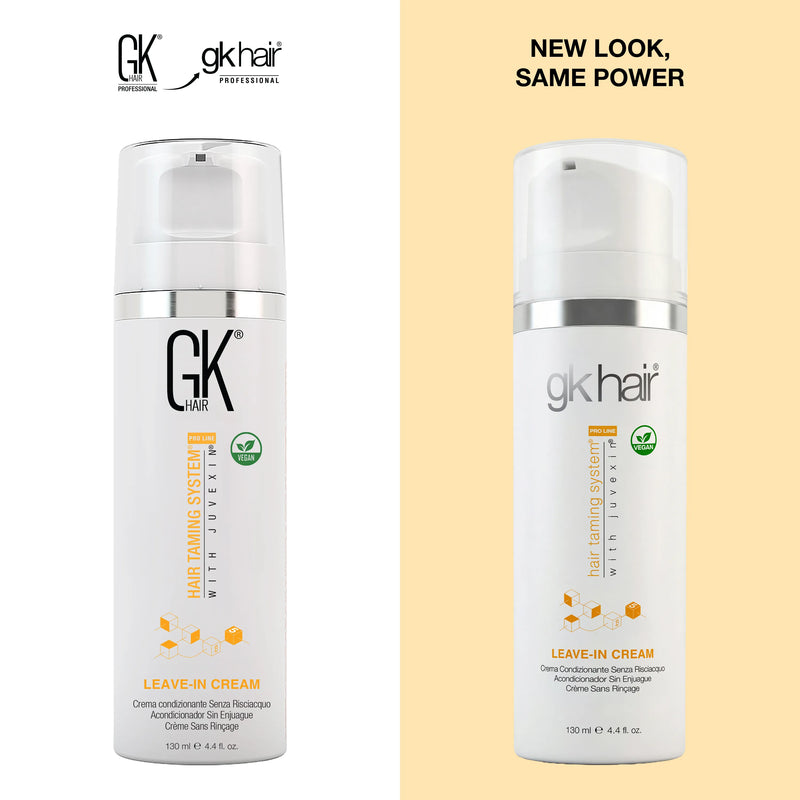
- Rinse your hair with warm water. Be sure to rinse long enough that you wash away all of the clarifying shampoo and buildup. Follow up once a week with our leave-in conditioner or hair mask to seal in moisture.
Clarifying shampoo needs time to work on the scalp to lift away what doesn’t belong. Massaging for a few minutes allows the formula to bind to the buildup so when you rinse it away, you’re taking the majority of the dirt with you. It’s also worth resisting the urge to double-shampoo unless the formula specifically calls for it.
Choosing the Best Clarifying Shampoo
When shopping across top clarifying shampoo brands for the best clarifying shampoo, consider your hair’s strength, chemical background, and current scalp health.
Professional vs. Drugstore
While a strong clarifying shampoo from a drugstore might lift surface oil, it often relies on harsh, unrefined industrial surfactants that strip essential natural moisture and leave hair brittle. A professional clarifying shampoo uses highly refined surfactants that cleanse effectively while keeping hair healthy.
Gentle vs. Strong
If you have fine, damaged hair or a sensitive scalp, you’ll want to opt for a gentle clarifying shampoo.
Sulfate-Free Options
Many modern hair routines demand a sulfate free clarifying shampoo. Sulfates are ingredients in shampoo that create big bubbles and lead to a deep clean feeling. While super-effective at cleansing hair, a sulfate-free shampoo can often do the same thing using gentler ingredients that won’t dry out your hair or irritate sensitive scalps.
What to Look for in a Clarifying Shampoo
Once you’re actually reading labels, a few specifics matter more than the marketing copy on the front of the bottle. Here’s what to check for:
- Chelating agents, specifically listed in the ingredients, not just “deep cleansing” language on the label
- Disodium EDTA, one of the most common and effective chelating agents
- A balanced pH formula that helps keep cuticles smooth during and after cleansing
- Moisturizing ingredients built into the formula to help combat the stripping effect, such as aloe vera and pro vitamins
- Protein support, particularly a keratin blend like Juvexin V2, for hair already showing signs of structural damage from prolonged hard water exposure
GK Hair’s pH+ Shampoo hits all of those. Disodium EDTA takes care of mineral deposits, aloe vera and pro vitamins ensure it doesn’t strip too far, and Juvexin, our signature keratin protein blend, reinforces and strengthens the hair.
Who Should Use Clarifying Shampoo?
Honestly, most people benefit from clarifying shampoo eventually, but a few groups get the most out of it:
- Regular users of heavy styling products, dry shampoo or leave-in treatments
- Swimmers who battle with chlorine buildup
- Residents of hard water areas
- Anyone prepping for or recovering from a chemical treatment such as color, perms, or keratin
- Hair that appears dull, flat or oily again just a day after washing
If more than one of these applies to you, that’s your cue to add a clarifying shampoo into your routine.
Our Clarifying Shampoo Recommendation: GK Hair pH+ Shampoo
Clarifying shampoo helps if you use a lot of styling products, heavy oils, or leave-in treatments, swim often, or live somewhere with hard water. Our pH+ Shampoo is formulated with all of these things in mind. It’s a powerhouse for clearing away buildup, oil, and mineral deposits, but unlike many other clarifying shampoos, it won’t compromise your keratin treatments. This shampoo was engineered to provide a deep cleanse without compromising your treatment’s results.

What makes it different comes down to what’s in the formula alongside the cleansing agents. It contains Juvexin V2, our proprietary blend of keratin proteins, along with aloe vera and pro-vitamins. So while that formula lifts away buildup, it also works to protect and strengthen the hair fiber instead of leaving it parched and brittle.
Whether you’re prepping your hair for a treatment, wanting to reset a few weeks after getting a keratin treatment, or you just find yourself dealing with styling product and hard water buildup often, GK Hair pH+ Shampoo is the best pick. Stylists tend to reach for it as a pre-treatment step too, since starting on clean hair helps a smoothing service bond more evenly across the whole head rather than unevenly where residue happens to be thickest. It’s a habit backed by real trust in the industry: GK Hair is used in salons across more than 75 countries, largely because formulas like this one do the deep-cleaning job without compromising everything else in the routine.
If your hair feels flat, heavy or just not itself lately, that’s a sign it could use this shampoo. Get GK Hair pH+ Shampoo and give your hair the reset it’s been asking for.
What to Avoid With Clarifying Shampoo
- Using clarifying shampoo more than once or twice a week
- Not applying conditioner after washing
- Clarifying right before a color service
- Skipping the conversation with your stylist if you plan on clarifying before coloring your hair
- Assuming a sensitive scalp rules it out, since a sulfate-free shampoo still clears buildup effectively with less stripping
It’s also worth knowing the difference between detox vs. clarifying shampoo and chelating vs. clarifying shampoo, since the three get used interchangeably but aren’t quite the same thing. If you’d rather skip store-bought formulas altogether, some people opt for a DIY clarifying shampoo, though results tend to be far less consistent than a formulated product.
Frequently Asked Questions
Does clarifying shampoo help with dandruff?
Clarifying shampoo will remove buildup, but will not cure dandruff. Dandruff flakes stem from either a dry scalp or inflammation caused by a skin condition. Clarifying shampoo will loosen the buildup of dead skin cells that is happening on top of your dry or flaky scalp. If you are struggling with dandruff as well as buildup it can help with the flakes, but will not cure your irritated scalp.
Is clarifying shampoo good for oily hair?
Yes, a clarifying shampoo is one of the best options for oily hair. Oil buildup in your hair isn’t always from your natural scalp oils; sometimes it’s hairspray, conditioner, or other products building up and preventing new oils from being washed away.
How often should I use clarifying shampoo?
Once every two to three weeks is the general rule. Any more often and you risk stripping the natural oils your scalp needs, which leaves hair dry and prone to frizz. If you use a lot of styling products or live somewhere with hard water, you might lean toward the more frequent end. Our guide on how often to use clarifying shampoo breaks it down by hair type.
Is a cleansing shampoo the same as a clarifying shampoo?
Not quite. “Cleansing shampoo” is often used as marketing language for a slightly stronger daily shampoo, while clarifying shampoo is built specifically to remove buildup and is meant for occasional use.
Can I use clarifying shampoo on color-treated hair?
Yes, but use it sparingly. Clarifying shampoo is great at removing buildup, as well as excess pigment. Using it too often can fade your hair color quicker than you’d like. It’s best to follow up with a color-safe conditioner to lock things back in.
Who should use clarifying shampoo?
Anyone who uses a lot of styling products, swims often, lives in a hard water area, or is prepping for a chemical treatment like color or keratin services will benefit most. It’s also worth reaching for if your hair regularly feels flat, dull, or greasy again just a day after washing.
What is the best clarifying shampoo?
The best clarifying shampoo depends on your hair’s needs, but look for one that contains chelating agents like Disodium EDTA, has a balanced pH level, and is packed with moisturizing ingredients that offset the stripping effect. GK Hair pH+ Shampoo checks all three boxes and includes Juvexin V2 to help protect the hair fiber during and after clarifying, which also makes it safe to use around keratin treatments.


Leave a Comment