


Silky, sleek strands go limp after hours or days. A dollop of more product won't help. When it comes to your thin straight hair, true volume is something that gets cut into your hair, not sprayed on top of it. The right haircuts for thin straight hair change the way light hits your hair and how your hair moves around your face, so you won't need to keep touching it up to find fullness.
If you have thin, straight hair, choosing the right haircut can make a significant difference in achieving a fuller, more voluminous look. The right style can add texture, body, and movement to your hair, making it appear thicker and more vibrant. In this guide, we’ll explore the best haircuts for thin, straight hair and provide tips for maintaining and enhancing your chosen style.
Why Thin Straight Hair Needs the Right Haircut
Your straight strands lie flat and reflect light on a single plane. Without any dimension or natural curl pattern to bend light another way, thin hair is why a bad haircut is more obvious on this texture than on others, like wavy or thick hair. Too much or too little weight on certain areas of your hair can make your thin strands look nonexistent.
Is Fine Hair the Same as Thin Hair?
No, fine hair and thin hair are two different hair traits. They're so commonly confused that most people think they're one and the same. But they're not. Fine hair is the diameter of each strand, and thin hair is the number of individual strands you have per square inch on your scalp. Your hair can be fine and thick or thick and thin because the traits don't affect each other.
Many people who search for haircuts for fine straight hair have a combination of both hair types. Knowing which one applies to you will help before you get your next haircut.
Why Straight Hair Loses Volume Faster
Straight strands have less internal texture, so there's less room for trapped air at the root. After being washed, oil and gravity will pull your hair flat within hours. Hair density and the thickness of each strand are determined mostly by genetics, per the Cleveland Clinic.
That means that if you have thin hair by nature, your styling and cutting choices will do more heavy lifting than products alone.
That's why GK Hair's education team, which specializes in training stylists on fine hair and straight textures specifically, recommends taking care of the cut before the product. The right haircuts for thin straight hair will outperform any product you apply after washing.
You can add a temporary lift at the root with a volumizing perm, but this works with your current cut rather than replacing the need for a good one. So, consider pairing it with these haircuts below rather than substituting it for them.
16 Best Haircuts for Thin Straight Hair
Weight takes up volume, so a great haircut for thin hair to look thicker is all about subtracting weight where you don't want it, rather than trying to maintain length across the board. Each cut on this list uses that philosophy as a base, and many of them double as some of the best volumizing haircuts for thin hair you can ask your stylist to create.
1. Blunt Cut
-
Description: A blunt cut features straight, even ends with no layering. This style provides a clean, sleek appearance and can make thin hair look denser.
-
Why It Works: The uniform length adds weight at the ends, helping to create the illusion of thicker hair.
- Maintenance Tip: Regular trims are essential to keep the ends looking sharp and prevent split ends.

2. Layered Lob
-
Description: A lob lands anywhere between your shoulder line and just below it, with soft layers cut throughout for movement.
-
Why It Works: Longer, softer layers add movement without the short, choppy cutting that thins out your ends, making it one of the better layered haircuts for thin hair.
-
Maintenance Tip: Trim every 8 to 10 weeks and ask your stylist to keep layers long and blended rather than short and choppy.

3. Textured Lob (Long Bob)
-
Description: The textured lob is a longer version of the bob with added layers and texture. It falls just above the shoulders and can be styled in various ways.
-
Why It Works: The added texture and layers give the illusion of thicker hair and allow for versatile styling options.
- Maintenance Tip: Incorporate a texturizing spray like GK Hair Dry Shampoo to enhance texture and volume.

4. Long Layers With Face-Framing
-
Description: Long layers involve cutting various sections of hair at different lengths. This technique adds movement and dimension without sacrificing length.
-
Why It Works: Layers add volume and reduce the appearance of thinness by creating a sense of movement.
- Maintenance Tip: Use GK Hair VolumizHer to boost body and fullness.
Curtain bangs can also be added to most of the other haircuts on this list if you want some of that front-focused volume but aren't ready for an entire length change.

5. Choppy Pixie Cut
-
Description: A choppy pixie cut includes short layers with textured ends, creating a playful and modern look.
-
Why It Works: The choppy layers add volume and movement to thin hair, giving it a fuller appearance.
- Maintenance Tip: Apply a lightweight styling cream like GK Hair Styling Wax to define texture and control flyaways.
Building texture at this shorter length creates the appearance of thickness that you simply can't fake with longer hair. If you aren't ready to go that short, you can always build up texture in fine hair between visits.

6. A-Line Bob
-
Description: The A-line bob features shorter layers in the back that gradually lengthen towards the front. This haircut creates a flattering angle and adds dimension.
-
Why It Works: The angled shape adds volume and movement, making thin hair appear fuller and more dynamic.
- Maintenance Tip: Use a light-hold styling mousse to maintain the shape and add volume.

7. Feathered Cut
-
Description: A feathered cut involves cutting hair in a way that creates a light, airy texture. It often includes long layers and feathered ends.
- Why It Works: The feathered layers add texture and movement, giving thin hair a fuller appearance.
-
Maintenance Tip: Trim every 8 to 10 weeks and ask your stylist to keep the feathering soft rather than choppy.
Beyond the original seven, a few more haircuts for thin straight hair are worth considering if you're open to something bolder, choppier, or shorter.

8. Wolf Cut
-
Description: A wolf cut combines a short, layered crown with longer, shaggier layers through the rest of your hair, borrowed from '70s shag cuts.
-
Why It Works: Cutting the crown shorter adds volume right at the root, exactly where thin hair tends to fall flattest.
-
Maintenance Tip: Trim every 8 weeks and ask your stylist to keep the crown layers short enough that they don't blend into the rest of your length.

9. Shag Cut
-
Description: A shag relies on heavily choppy, disconnected layers cut throughout your hair instead of soft, blended ones.
-
Why It Works: The intentional choppiness removes bulk without removing density, so hair reads as textured instead of thin.
-
Maintenance Tip: Ask for layers no higher than your cheekbones and trim every 8 weeks to keep the shape from softening into one length.

10. Bixie
-
Description: A bixie blends a pixie's short sides with a bob's slightly longer, rounded crown.
-
Why It Works: The rounded, longer crown adds volume at the root while the short sides keep the whole look light.
-
Maintenance Tip: Trim every 4 to 5 weeks; bixies grow out of shape faster than almost any other cut on this list.

11. French Bob
-
Description: A French bob is a short, blunt cut that typically lands at the chin, often paired with soft curtain bangs.
-
Why It Works: The extra-short length leaves very little hair for gravity and weight to pull flat.
-
Maintenance Tip: Trim every 4 to 6 weeks to keep the blunt shape from growing into an in-between length.

12. Jawline Bob
-
Description: A jaw-length bob is a slightly longer take on the French bob, landing right at the jawline with a mostly blunt perimeter.
-
Why It Works: The shorter length adds density at the ends while leaving just enough hair to tuck behind an ear or add a side part.
-
Maintenance Tip: Trim every 6 weeks; this length grows out of shape faster than longer bobs.

13. Curtain Bangs
-
Description: Curtain bangs are parted in the middle and frame the face, paired with long layers throughout the hair.
- Why It Works: The combination of curtain bangs and layers adds volume around the face and creates a fuller look.
-
Maintenance Tip: Trim every 3 to 4 weeks to keep the shape from growing into your eyes or losing its part.

14. Wispy Bangs
-
Description: Wispy bangs are thin, piecey bangs cut with a razor or point-cutting technique so they sit lightly across your forehead.
-
Why It Works: Because they're intentionally light, wispy bangs don't add extra weight to a hairline that's already working hard to look full.
-
Maintenance Tip: Trim every 2 to 3 weeks, since bangs grow out faster than the rest of your hair.

15. V-Cut Layers
-
Description: A V-cut trims your ends into a deep V shape at the back, with layers built up toward the shorter sides.
-
Why It Works: The angled ends create a defined point instead of a flat, straight-across line, which reads as more shape and less bulk.
-
Maintenance Tip: Trim every 10 to 12 weeks; the deep angle grows out more gracefully than a blunt cut does.

16. Swoop Bangs
-
Description: The textured lob is a longer version of the bob with added layers and texture. It falls just above the shoulders and can be styled in various ways.
-
Why It Works: The added texture and layers give the illusion of thicker hair and allow for versatile styling options.
- Maintenance Tip: Incorporate a texturizing spray like GK Hair Dry Shampoo to enhance texture and volume.

How to Add Volume With the Right Cut
Layers are just one piece of the puzzle. How that weight is distributed during that cut, particularly with layers, will determine if your hair keeps its shape all day long or weighs flat by lunchtime.
Are Layers Good for Thin Straight Hair?
Yes, thin straight hair benefits from layers, probably one of the most useful techniques we have for thin hair. The secret to getting volume with layers for thin hair is taking weight out strategically. Some pieces of your hair will be shorter than others, creating a sense of movement and momentum that equals body.
Too often, stylists remove too much weight, and your hair ends up looking wispy. As much as where you get layers is important, how you get them is also important. Stylists will often follow these guidelines when layering thin hair:
-
Keep layers no higher than your cheekbones. This ensures that your shortest layers have enough weight behind them to fall down, versus standing up.
-
Try to keep your perimeter heavier than your interior layers. A heavier perimeter creates the illusion of thickness when you look at your hair from a distance.
-
Don't get any face-framing layers that fall above your chin unless you want a choppy-style "shag." One of the defining features of a shag cut is that it doesn't feather out; it removes bulk with choppy layers.
-
Request "invisible layers" by asking your stylist to cut your hair at a lower angle to avoid any choppy layers.
Length-wise, hair that sits anywhere between the collarbone and shoulders tends to look the fullest. Any shorter and your hair may not have enough weight to create volume. Any longer and you'll fight gravity before you can enjoy your layers. Learn how to blow-dry layered hair in the next section.
Choosing the Right Haircut by Hair Length
The length makes a difference in the math of each of these cuts. So the best haircuts for thin straight hair when it's cut at shoulder length may not work as well when you go shorter or longer.
|
Hair Length |
Best Haircuts |
Volume Payoff |
Upkeep |
|
Short |
Textured pixie, bixie, French bob, jaw-length bob |
Highest, since there's the least weight pulling hair flat |
Trim every 4-6 weeks to keep texture from growing out |
|
Medium |
Blunt bob, layered lob, shoulder-length layers, A-line bob, wolf cut |
Strong, with more styling flexibility than short cuts |
Trim every 6-10 weeks depending on the cut |
|
Long |
Long layers with face-framing, feathered layers, shag cut, V-cut layers |
Moderate, layers do most of the work here |
Trim every 8-12 weeks, plus regular deep conditioning |
Is Short or Long Hair Better for Thin Straight Hair?
Shortcuts will almost always win out when it comes to sheer volume, as there's less length to weigh down from gravity. Medium-length hairstyles for thin hair tend to win the best bang-for-your-time ratio in real life, though, allowing you to enjoy many of the benefits of a short cut without sacrificing styling options.
Long hair isn't off the table, though; it'll just require regular layered cuts to prevent your hair from appearing stringy. Maintaining long layered hair is a much bigger time investment than most people realize. If you're committed to keeping length, be sure you pick out some haircuts for long, thin hair that focus layers on the top third of your hair rather than from scalp to ends.
Of all the short hairstyles for thin hair on this list, the textured pixie and choppy crop offer the biggest transformation when it comes to volume.
4 Tips for Enhancing Thin, Straight Hair
1. Use Volumizing Products
- Product Recommendation: Incorporate GK Hair VolumizHer and GK Hair Conditioner into your hair care routine to boost body and fullness.
2. Avoid Heavy Products
- Avoid heavy, greasy products that can weigh down thin hair. Opt for lightweight styling products to keep your hair looking full and fresh.
3. Experiment with Styles
- Experiment with different styles and hair accessories to find what works best for your hair type. Sometimes a simple change in styling can make a big difference.
4. Healthy Hair Habits
- Maintain healthy hair habits, such as regular trims, a balanced diet, and proper hydration, to support the overall health and appearance of your hair.
Styling Tips to Make Thin Straight Hair Look Fuller
Knowing how to style thin hair is almost equally as important as the cut itself. After all, the same style can look way fuller or extremely flat depending on how you style it.
How Do You Style Thin Straight Hair to Make It Look Thicker?
The quickest method is to dry your hair upside-down from the root and then set the hair's direction with a round brush while it's mostly dry. You can couple that with these three pro tips: use a volumizing spray on damp roots, and part your hair in a zig-zag instead of straight down the middle.
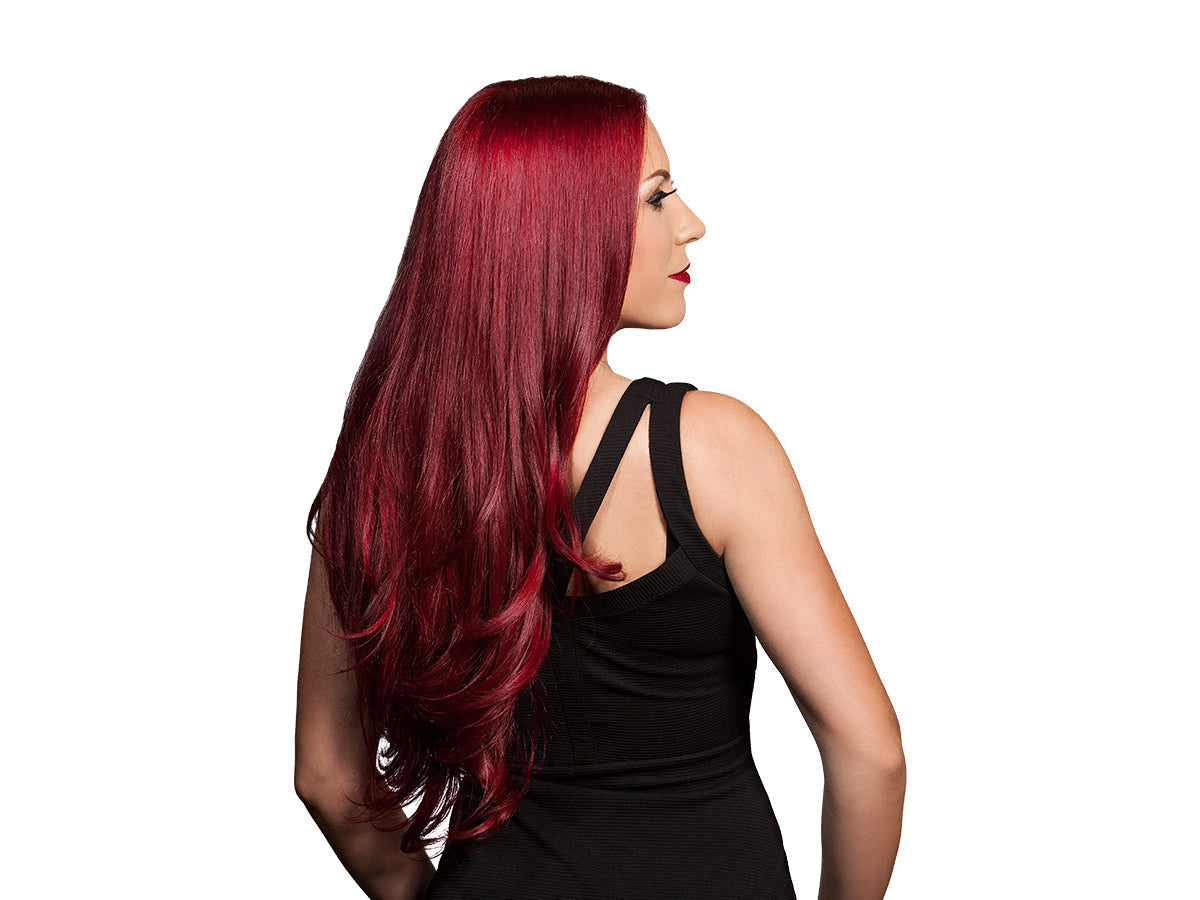
The blow-dry technique that includes lifting your hair at the roots is one of the best ways to combat flat hair at home. Another trick is to style your hair with a zig-zag part.
Here are some more tips you'll definitely want to try.
-
Blow-dry your hair upside-down in sections, lifting at the roots with a round brush.
-
Change your hair part every couple of washes. When you part your hair in the same place every day, your hair follicles begin to lie flatter against that line over time.
-
Spray on volumizing products to towel-dried roots, focusing on the crown, not on the mid-lengths and ends.
-
Use a lower heat setting than you think you need to. Too much heat will smooth your straight, thin strands into an even flatter finish.
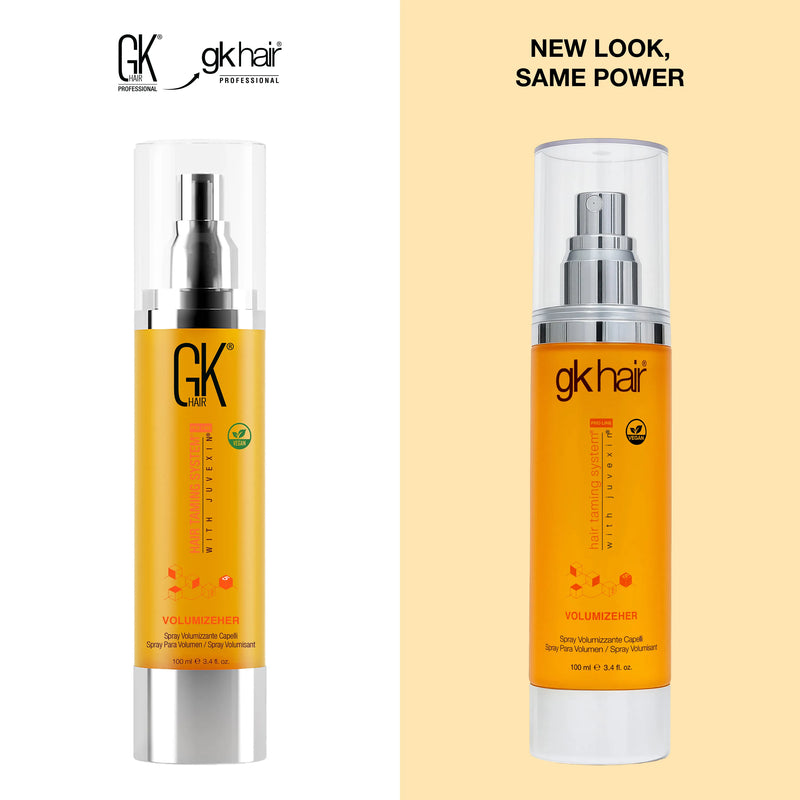
GK Hair VolumizeHer Spray is definitely a product to incorporate into your wash routine. Best for: fine and thin hair that needs some lift without stiffness or residue. Spray on after shampooing and conditioning while the roots are still wet before blow-drying.

Follow up with a spritz at the crown on day two if you notice your hair flattening out as the day wears on. GK Hair's formula uses their proprietary blend of Juvexin proteins (sold to stylists worldwide in 75+ countries) to help strengthen strands against heat and daily damage rather than just coating them.
That means you can achieve lift without worrying about crunch. If you want more lift, consider picking up a volumizing spray to use before your next wash day.
Stylist's Corner: When blow-drying for volume, clip up the top section of your hair and dry the underneath layers completely first before clipping it down. We do this because the layers underneath tend to dry flat and become invisible if the rest of your hair is on top, drying.
As much product as you put on the top hair will not matter if this step is skipped. Use a boar-bristle round brush when drying your hair for volume. It will hold onto fine hair better than a paddle brush and won't pull so much that the roots flip back down when cooled.
Haircuts to Avoid if You Have Thin Straight Hair
Not all cuts cut it with wispy straight lines either. There are several staple styles that fight against volume regardless of how strong your hair regimen may be behind them.
What Hairstyles Make Thin Straight Hair Look Thinner?
Over-thinned layers made with thinning shears or a razor held at too sharp an angle are by far the number one way a haircut can ruin fine, straight hair. Here are some other cuts and styling choices that defeat thin straight hair rather than work with it:
-
Lengths that go past the middle of your back without any layers. All day, only gravity is working on those lengths, and gravity always wins.
-
Heavy blunt cuts with no inside layers. These tend to droop down like a flat curtain instead of stylish hair.
-
Thinning shears are used anywhere near the hair's ends. They remove the exact weight that created the appearance of density.
-
Center parts in hair that's already on the finer side. When you have less hair, your scalp shows more with a center part than a side or zigzag.
If your stylist pulls out thinning shears when working on already thin hair, don't be afraid to ask them to put those shears down and explain their plan to you. The majority of haircuts for thin straight hair fail because of over-thinning rather than poor initial shape.
Maintaining Volume Between Haircuts
Haircuts never hold their style forever. Volume disappears as ends split, and layers fall out of place. This is also exactly when limp, straight hair looks flat again. There are some habits to adopt between cuts that will keep your hair looking more day-one than day-sixty.
How Often Should You Cut Thin Straight Hair?
Six to eight weeks out is what most stylists will tell you when it comes to maintaining thin straight hair. Cut your appointments shorter than you would for other textures because split ends weigh down hair faster and flatten the overall shape much faster on fine hair than they do thick hair. So being proactive about damage is more important than maintaining length.
The things you do to your hair every day have more effect on volume than some might think. Avoid heavier conditioners at the roots, always rinse your hair so that you know there's no residual product left sitting on your scalp, and reserve the heaviest products for the ends of your hair only. Styles that pull tightly at the hairline, like ponytails, buns, and clips worn in the same place daily, can cause thinning along your hairline more quickly than the rest of your head.
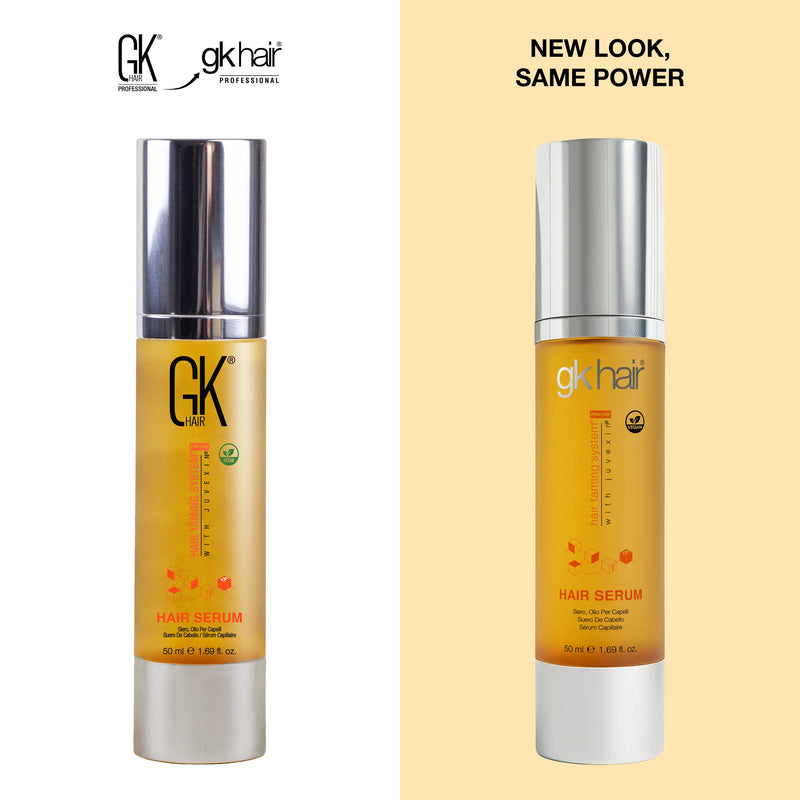
For leave-in products that won't undo your hairstyle, try the Argan Oil Serum. Best for: adding shine and manageability to fine or thinning hair without leaving any weight behind.

Warm one or two drops in your hands, then apply it to the mid-lengths through the ends of your hair only, on damp or dry hair. Repeat with another drop at the ends if they start to look dry by day's end. The key to keeping this serum from sabotaging your freshly cut hairstyle is keeping it away from your roots.
Finding the Best Haircut for Your Face Shape
A haircut should fit your face shape as well as suit your hair type. The wrong length placed incorrectly can sabotage even the most beautifully layered cut. Quick reference guide to the most common face shapes:
|
Face Shape |
Best-Suited Cuts From This List |
|
Oval |
Nearly all 16 work well; blunt bob, A-line bob, and wolf cut especially |
|
Round |
Long layers with face-framing, feathered layers, V-cut layers, to add length and angles |
|
Square |
Layered lob, shoulder-length layers, curtain bangs, to soften a strong jawline |
|
Heart |
Chin-length blunt bob, textured pixie, jaw-length bob, to balance a narrower jaw |
Which Haircut for Thin Straight Hair Suits Every Face Shape?
There is no single length that flatters every face shape. That's why this list has haircuts in three lengths. Everyone with an oval face shape can pull off almost all hairstyles for straight hair from this list. Round or square faces are more limited, and will find the tips for length and angle listed above more useful.
Frequently Asked Questions
Is thin hair the same as fine hair?
No, thin hair and fine hair are not the same thing. Thin hair refers to the quantity of strands on your scalp. Fine hair refers to the diameter of each strand. You could have thin, coarse hair or dense hair that's fine. That's why there are solutions for both, despite the language we tend to use around them being intertwined.
What haircut makes thin straight hair look thicker?
Blunt cuts, layered lobes, and short, textured pixies make thin straight hair look its thickest. Each style slices and distributes weight in a way that doesn't allow hair to thin out at the ends. The theme amongst all three: purposeful, not overdone layering, and a cut that works with your hair's natural fall.
What hairstyles make thin straight hair look thinner?
Hair that lands past the shoulders in one length and any cut style finished with thinning shears at the bottom will make thin straight hair look thinner, not thicker. They both take away the weight and density that were originally contributing so much-needed fullness.
How often should you cut thin straight hair?
Every six to eight weeks. Thin, straight hair shows signs of split ends and weight loss around the perimeter quicker than other textures, so regular trims help maintain your hair's fuller appearance longer than skipping appointments will.
Which haircut for thin straight hair suits every face shape?
While there isn't one haircut that'll work with every face shape, oval faces have the widest range of cuts that will look great from this list. Round or square face shapes tend to benefit from elongation and added angles near the jawline. Heart-shaped faces will find more options that complement chin-length cuts with structure built in.
Conclusion
Choosing the right haircut for thin, straight hair can make a significant difference in achieving a fuller, more voluminous look. From blunt cuts and long layers to textured lobs and choppy pixie cuts, there are various styles that can enhance the appearance of thin hair. Complement your haircut with the right products and hair care practices to maintain volume and health.
For more tips and product recommendations, explore the GK Hair blog and discover our range of high-quality hair care products designed to support and enhance your hair's natural beauty.
Embrace these styles and tips to achieve the thicker, fuller hair you've always wanted!



I am 68 thin strait hair that got butchered last year, was out of state didn’t know about Super cuts. Please help. Have app Tuesday
Looking for shampoo and conditioner for fine thinning hair, short cut. Thanks
Leave a Comment