


The hair is never dried, weakened, and made unmanageable overnight; the damage is accumulated over time through day to day activities. This is the reason why a well-constructed hair care treatment regimen is crucial as opposed to depending on a single wonder product. To achieve hair recovery is to understand what your hair really needs at any given point in time.
What Really Is Treatment in Hair Care
A treatment is not just a mask that you wear on a weekly basis. True treatment is concerned with providing a remedy to the cause of hair problems, be it dehydration, structural weakness, scalp imbalance, or loss of protein.
Common causes of hair damage may include heat styling, chemical processing, excessive washing and environmental exposure. Over time, these elements destroy the hair shaft and interfere with the natural balance of the scalp.
Treatment should be effective at two different levels:
-
Repair, which restores strength and form
-
Rejuvenation, which helps hair retain moisture and flexibility
The two are essential for lasting outcomes.
Understanding the Various Forms of Hair Damage
The first thing to consider before selecting products is to determine what type of damage you are dealing with.
Moisture Loss
The hair is either dry, frizzy, or brittle, but not necessarily weak. This is usually caused by brutal shampoos, hot water, or environmental dryness.
Protein Loss
When wet, hair stretches too long; when dry, it snaps easily and becomes mushy. This may happen following chemical services or excessive exposure to heat.
Scalp Imbalance
Itchiness, tightness, or irritation at the roots and cracks in the scalp are typical symptoms indicating your scalp needs to be treated with a particular dry scalp treatment, especially where the symptoms become aggravated following washing.
A different treatment is required for each type, a fact that explains why a single-fit solution can hardly ever be effective.
Why Scalp Health Is the Key to Hair Recovery
The starting point of healthy hair is on the scalp. If the scalp is dry, swollen and unbalanced, the development of hair and its strength are compromised.
Adequate dry scalp treatment is aimed at replacing moisture in the skin, but without making the natural oils dry up or causing irritation. This usually means:
-
Gentle cleansing
-
Avoiding harsh sulfates
-
Supporting the scalp barrier
GK Hair’s moisture-focused shampoos are designed to cleanse while maintaining balance, making them suitable for people dealing with dryness or sensitivity at the roots.
Step 1: Begin Treatment at the Wash Stage
Shampoo is often overlooked in a treatment routine, but it plays a critical role. A cleanser that strips too much oil can undo all the benefits of conditioners and masks.
A treatment-supportive shampoo must:
-
Cleanse gently
-
Maintain moisture balance
-
Prepare hair for conditioning and repair
GK Hair Shampoos contain Juvexin V2, which is a plant-based protein derived from quinoa and pea, optimized to repair and strengthen hair from the inside out while aiding maintenance of the hair structure during the cleansing process.
Step Two: Conditioning for Recovery, Not Just Softness
Conditioner is an opportunity to reduce damage on a daily basis. When hair is well-conditioned, the cuticle lies flatter, moisture is retained in the strand and there is less friction during styling.
This is particularly essential to the process of building the best hair treatment for damaged hair routine because friction without treatment will cause its breakage with time.
Most conditioners that merge moisture with strengthening agents assist in making hair more flexible instead of hard or floppy.
Step Three: Weekly Treatments That Repair Internally
Deeper repair occurs via weekly treatment. A protein treatment for hair helps strengthen the weakened sections of the hair shaft. Protein should be used in moderation. Excess amounts will cause the hair to become hard and brittle and the lack of the same will cause the hair to be weak.
Signs of possible protein deficiency:
-
Hair snaps easily
-
Hair feels limp when wet
-
Styles don't hold
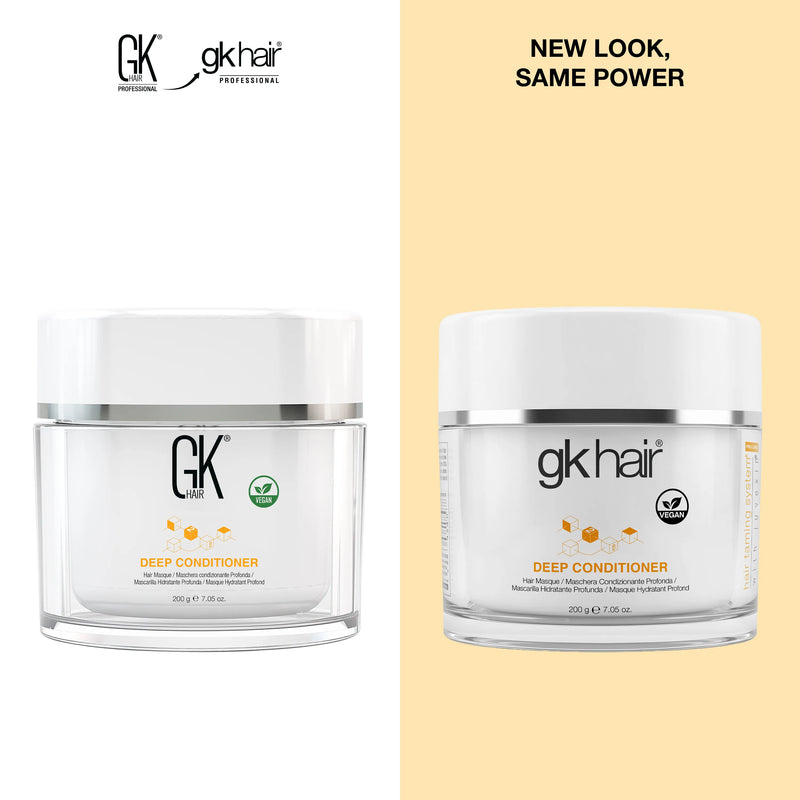
GK Hair’s Deep Conditioner Hair Treatment is fortified with jojoba seed oils that help with frizz and dryness while balancing protein and moisture without overwhelming fragile hair.

Step Four: Daily Protection With Leave-In Support
The hair still experiences stress in the post-washing stages. Brushing, sun exposure, pollution and styling all contribute to the ongoing damage.
Lightweight leave-in is a day-to-day buffer, which assists hair to:
-
Retain moisture
-
Resist environmental pressure.
-
Reduce breakage
Here, a specific protein treatment for hair, in the form of a leave-in, can be used to reinforce continuously without heaviness.
Want to learn more about ways to treat your damaged hair? Read more on: Hair Treatment for Damaged Hair: Repair Solutions That Work Fast.
The Frequency of Use of Treatment Products
Repair is not about intensity; it is about continuity.
General guidelines:
-
Treatment-supportive shampoo: every wash
-
Conditioner: every wash
-
Deep treatment: once weekly (twice if severely damaged)
-
Leave-in repair: daily or as needed
When overtreated, the hair is weighed down; when undertreated, the damage will continue to accumulate.
Common Mistakes That Stagnate Hair Recovery
-
Using excessive protein-rich products
-
Skipping conditioner
-
Using treatments on dirty hair
-
Expecting instant results
-
Changing routines too frequently
The most sophisticated hair care treatment requires time to give results.
How to Know Your Routine Is Working
Signs of progress include:
-
Hair feels more flexible
-
Reduced breakage during brushing
-
Better shine without greasiness
-
Hair holds styles better
-
Moisture also lasts longer between washes
Repair happens gradually. Progress is measured in weeks, not days.
Final Thoughts
Hair recovery does not mean doing everything, but consistently doing the right things. An effective hair care treatment that takes into consideration scalp health, moisture levels and structural restoration creates the foundation of healthier and stronger hair. With time, damaged hair could be restored to strength, softness, and manageability through reflective practices and professionally devised systems such as those offered by GK Hair.


Leave a Comment