


Are you considering adding a touch of vibrancy and dimension to your hair? Look no further! In this comprehensive blog, we'll delve into hair highlights, equipping you with the knowledge and insights you need to make informed decisions. From understanding different highlighting techniques to exploring a wide range of color choices, we'll guide you through the entire process. Whether you're a newcomer to highlights or seeking fresh inspiration, this guide will empower you to achieve stunning results and maintain your highlighted hair with confidence. Get ready to unlock the secrets of beautiful, illuminated locks!
How Hair Highlights Actually Work
Understanding the mechanism clarifies every decision that follows. A highlight is created with a lightener, typically hydrogen peroxide in an alkaline base, that penetrates the hair cuticle, enters the cortex, and oxidizes the natural pigment, removing color from the strand. Because the lightener works through your existing pigment, the starting shade matters a great deal. Lighter bases lift quickly and cleanly, while darker bases must pass through their underlying warmth, the red and orange tones that sit beneath brown hair, on the way to a lighter result.
This single fact explains two things people often find surprising. First, taking dark hair substantially lighter can require more than one session, because responsible lifting protects the integrity of the strand. Second, freshly lightened sections frequently reveal a warm or brassy cast, which is the exposed underlying pigment rather than a mistake. A toner, applied afterward, neutralizes that warmth by depositing the opposite tone, and it is the reason highlighted hair looks polished rather than raw.
The Main Types of Highlighting Techniques
The technique determines placement, contrast, and how the color grows out. Four approaches account for most results.
Foil highlights involve weaving out sections, applying lightener, and wrapping each in foil for controlled, precise lift. This method achieves the lightest, most uniform result and offers the most control. Best for: defined, brighter highlights and significant lightening.
Balayage is a freehand technique in which color is painted onto the surface of the hair. It produces a soft, sun-kissed, graduated effect with no hard line as it grows out. Best for: natural-looking dimension and low-maintenance regrowth.
Babylights are very fine highlights placed close together to mimic the delicate, natural lightness seen in children's hair. They create subtle brightness rather than obvious contrast. Best for: soft, believable luminosity, especially around the face.
Ombre and sombre create a graduated transition from a darker root to lighter ends. Ombre is the bolder version; sombre is its softer, more blended counterpart. Best for: a gradient effect concentrated through the mid-lengths and ends.
Highlights and Lowlights: Why You Often Need Both
Highlights and lowlights are complementary, and understanding the pairing is what separates flat color from genuine dimension. Highlights lighten strands; lowlights do the opposite, depositing strands a few shades darker than the base to restore depth and contrast. Hair that has been highlighted heavily can begin to look one-dimensional or washed out, and a few well-placed lowlights re-establish richness and make the lighter pieces read as intentional.
The most dimensional results generally use both: highlights for brightness and movement, lowlights for depth and contrast. This combination is also the foundation of bronde, discussed below. Best for: anyone whose highlights have become uniformly light, or who wants depth alongside brightness from the outset.
Highlights for Brown Hair
Brown hair is an especially good canvas for highlights, because the contrast between a brown base and lighter strands reads clearly and adds visible dimension. The key is selecting a highlight shade only a few levels lighter than the base, which keeps the result harmonious rather than stark.
For a soft effect, caramel, honey, and golden tones complement warm brown beautifully. For cooler brown bases, beige and ash-toned highlights maintain a more sophisticated, less golden finish. Partial highlights on brown hair, concentrated at the crown and around the face, are a popular and economical choice, delivering brightness where light naturally hits without the commitment of a full head. Medium length brown hair with blonde highlights is among the most requested looks for good reason: at that length, the contrast and movement of lighter ribbons are highly visible, and the upkeep remains manageable. Best for: adding dimension and brightness to a brown base with controllable maintenance.
Blonde Highlights
Blonde highlights remain the most popular highlight choice, and they are versatile across both brown and already-blonde bases. On brown hair, blonde highlights introduce contrast and a brightening, face-framing effect. On blonde hair, they add depth and dimension that single-process color cannot, preventing a flat, uniform appearance.
The correct blonde depends on your base and undertone. Warmer complexions are flattered by golden and honey blondes, while cooler complexions suit beige, ash, and cooler blonde tones. As with any lightening, a brown base will require more lift to reach a true blonde and benefits from toning to control the warmth that surfaces. Best for: brightness, contrast, and a luminous, dimensional finish on brown or blonde hair.

Bronde Hair: The Blend of Brown and Blonde
Bronde, a blend of brown and blonde, has become one of the most wearable color directions available, which its low keyword difficulty and rising interest both reflect. It is not a single shade but a balanced interplay of brown depth and blonde brightness, achieved precisely through the combination of highlights and lowlights, or through balayage that weaves both tones through the hair.
The appeal of bronde hair color is its versatility and its maintenance profile. Because it is a blend rather than a uniform lift, regrowth is far less obvious than with all-over blonde, and the dimension flatters a wide range of skin tones. It reads as natural, expensive, and seasonally adaptable, warmer in cooler months, brighter in summer. Best for: those who want noticeable dimension and brightness without the upkeep or commitment of full blonde.
Stylist's Corner: The most common error in highlighting is pursuing maximum lightness in a single appointment, particularly from a dark base. Lifting too aggressively compromises the strand and tends to produce uneven, brassy results that require correction. A staged approach, lightening gradually across sessions, protects the hair and yields a cleaner, more even blonde. Patience is not merely safer here; it produces the better result.
Partial Versus Full Highlights
The distinction is one of coverage and commitment. Partial highlights treat only a portion of the hair, typically the crown and the sections framing the face, where brightness is most visible. They involve less product, lower cost, and easier upkeep. Full highlights are distributed throughout the entire head, including the back and underneath, for uniform, all-over dimension and a more dramatic transformation.
The right choice depends on your goal. If you want a subtle lift and a brightening effect with minimal maintenance, partial highlights are sufficient and sensible. If you want a comprehensive change or substantially lighter hair overall, full highlights are warranted. Best for partial: subtle brightness and lower maintenance. Best for full: uniform dimension and a more significant change.
Maintaining Highlighted Hair
Highlighted hair has two ongoing needs: tone management and moisture. Both follow directly from how highlights are created.
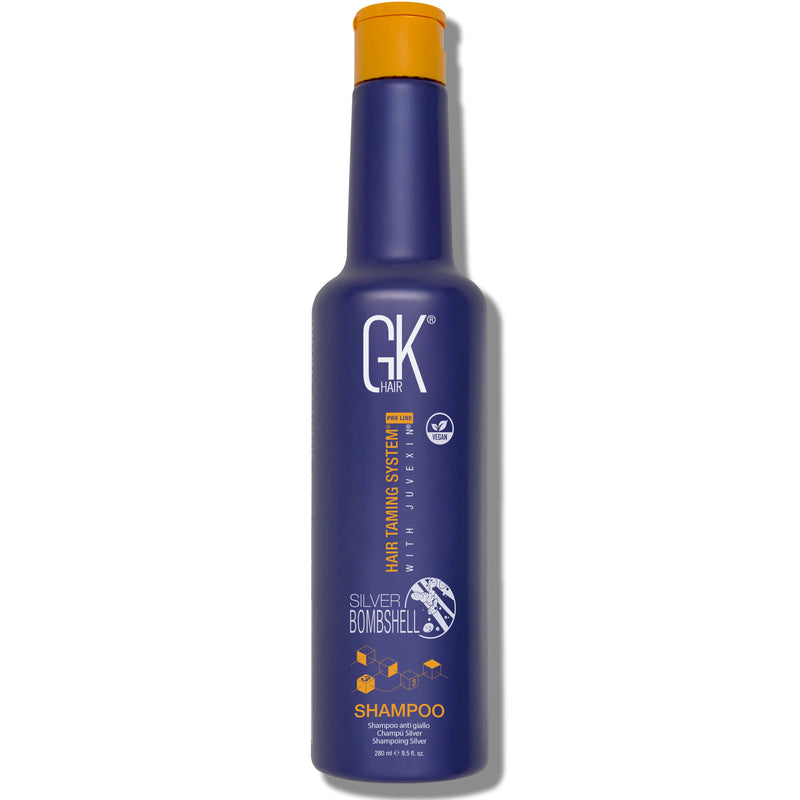
Because lightening exposes warm underlying pigment, highlights, especially blonde ones, gradually drift brassy. A violet-pigmented purple shampoo counteracts this by depositing the opposite tone. The GK Hair Silver Bombshell Shampoo is formulated for exactly this purpose, neutralizing yellow and orange tones to keep blonde and highlighted hair bright and cool between salon visits. A periodic professional gloss or toner serves the same function more comprehensively.

Lightening is also drying, because the process opens the cuticle. Washing with a sulfate-free, color-safe formula such as the GK Hair Moisturizing Shampoo and Conditioner preserves both color and moisture, and a weekly treatment with the GK Hair Deep Conditioner restores the hydration and smoothness that lightening depletes. Limiting heat, using thermal protection, and minimizing UV exposure further extend the life of the color. You can find the complete color-care range in the Color and Masque collection.

A Note on Color and Professional Application
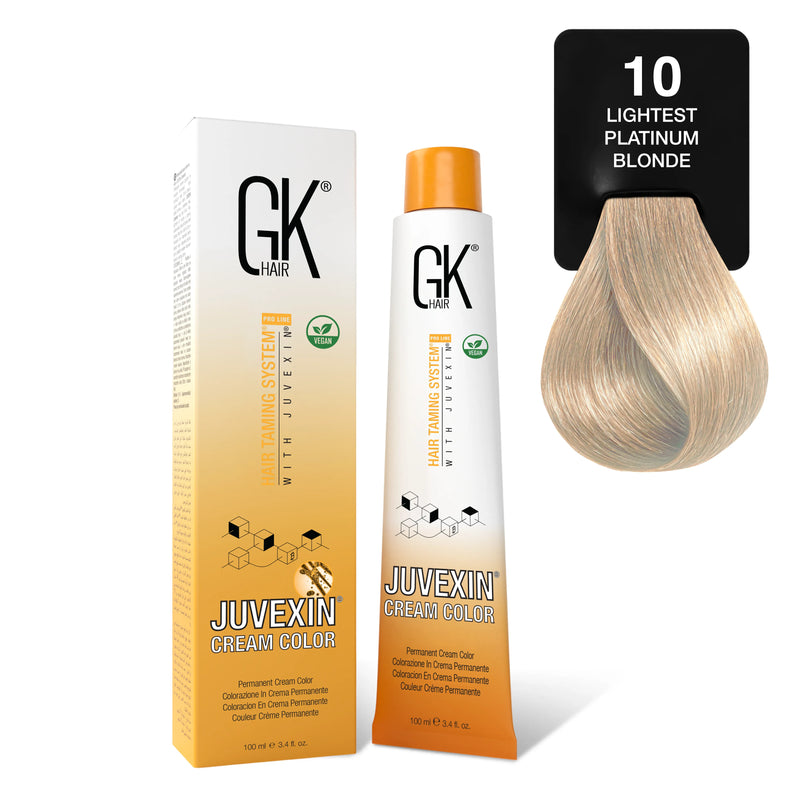
Highlighting involves chemical lightening, and for anything beyond the most minor refresh, it is best performed by a professional. A colorist assesses your base, your hair's condition, and your goal, then lifts and tones accordingly, which protects the integrity of the hair and produces a cleaner result. For the color itself, a professional formula matters: the GK Hair Juvexin Cream Color is a salon-grade line enriched with Juvexin V2 and ceramides that condition and help protect the hair during the coloring process, used with a developer by a stylist. Treat highlighting as a service to be done well rather than a shortcut, and the result will both look better and last longer.
Frequently Asked Questions
What is the difference between highlights and lowlights?
Highlights lighten selected strands a few shades beyond your base color, adding brightness and contrast. Lowlights do the reverse, depositing strands a few shades darker to add depth and richness. They are frequently used together, because the combination of lighter and darker pieces creates the most natural-looking dimension, whereas highlights alone can eventually appear flat or uniformly light.
What is bronde hair?
Bronde is a balanced blend of brown and blonde, positioned between the two rather than committing to either. It is created by weaving both lighter highlights and darker lowlights through the hair, or through balayage. Its appeal lies in soft, natural dimension and forgiving maintenance, since the blended regrowth is far less noticeable than the harder line left by all-over blonde.
What highlights are best for brown hair?
That depends on your undertone. Warm brown hair is flattered by caramel, honey, and golden highlights, while cooler brown is better served by beige and ash tones. Keeping the highlight within a few levels of your base produces a harmonious result. Partial highlights at the crown and face are a popular, lower-maintenance way to brighten brown hair.
Do highlights damage your hair?
Highlights involve chemical lightening, which opens the cuticle and can leave hair drier, so some impact is unavoidable. However, because only selected strands are treated rather than the whole head, highlights are generally gentler than all-over bleaching. Professional application, gradual lifting, and consistent moisture and tone maintenance keep highlighted hair healthy and looking its best.
How do I keep my highlights from turning brassy?
Brassiness is the warm underlying pigment surfacing as color fades. To counter it, use a violet-pigmented purple shampoo to neutralize yellow and orange tones between salon visits, and schedule a professional gloss or toner periodically. Washing with sulfate-free, color-safe products and limiting UV and heat exposure also slows the drift toward brass.
The Bottom Line
Hair highlights are the most flexible tool in color, capable of anything from the faintest babylight to a full bronde transformation, provided the choices are made with intention. Match the highlight to your base and undertone, combine highlights with lowlights when you want true dimension, choose partial or full coverage according to your goals, and maintain the result with toning and moisture. Approached this way, highlights deliver brightness and depth that look deliberate and last. Explore the full color-care range in the Color and Masque collection.


Leave a comment