


You can spend an hour getting your hair perfectly sleek and done, only to wake up with bent bangs, waves and a few stubborn flyaways. How to keep hair straight overnight starts with how you prepare, position and protect your hair before bed. Wrap it in satin and seal it with the right products and you'll skip the morning restyle.
The easiest way to keep straightened hair smooth overnight is to make sure it is completely dry, seal the ends with a lightweight serum, then wrap the hair around your head and secure it with a satin scarf. If wrapping isn't practical for you, a silk pillowcase with a loose low ponytail is a gentler alternative.
Method 1 - Prep: Straighten and seal before bed
Before you start thinking about scarves, bonnets or pillowcases, get the hair itself ready.
Make sure your hair is completely dry
Knowing how to sleep with straightened hair successfully starts with one single step: avoid going to bed with damp hair. If you've just washed, dry it completely before straightening. Water breaks the hydrogen bonds that hold a style in place, so any moisture left in your hair lets it shift shape overnight.
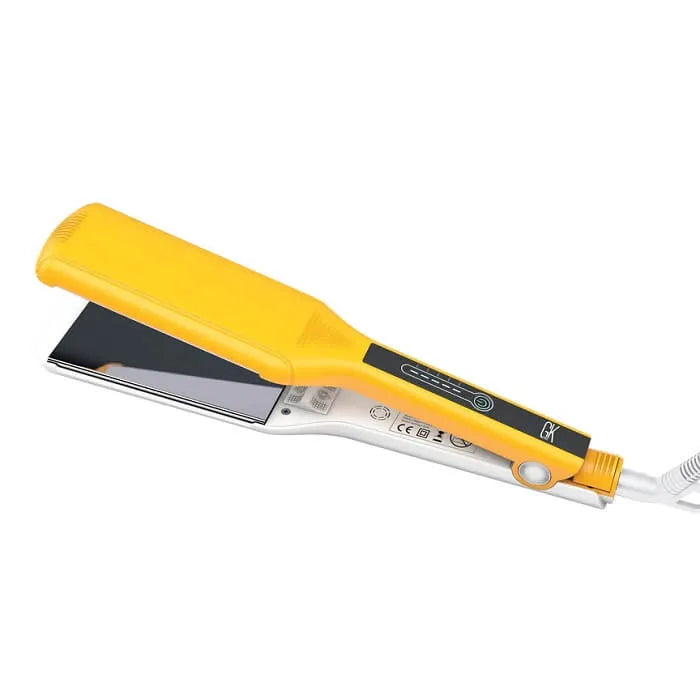
Once your hair is dry, straighten it in small sections, following your usual heat-protection routine. Avoid passing the flat iron over the same piece of hair repeatedly, so as not to overdo it, and keep the heat at the setting recommended for your hair type.
Let it cool
If you just heat-styled, give it a few minutes to cool from the warmth of the tools before securing it. As hair cools, new hydrogen bonds form and lock the straight shape in place. This cooling period is easy to overlook but it is how to keep hair straight after straightening.
Seal the finish with a lightweight serum
If you're worried about keeping straightened hair straight overnight, you're not the only one. How you finish matters as well. Don't use heavy oils and serums. A lightweight serum is usually easier to distribute through the lengths without making them greasy or flattening the roots. Use a small amount through the mid-lengths and ends, then brush through gently so the product distributes evenly across the hair.
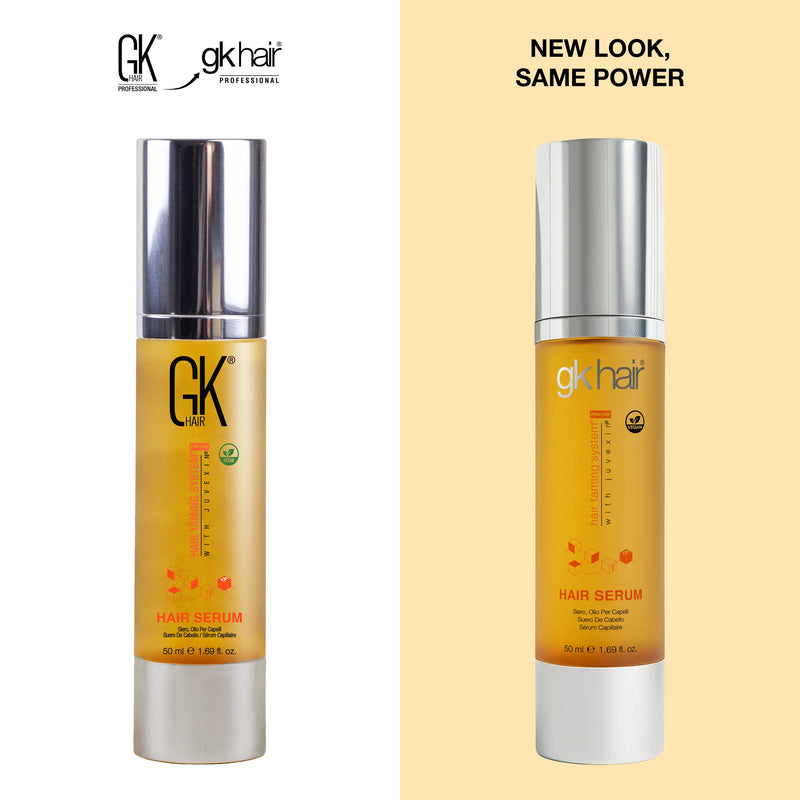
GK Hair's Argan Oil Serum suits this step. It's lightweight and contains Juvexin V2, our non-hydrolyzed, plant-based protein from quinoa and pea that penetrates the cortex and coats the cuticle. It's the same technology behind GK Hair's salon treatments, sold in 75+ countries.

Method 2 - How to wrap your hair to keep it straight overnight
For a reliable hair wrapping method for straight hair overnight, you can start with this simple method. Instead of leaving your hair loose against the pillow, you can gently guide it around your head so it stays in a stretched, straight position while you sleep. It works perfectly well for medium-to-long hair and doesn't require you to do a complicated hairstyle.
The wrap, step by step
-
Make a center part
Start with completely dry and straightened hair. Use a comb, preferably a tail comb, to create a clean part from your forehead to the nape of your neck. -
Brush one side around your head
Starting near the part, brush the hair across your head and around the back. You're trying to keep it flat against your scalp. Continue wrapping the lengths around your head rather than allowing them to fold or bunch up. -
Follow the curve
Take the remaining hair and continue brushing it around your head. Follow the same direction so as to keep the shape intact. Think of your head as the form you're wrapping the hair around. The flatter the hair lies, the fewer bends you'll create. -
Secure the ends gently
Use a few clips or pins where necessary to keep the wrapped sections in place. Don't pull the hair tightly; you're holding the shape, not creating tension. Ensure the clips are lightweight. -
Cover everything with satin
Once the hair is wrapped, place a satin scarf over your head and secure it comfortably overnight. The scarf helps keep the hair in position while creating a smoother surface between your hair and the pillow.
In the morning, remove the scarf gently and unwrap the hair in the opposite direction of how it was wrapped. Use your fingers or a soft brush to settle the lengths first rather than reaching for a flat iron immediately.

What to secure it with
Avoid thick elastic bands when wrapping your hair. They can leave dents on straight, sleek hair exactly where you're trying to prevent them. Flat clips, small pins or a soft fabric accessory are better choices because they hold the hair without creating any obvious crease.
This same principle applies to tying a scarf. It should be secure enough to stay on through the night but never so tight that it pulls around your hairline.
Stylist's Corner
The type of comb you use can make this method much easier. A wide-tooth comb is useful for detangling before you begin, but a flat paddle brush or a soft-bristle brush is better for guiding straight hair smoothly around the head. Work with gentle, controlled strokes rather than brushing the same section repeatedly. The less tension, the less likely you are to wake up with a crease.
If you're trying to protect straight hair while sleeping, this combination matters more than piling on extra styling products.
Method 3 - Sleeping in a silk scarf or bonnet
Once your hair is wrapped, the last thing you want is friction from your pillow. Silk or satin fabric gives the hair a smoother surface to move against. This helps reduce the rubbing that can leave straightened hair bent or rough by morning.
Scarf vs. Bonnet vs. Pillowcase
Silk scarf: Best if you want to keep a wrap firmly in place. Tie it comfortably around your head without making it so tight that it leaves marks.
Satin or silk bonnet: A good choice if your hair tends to slip out of a scarf overnight. Choose one with enough room for your lengths rather than squeezing everything into a small cap.
Silk or satin pillowcase: The easiest option if you don't like sleeping with anything on your head. It won't hold your hair in a specific position, but it reduces friction if your hair moves around during the night.
How to sleep in a bonnet with straight hair
If you don't know how to sleep in a bonnet with straight hair, it's easier than it sounds. First ensure everything is smooth and secure, then place the bonnet over your head. Choose one that's not too small, with just enough room to hold your hair without squashing it or creating a tight line around your forehead. A bonnet that's too loose may come off before morning. The sweet spot is secure enough to stay put, but comfortable enough that you forget you're wearing it.
If you prefer a pillowcase instead, just go for one with a smooth surface. A smooth pillowcase can help limit the friction that contributes to frizz and tangling while you turn in your sleep.
The pineapple and the loose bun
Not every head of hair needs to be wrapped. If you'd rather keep things simple, a loose pineapple or low bun can reduce how much your hair moves against the pillow while you sleep. Try to keep the hold soft and loose.
Method 4 - The pineapple
A pineapple is especially useful for longer hair or hair with some natural wave or curl. Gather your hair loosely at the very top of your head, then secure it with a fabric scrunchie using just one wrap.
Don't pull the hair tightly or make several loops with the scrunchie. The idea is to let the lengths rest upward rather than pressing them underneath your head.
Method 5 - The loose bun
For straighter hair, a loose low bun can be an easier alternative. Gather your hair gently at the nape of your neck and roll the lengths into a very relaxed bun. Secure it with a soft fabric scrunchie. Again, use one loose wrap rather than tightening it around your hair. A polished ballerina bun isn't the goal here.
A tight bun can leave a bend through the lengths, which cancels out the essence of your bedtime routine. Even if you've just flat-ironed, wrapping your hair is still safer. For anyone wondering how to keep hair straight overnight, both the pineapple and loose bun methods are good options. Perfect for when you want to reduce movement and prevent tangling without spending several minutes wrapping your hair.
Method 6 - Jumbo Rollers for Thick or Heavy Hair
If your hair is thick, long, or heavy enough to pull itself out of a wrap overnight, jumbo rollers are another way to keep the hair smooth. Use them when you want to preserve a straight blow-dried finish without tying your hair tightly.
How to use jumbo rollers
Your hair must first be completely dry and detangled. Then divide it into a few sizable sections rather than working with too many small pieces. Take each section and smooth it straight before placing the roller at the ends. Roll the hair up and back towards the head. Keep the sections broad and flat.
Clip or pin the roller to keep it secure, so it doesn't pull. Use large rollers. The larger the rollers, the less obvious the bends will be.
How many rollers do you need?
There isn't one magic number that does it. Thick hair needs more rollers because there is more hair to cover while keeping each section broad and flat. Start with four to six rollers and adjust according to your hair's density.
Method 7 - How to keep hair straight overnight without wrapping
If you don't want to wrap your hair before bed, it's completely fine. You can still reduce the chances of waking up with frizz, dents and bends. The easiest approach is to sleep on a smooth pillow surface with a loose, low ponytail. Start by brushing your completely dry hair gently so that it lies in its natural straight position. If the ends feel dry, add a little serum through the mid-lengths and spread it down to the ends.
Next, gather your hair neatly at the nape of your neck. Secure it with a soft fabric scrunchie. Don't pull the ponytail too tightly and avoid wrapping the scrunchie over the same section. Finally, let the ponytail rest over your shoulder or above your head, not under your neck.
This method isn't as effective as a traditional wrap, so it's best used when you want to preserve a blow-dry.
By Hair Type and Length
There isn't one bedtime technique that works perfectly for every head of hair. Your hair texture, length and how straight your hair is affect how easily your hair bends overnight. Here's how to adjust your routine without making it complicated:
Curly and Wavy Hair
If you're wondering how to keep curly hair straight overnight, start with completely dry hair and make sure you've smoothed out any remaining bends before bed. A wrap is usually the most reliable option because it keeps the lengths stretched rather than allowing them to spring back while you sleep.
Not all of the straightness will remain, and that's okay. The goal is to keep the texture straight as much as possible, not to permanently change its natural pattern.
Long hair
If you have long hair, then you must know how to sleep with long straight hair. A traditional wrap works well but a loose low ponytail is a simple alternative. Avoid tight buns, since the weight of long hair pulls against the hold and leaves creases. Instead, keep your hair spread out or loosely secured and use a satin scarf or pillowcase to reduce friction.
Short hair and bobs
Short hair is even more tricky. The lengths cannot easily be wrapped around the head. So, for how to keep short hair straight overnight, focus less on securing the whole style and more on controlling friction. Using a satin pillowcase can help too. However, if your hair still flips at the ends, use clips to hold it gently in place, and a few drops of serum can help to smooth the ends.
Blow-dried vs. Flat-ironed hair
How you achieved that straight hair determines how you'll keep it. How to keep blow dried hair straight overnight is different from how you keep hair that's flat-ironed. After you blow-dry, ensure your hair is cooled completely before securing it. A loose wrap or large rollers can help preserve the straightness without adding heat again.
Flat-ironing works better for a sleeker and more set finish. Let it cool, smooth it gently, then wrap it or sleep on satin. Whichever method you choose, knowing how to keep hair straight overnight saves you products and helps prevent hair damage.
What to do in the morning
You did the work the night before, so what should you do by morning? Don't reach for the flat iron first. When you wake up, give your hair a moment to settle before making the decision to fix it.
Start with a gentle brush
Remove your scarf, bonnet and scrunchie and let your hair fall naturally. Use a soft brush or a wide-tooth comb to smooth the tresses gently, working from the ends upwards if your hair tangles easily.
Fix a morning bend without ironing
For a minor crease in the morning, lightly mist just the bent section with water, then direct a cool shot of air from your blow dryer and gently brush the hair straight. When light tension and cool air come together, it can help the section settle without adding another round of heat. If the ends feel dry, smooth a little serum over them.

Keeping it straight through the day
So, how to keep your hair straight overnight and still have it looking good the next morning? What you do during the day matters too. Try not to run your hands through your hair or put your hair into tight hairstyles. These small habits can create bends and transfer oil from your hands to the hair. Humidity can also make hair move, so keep your hair protected as much as possible.
Keeping it straight the next day
If your hair still looks smooth when you wake up, leave it alone. You don't have to restyle your hair every day. Use a brush and a tiny bit of serum through the ends to bring back the shine if you feel like the hair needs some touch-up. If there is movement in some part of the hair, focus on that and leave the rest of your hair alone.
Final Thoughts
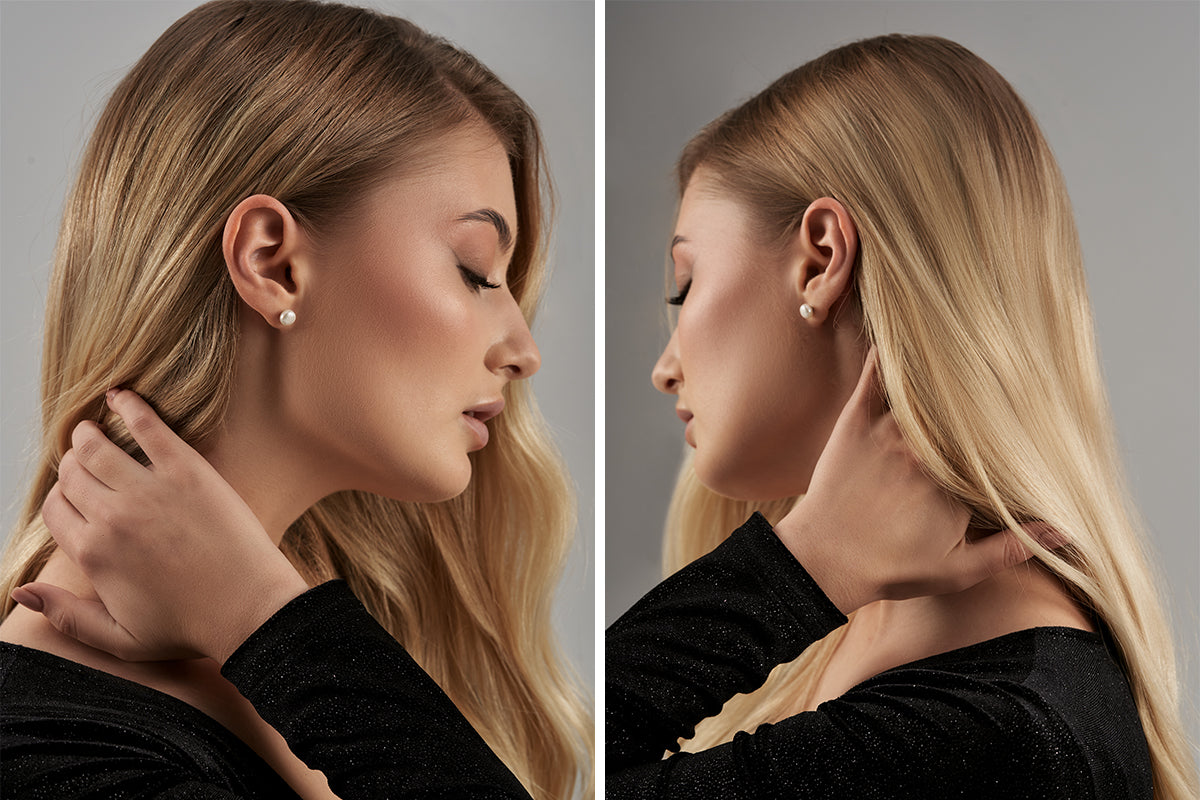
Wondering how to keep hair straight all day? Keep your hands out of it, skip tight styles and cover up in humidity or rain. How long the result lasts depends on your natural texture, your technique and how often you touch your hair.
Frequently Asked Questions
Why does my straight hair go wavy overnight?
Straightened hair may develop waves overnight because of friction, movement and moisture. If your hair is naturally curly or wavy, humidity can make it return to its natural pattern. Wrapping your hair or sleeping on satin reduces the chances of it getting wavy.
Should I sleep with wet hair so it dries straight?
It's better if you don't rely on wet hair to get a straight finish. The hair is naturally vulnerable to stretching and friction when wet, and as it dries, it can create unwanted bends. For a smoother finish, dry and style your hair first, then use a wrap, satin protection or any low-tension method.
Should I sleep with my hair up or down?
To get a perfect result, avoid sleeping with your hair tightly up. A traditional wrap keeps the hair smooth without creating a ponytail crease, while a loose bun can work when you don't want to wrap it. Your hair can be left down as long as you sleep on a silk or satin pillowcase to reduce friction.
How many nights can straight hair last?
There is no fixed number because results vary with hair texture, humidity, washing and styling habits. Usually, straightened hair can last for several days if well protected overnight, but curly or wavy hair may revert sooner. Avoid repeatedly applying high heat just to extend the style.
How do I keep my hair straight after straightening?
By allowing it to cool completely after straightening, then protecting it from friction during sleep. Wrapping is one of the most effective ways. Sleeping on satin or silk bedding is a simpler alternative though. Your mornings should be focused on smoothing the areas that need it, not re-ironing your whole head.



Leave a Comment