


If your hair never seems to hold a deep conditioner or takes forever to dry, the culprit is likely your hair’s porosity. Knowing whether you have low vs high porosity hair is the fastest way to stop guessing and start building a routine that actually works. Once you’ve confirmed which side of low vs high porosity hair you fall on, the right routine follows naturally.
What Is Hair Porosity?
Hair porosity is your hair’s ability to absorb and retain moisture, based on how tightly the outer cuticle layer is packed. Hair falls into low, medium, or high porosity, and the category isn’t fixed. This is because friction, heat styling, and chemical treatments can shift it over time.

As explained above, heat opens the cuticle, which is why a low-heat blow-dryer or warm towel before a deep conditioner helps low porosity hair absorb product. Keep tools on a low setting and limit heat styling elsewhere, since repeated high-heat exposure is what alters porosity and causes long-term damage.
Our stylists recommend a low-heat blow-dry before applying a mask on low porosity hair: opening the cuticle this way lets the mask absorb in a single session instead of sitting on the surface for repeated applications.
According to the Journal of Cosmetic Science, exposure to extreme heat and chemical processing like bleaching can impact your hair’s porosity. Our formulation team factors in climate and water hardness when developing porosity-focused formulas for the 75+ countries where the brand is used, since both are known environmental contributors to cuticle condition.
What Is Low Porosity Hair?
Low porosity hair has a cuticle that’s tightly packed and lies flat against the shaft, which means moisture and product cannot penetrate into and cannot escape easily out of your hair. Other characteristics of this hair type include a longer drying time, since water struggles to get in, and a tendency for product to sit on top rather than absorb. Low porosity hair meaning, in short: hair that resists moisture up front but holds onto it well once it’s finally absorbed.
What Is High Porosity Hair?
Unlike low porous hair, the cuticles of hair with high porosity are widely spaced. This allows moisture to move in and out easily. Unfortunately, this is not too good because if they do not receive lots of quality care and attention, they can break out, get frizzy and look unhealthy.
High porosity hair meaning, put simply: a raised or gapped cuticle that lets water and product in fast, but just as fast, lets it back out.
Signs of Low vs High Porosity Hair
Need to know which category your strands fall into before you do a test? These daily observations will clue you in most of the time.
Signs of Low Porosity Hair
- Water beads on your hair instead of absorbing immediately.
- Hair takes forever to become completely saturated or dry.
- The product remains on top of your strands and can feel heavy quickly.
- Hair has a shiny, smooth appearance with little or no frizz.
- Deep conditioners and oils appear to sit on hair.
Signs of High Porosity Hair
- Hair absorbs moisture and product right away
- Hair dries fast after being washed, often too fast
- Hair feels coarse, dry, or straw-like when you run your fingers through it
- Frizz, knots, and split ends are common
- Color processes quickly, but fades quickly as well
Quick Identification Tips
Still undecided? Try this float or bump test. Time yourself to see how long it takes your hair to dry post-shower and observe if the leave-in product absorbs in minutes or remains on the surface for hours.
How to Do a Hair Porosity Test
Two simple at-home tests, the float test and the bump test, can confirm your hair porosity in under five minutes. Run both for the most reliable read, since porosity can shift across a single head of hair.
The Float Test
For this, you need to follow a few steps:
- Take one or two strands of hair. You could get this easily from your brush or comb. Ensure the strand(s) is from clean hair. Hair with product build-up could alter results.
- Drop them in a glass or bowl of clear water. Use room-temperature water, since hot water can make even low porosity strands sink and skew your result. Repeat the test on 3-4 different strands, since porosity can vary across a single head of hair.
The Bump Test
You could confirm the first test with this method to be super sure. To do this, lift a strand of hair and slide your fingers up your hair from tip to scalp. If you notice small bumps as you go up, you have high porosity. If it is rather smooth to touch, you have low porosity. Basically, the bumpier the cuticle, the higher the porosity.
We don’t leave porosity to guesswork: our formulation team builds Juvexin, GK Hair’s signature keratin-protein complex, into porosity-specific treatments, so once you know your result from the tests above, there’s already a formula calibrated for it. We’ll walk through exactly which one fits your hair type next.
Low vs. High Porosity Hair: Quick Comparison
The difference between low and high porosity hair is how easily your hair absorbs and holds moisture. Low porous hair resists water and products, while high porous hair absorbs moisture quickly but also loses it faster. Understanding these differences makes it much easier to choose the right hair care routine.
Whether you’re sizing up high vs low porosity hair for the first time or double-checking a test result, the chart below breaks down every major difference at a glance.
| Features | Low Porosity | High Porosity |
|---|---|---|
| Cuticle Structure | Tightly packed and lie flat | Raised or have gaps |
| Moisture Absorption | Absorbs moisture slowly. | Absorbs moisture very quickly. |
| Moisture Retention | Holds moisture well once absorbed. | Loses moisture quickly and dries out faster. |
| Product Absorption | Products tend to sit on the surface before absorbing. | Products absorb easily but may need frequent reapplication. |
| Drying Time | Takes longer to become fully wet and longer to dry. | Gets wet quickly and usually dries faster. |
| Common Concerns | Product buildup, difficulty moisturizing, and limp-feeling strands. | Dryness, frizz, tangles, and breakage. |
| Best Product Types | Lightweight, water-based products are best for this hair so that they won’t weigh hair down. | Rich creams, deep conditioners, and nourishing oils are best for this hair. |
| Heat During Conditioning | Gentle heat helps open the cuticle for better moisture absorption. | Heat is optional; focus on sealing in moisture after conditioning. |
| Overall Hair Goal | Help moisture penetrate the hair. | Help moisture stay locked inside the hair. |
Porosity also affects how your hair reacts to protein. Low porosity hair can feel stiff or straw-like if you use protein treatments too often, since the tightly packed cuticle already limits how much moisture escapes. High porosity hair usually tolerates protein better and often needs it more, since the open cuticle lets protein bond into the gaps and temporarily smooth the surface.
As mentioned, GK Hair’s Juvexin-based treatments are matched to porosity: high porosity hair typically responds well to a full Juvexin protein treatment, while low porosity hair does better with lighter, moisture-first formulas and only occasional protein use.
How to Care for Low, Medium and High Porosity Hair
Here are the best methods to tend to your strand porosity: Don’t let yourself believe your hair is bad because it has low porosity. Rather, embrace it and take these steps:
- Wash with a clarifying shampoo to get rid of product build-up.
- Avoid using several products on hair at a time to avoid weighing it down.
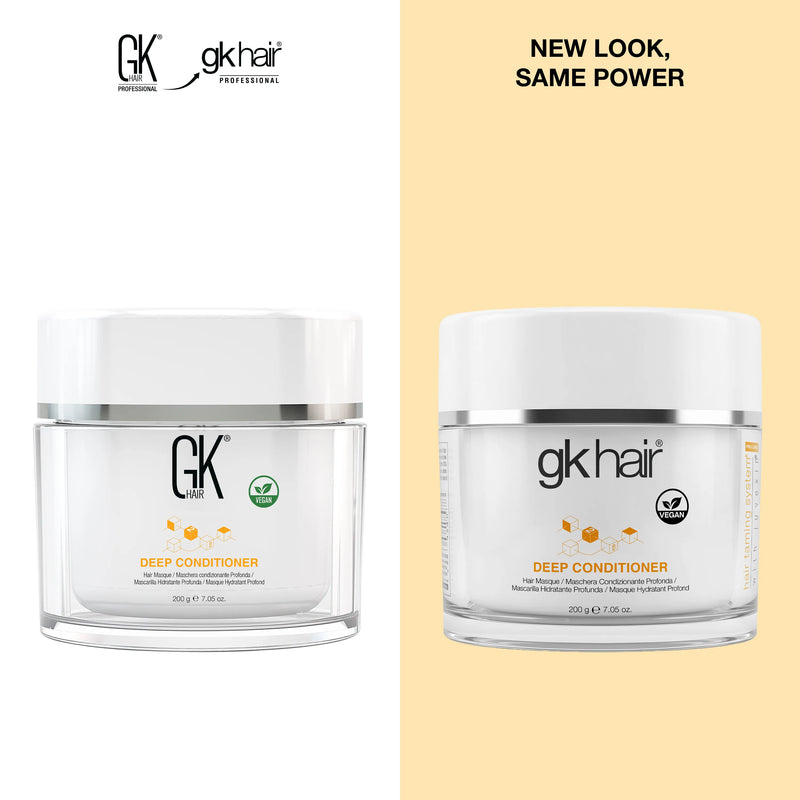
- Use cream-based lightweight formula conditioners and gel. Our Deep Conditioner is best for low porosity hair, since its lightweight cream formula conditions without weighing strands down. Apply once or twice a week after shampooing, leave on for 10 to 15 minutes, and rinse.

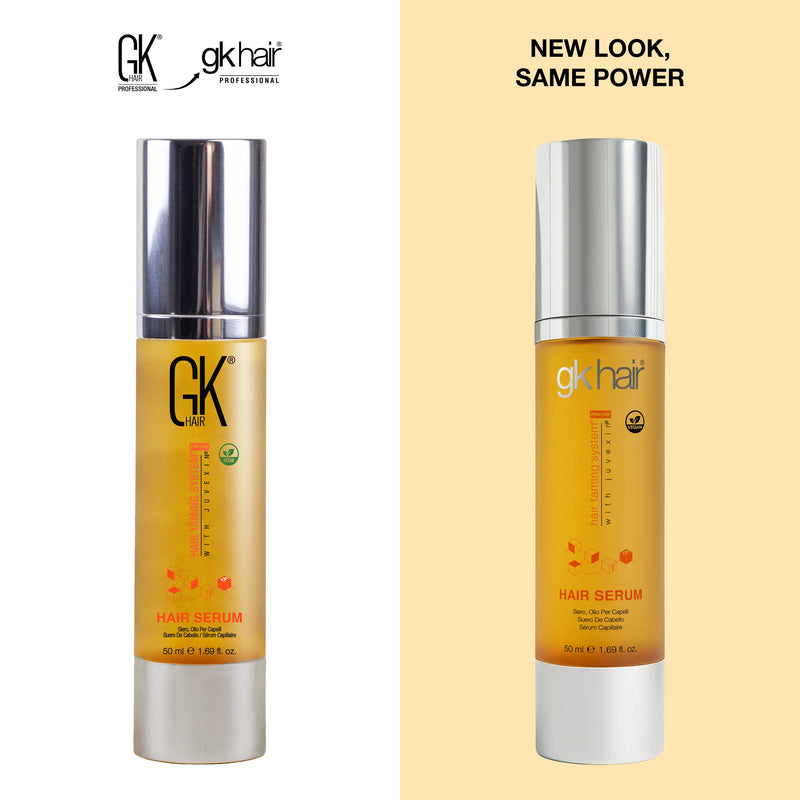
Best for all hair types seeking lightweight shine and cuticle-smoothing moisture, our Argan Oil Serum works well applied to clean, dry, or damp hair before shampooing. Work a dime-sized amount into your ends up to mid-hair length. This serum delivers intense moisture and nutrients to each strand, opening up the cuticle for easy absorption of moisture.

For a deeper reset between porosity tests, browse our full hair treatments collection, built with a formula for every porosity level.
For Medium Porosity Hair
As many people may think, this hair type isn’t automatically healthier than the rest. It can get really messy, frizzy, and dry if not properly maintained. If you are lucky to have medium or normal hair, maintain it with the right products, or else it can move from medium porosity to low or high porosity. Be sure to include a deep conditioner in your routine.
Medium porosity hair holds a healthy balance: it absorbs moisture at a reasonable pace and retains most of what it takes in. That balance is easy to lose. Over-washing, heat styling, or skipping conditioner can push it toward high porosity, while heavy, rich products can weigh it down toward low porosity behavior. Stick to a light-to-medium conditioner every wash, use heat protectant before styling, and space out clarifying washes to keep the cuticle in its current state.
For High Porosity Hair
A frequent occurrence with curls and waves is less bounce, since strands with high porosity snap and break more easily. Focus on retaining the water that gets in rather than just adding more of it. Best for high porosity hair that needs help locking in moisture between washes, our Leave-In Conditioner Cream helps lock that moisture in place: spray or smooth a small amount through damp hair after every wash, focusing on the ends.
GK Hair stylists see the best results on high porosity hair with a weekly deep conditioning treatment followed by the Leave-In Conditioner Cream to smooth the raised cuticle and reduce further breakage, while trimming split ends stops damage from traveling up the strand.
Stylist’s Corner
One of the easiest ways to improve any hair care routine is to apply products in layers rather than all at once. Start with the lightest product, such as a leave-in conditioner, and follow with styling products as needed. This helps each product do its job without overwhelming the hair, giving you better results regardless of your strand porosity.
Can Your Hair Porosity Change?
Yes, hair porosity can change over time, even though your natural cuticle structure sets your baseline. Frequent heat styling, coloring, bleaching, and chemical services gradually lift the cuticle, which is why hair that started low or medium porosity often shifts toward high porosity with repeated processing. Retest your strands every few months to catch the shift early.
Which Hair Porosity Type Do You Have?
Most people aren’t one porosity type all over. Color-treated or heat-styled ends often run higher porosity than natural roots, even on the same head of hair. As explained above, the float and bump tests confirm where you land on low vs high porosity hair in under five minutes, so test a strand from your roots and a strand from your ends separately if you color or heat-style regularly.
FAQs
What is the difference between low and high porosity hair?
The distinction between low and high porosity hair comes down to the cuticle: low porosity strands lie flat and tightly packed, so moisture struggles to get in, while high porosity strands sit raised or gapped, letting moisture in and out fast. Low porosity hair resists product; high porosity hair absorbs it quickly but dries out just as fast.
How do you know if your hair is low or high porosity?
You can tell your hair’s porosity with the float test or the bump test. Drop a clean strand in room-temperature water: it sinks if you have high porosity hair and floats if you have low porosity hair. Or slide your fingers up a strand; a bumpy feel signals high porosity, while a smooth feel signals low porosity.
What does low porosity hair mean?
Low porosity hair meaning is that the cuticle lies flat and packed tightly against the hair shaft, so moisture and product take longer to absorb. What does low porosity hair look like in practice? Expect glossy strands that resist water at the sink, dry slowly, and can feel coated even with a small amount of product.
What does high porosity hair mean?
High porosity hair means the cuticle sits raised or gapped, so moisture and product rush in and rush back out just as fast. This type of hair often feels rough or dry to the touch, tangles easily, and loses moisture between wash days faster than low or medium porosity hair does.
Which is better: Low or high porosity hair?
Neither is better. Low and high porosity hair simply need different routines. Low porosity hair often looks shinier since its flat cuticle reflects light evenly, while high porosity hair absorbs moisture fastest but loses it just as quickly. Porosity isn’t a measure of hair strength; both types can be healthy or fragile depending on care.
Your Porosity-Matched Routine Starts Here
Now that you know the low vs high porosity hair, dial back the heat styling and chemical treatments that push your cuticle out of balance. Retest your strands every few months, since porosity shifts as hair grows. A porosity-matched routine turns guesswork into consistent results. Explore our porosity-matched formulas at GK Hair to find your shampoo, conditioner, and leave-in match.


Leave a comment