


Did you ever think that leave in conditioner for damaged hair is a styling extra? It is often the opportunity hair has to recover before breakage occurs. Once strands become brittle, damage happens faster but quietly. If you think that hair just snaps suddenly, then you've got it all wrong. It thins, weakens and loses resilience long before visible breakage appears.
When Hair Breaks Before It Breaks
Brittle hair shows subtle warning signs before eventually breaking. It shows up in form of increased shedding during detangling, shorter flyaways around the crown and ends that fray despite regular trims. These are indicators that the hair fiber has lost its internal cohesion. The factors causing this damage may be heat, color, environmental exposure, or mechanical stress.
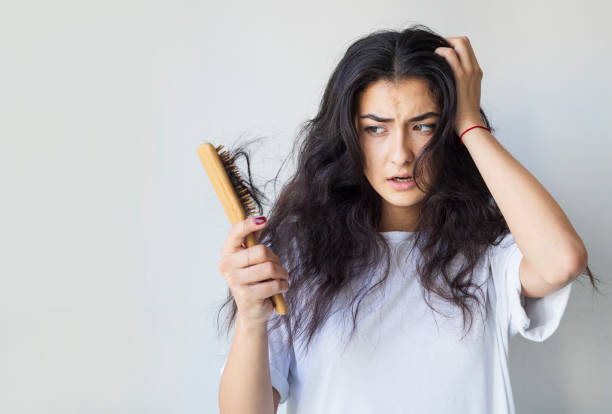
However, the goal is the same: to create weak points along your hair strands. At these points, your hair needs an effective leave-in care routine. It is important that you introduce leave-in treatment after rinsing, when hair is most vulnerable and receptive to repair. For damaged hair, the right leave in conditioner will not only deliver softness but also repair your strands.
Traditional conditioners will improve surface feel, but once hair is dry, the protection disappears. Leave-in conditioner for damaged hair functions differently. It remains with the strand, reinforcing it during moments like brushing and styling when breakage is most likely to occur.


Rinse-Out Care Isn’t Enough for Brittle Hair
Rinse-out conditioners are useful, but they are designed to detangle and soften hair, not to help it withstand friction. Once water is removed, hair is exposed again to tension and dehydration. Brittle hair needs continued reinforcement. This is why many people with damaged hair feel an improvement while in the shower, only to experience dryness and snapping hours later.
When you use leave-ins, the conditioning window is extended. They act as a buffer between the hair and the outside world by reducing moisture loss and distributing stress more evenly along the strand. This is paramount if you are seeking a leave in conditioner for breakage, where prevention matters more than repair.
Leave-In Conditioner Explained: Benefits, Tips, and Best Picks will give you more information about how to choose the best formulas.
Place Flexibility at the Core of Your Repair
You could be making a wrong move if your goal is to make damaged hair stronger. Strength without flexibility will only lead to stiffness and then to snapping. The best leave in conditioner to repair damaged hair focuses on elasticity. It allows hair to bend, stretch and return to shape without breaking.
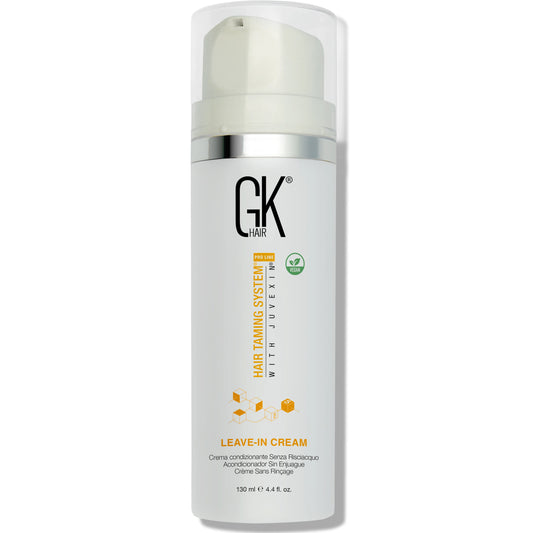
With a careful balance of moisture and lightweight protein, you can achieve this breakthrough. GK Hair’s Leave-In Conditioner contains this balance. It is enriched with Juvexin Keratin that supports the internal structure of hair without making it rigid or brittle. It provides hydration and weightless conditioning that leaves hair naturally soft, smooth, non-sticky and shiny.

This product is free of sulfates, parabens and phthalates. Make sure to apply this conditioner on damp hair only from mid-length to tip. This way, it will nourish the hair from the inside out. Once elasticity is restored, hair stops breaking under everyday stress.
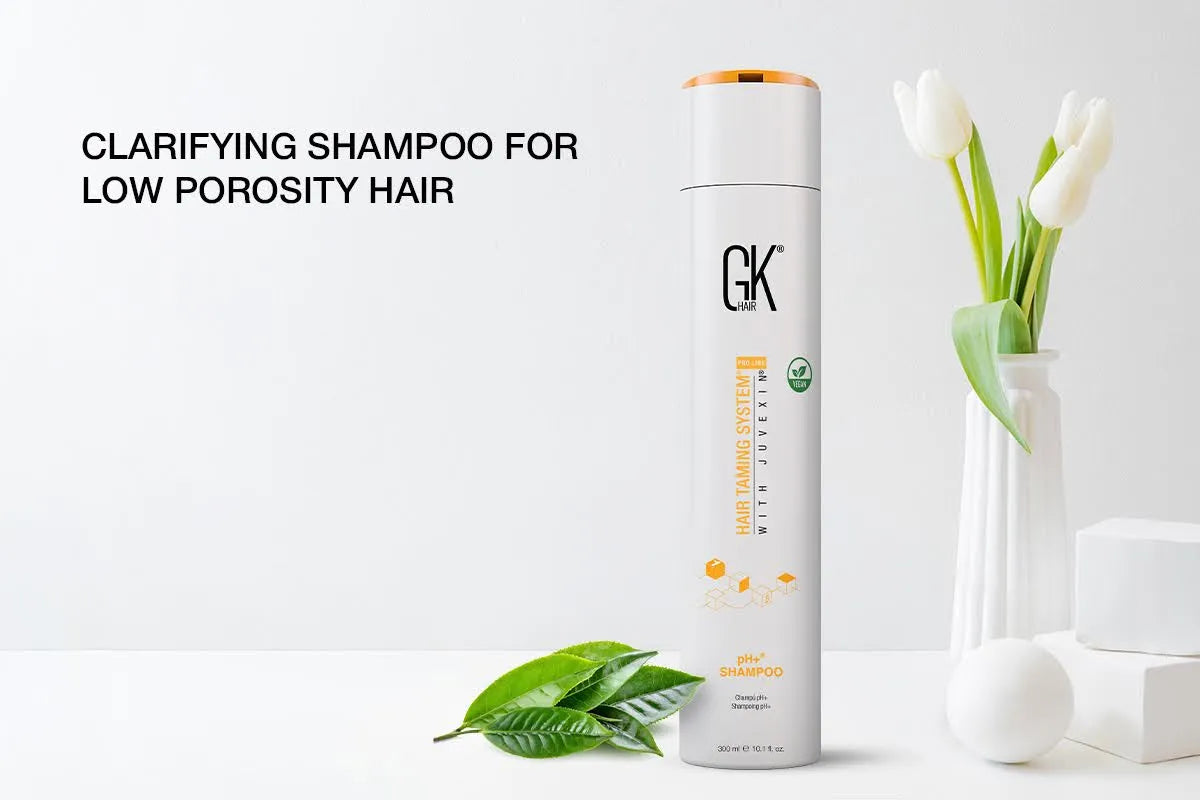
GK Hair’s Deep Conditioner also restores damaged hair by nourishing and locking in moisture. Its Juvexin-infused formula helps prevent future damage, while jojoba oil helps with frizz and dryness. Before applying this product, wash your hair with GK Hair’s pH+ Shampoo, rinse and apply the Deep Conditioner. Leave it on for 20 minutes and then rinse thoroughly for super conditioned hair.

Why Leave-Ins Are Critical During Styling and Recovery Phases
Dry frizzy hair is often treated as a styling issue, but when dryness persists despite conditioning, damage is usually the culprit.
The best leave in conditioner for dry frizzy hair doesn’t mask frizz. It addresses the underlying porosity that allows moisture to escape. By smoothing the cuticle and reinforcing weak areas, a high quality leave in reduces frizz. As a result, damaged hair often responds better to leave ins than oils. Oils seal but don’t rebuild. Leave ins do both when formulated correctly.
Hair is most fragile when wet. It is also most vulnerable during heat styling and manipulation. A leave in conditioner creates a protective layer that reduces friction and heat stress. If you are transitioning away from chemical processing or excessive heat, leave-ins are an excellent transitional option. They support hair as it regains strength, reducing the temptation to overstyle or overcorrect.
Lightweight leave ins are particularly effective because they protect without weighing hair down, making them suitable for repeated use during recovery periods.
The Cumulative Power of Consistent Leave-In Use
If you think leave ins are instant fixes, you are mistaken. The true value reveals itself over time. With consistent application:
-
Hair begins to feel less fragile.
-
Detangling becomes easier.
-
Breakage slows.
-
Ends retain thickness longer between trims.
These changes are subtle but significant. This cumulative effect is why leave ins are often recommended as daily or every-other-day care for compromised hair. They don’t overwhelm the hair but support it continuously.
At the same time, it is important that you use a leave in conditioner that matches your damage level. Not all damage requires the same response. Light damage may only need moisture retention and friction reduction. Severe damage will benefit more from leave ins that offer structural reinforcement alongside hydration.
The key is choosing a formula that aligns with your hair’s current condition, not its ideal future state. Overloading fragile hair with heavy treatments can backfire, yetif you don't provide the right support, damage will persist. The best results come from leave-ins that quietly improve hair behavior over the course of weeks.
Final Thoughts
Hair repair doesn’t happen only in the shower. It happens in the hours and days that follow. The true state of your hair is seen when it is exposed during daily activities. A thoughtfully chosen leave in conditioner for damaged hair acts as a silent protector that reduces stress, preserves moisture and gives strands the chance to recover rather than deteriorate.
Find the perfect choice on GK Hair Care Collection!




Leave a Comment