


Do you feel your hair snapping while you brush, wash or style it? A few snaps here and there can be completely normal and nothing to panic about. But if it becomes too frequent and almost the norm, then you have damaged hair that needs a proper hair breakage repair treatment.
What Causes Hair Breakage?
Hair breakage is what happens when the strands of your hair snap because the cuticle is damaged. Usual causes are hot tools, pulled-back styles that stay too tight, arid weather, bleaching or frequent coloring, being heavy-handed with wet hair, and diets that don’t provide enough protein. Sometimes a single issue sets it off, but more often it’s a few of these stacking up at once.
Here are some major causes of why your hair could be breaking this very moment.
Heat styling
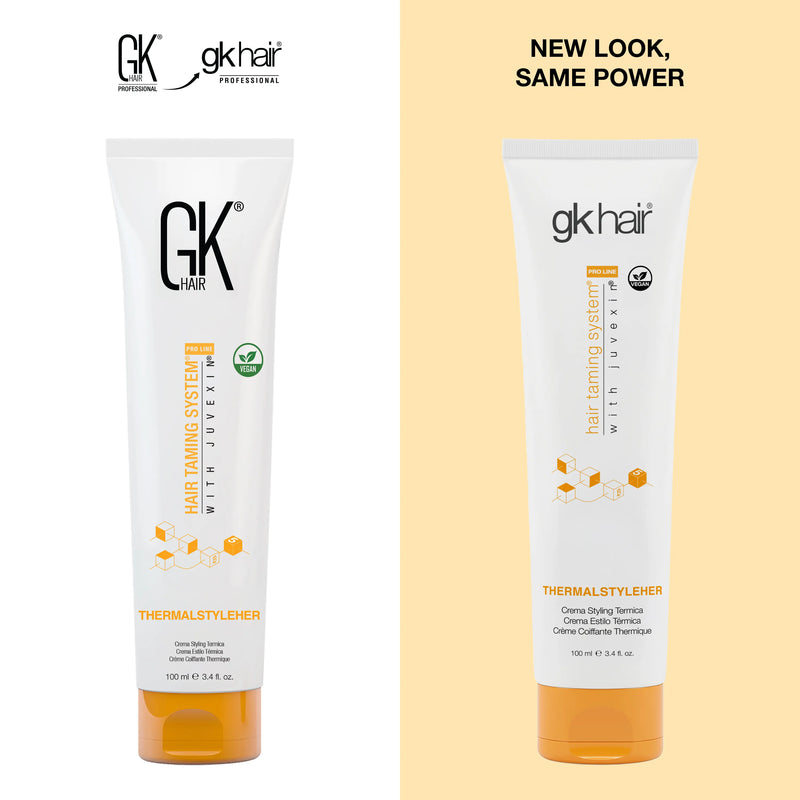
Each time you run a flat iron or curling wand through your hair without any heat protection, you’re basically pulling moisture out and scuffing up the cuticle. Keep repeating it, and the hair fiber dries out, then it starts snapping and feeling brittle. Dial your tools down to the lowest temperature that still gets the job done, and put on a heat protectant before you start, for example, GK Hair ThermalStyleHer Cream.

Hair Ties and Tight Styles
Elastic hair ties exert pressure on a single area of the hair shaft. Shorter fragments around the crown/nape are better. Over time, braids, cornrows, and tight buns can also strain the follicles. Use silk or satin scrunchies and change the ponytail's placement.
Lack of Moisture
Dry hair equals brittle hair. Period. A lack of moisture-protein equilibrium means the hair strand can't flex when you're styling it and applying pressure. It will break. Dry climates like our Southwest region and winter weather can reduce indoor humidity from indoor heating.
Chemical Treatments and Bleach
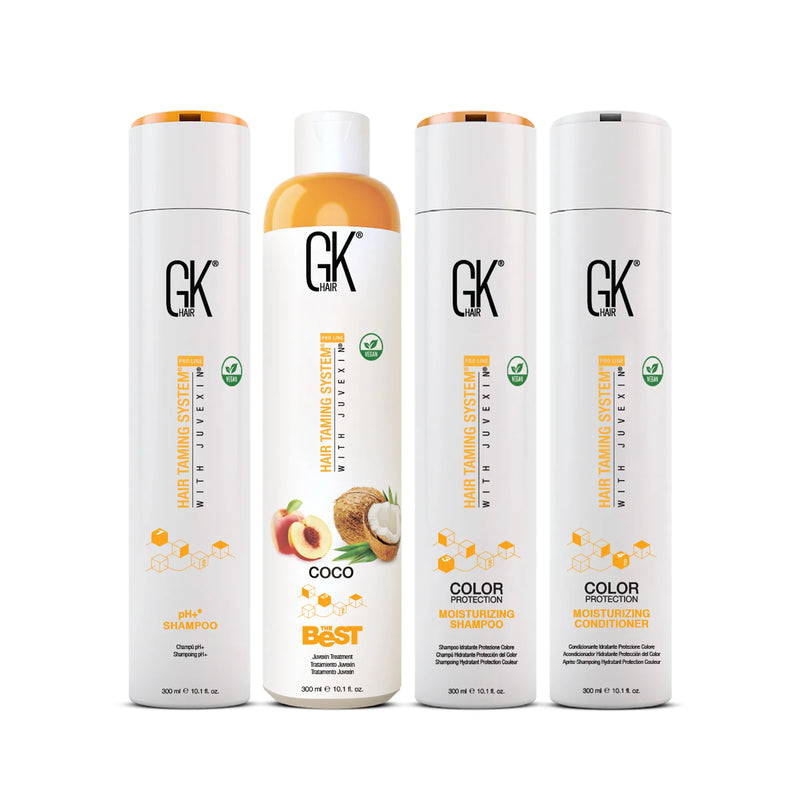
Bleach actually attacks the disulfide bonds within the hair shaft to lift color. That action weakens your cuticle permanently, unless it's rebuilt. Color-treated and bleached hair requires additional protein and moisture protection. That's where a keratin-based treatment such as The Best Hair Treatment comes in.
Stress and Nutrition
The effects of chronic stress on cortisol and its impact on disrupting the hair growth cycle. Low protein or iron intake or other poor nutrition deprives the strands of their strength. The following steps can help keep your locks healthy from within.
Signs of Hair Breakage
It is very important to find the cause of the breakage at the earliest, as it helps in solving the issue before it gets out of hand. Hair with short, unsightly ends, uneven ends, hair ends that are moving up, hair ends with frizziness and dryness, right after washing, or hair that is quite coarse and "crunchy" when dry.
Hair breakage vs. Hair Loss: How to Tell Them Apart
Run a strand between two fingers. If smooth, you're doing alright. A rough, popping, stretching-out, or gummy feeling back means your cuticle needs care.
The Elasticity Test: The Best Test Needed at Home
Physical observation is not sufficient to reveal the hair shaft or provide details of what is happening within your hair. It's why the surest way to know what is happening internally with the hair's texture is to use an elasticity test, which most salons use.
The elasticity test examines your hair's ability to extend itself while still returning to its natural state without breaking. Healthy hair is like an elastic band, while hair breakage is like a weak thread.
Why is Hair Elasticity important?
Hair with good elasticity lasts longer, and it is easier to handle. This is because it stretches and returns to the original shape without breaking. This makes it more durable and simpler to style or manage.
Techniques for Performing the Elasticity Test
-
Begin with cleaning and dampening the hair
-
Separate the particular hair strand that has a tendency to break
-
Hold the strand between your thumb and index fingers.
-
Apply slow pressure as you expand the strand.
-
Notice the reaction before releasing it.
Protein-Moisture Balance
That's how healthy hair works. Protein (keratin specifically) strengthens hair. Hydration allows it to remain elastic. Throw off the scales in either direction, and you have a problem. Excess protein by itself creates stiff, brittle hair. Excess hydration by itself creates limp, stretchy hair. Either will result in snapping.
Step 1: Cleanse Gently
Begin with GK Hair's Moisturizing Shampoo and Conditioner.
Best for treated hair: color, bleach, keratin and things that leave your hair dried out. It's sulfate free which means it cleanses without stripping your cuticle of the oils it needs to stay healthy. Use once or twice a week. Daily use would be counterproductive.

Step 2: Deep Condition Weekly
Apply our Deep Conditioning Hair Treatment once weekly.
Best For: All hair types. But especially if your hair snaps when styling or has noticeable dryness. Apply in sections after shampooing. Cap hair, apply heat for 20 minutes, then allow to cool for 10 minutes. Rinse and style as desired. Juvexin V2 is unique because it is a plant-derived keratin complex. Our formula comes from Quinoa and Pea and works from within the cortex.
Step 3: Seal With a Repair Serum
Follow up with a few drops of our Argan Oil Serum.
Best for: sealing split ends, adding shine, diminishing friction when detangling. Use on all hair types. Our product is potent, so start with two drops on mid-lengths and ends.
Step 4: Lock in Moisture Between Washes
For days when you don't wash, spray GK Hair Leave-In Conditioning Spray on damp or dry hair.
Best for: refreshing your curls, battling humidity and frizz, and maintaining the strand's flexibility between washes. Leave-In.
Step 5: Keratin Treatment for Severe Breakage
For seriously damaged or over-processed hair, a professional keratin treatment rebuilds what daily products cannot. The Best Hair Treatment restores the strand's keratin content lost to coloring, heat, and UV exposure. Results last 4 to 5 months with proper maintenance.
Stylist's Corner
Stylists recommend applying your deep conditioner before shampooing, not after. By pre-conditioning hair when it is dry, you seal the cuticle shut before introducing water. This prevents swelling of the mid-shaft and eventual tiny breakage from said swelling (over time), known as micro tears. Try it for 4 weeks, once a week, and see how your elasticity test changes.
Juvexin vs. Standard Hydrolyzed Keratin
Not all keratin is the same. Here is how GK Hair's Juvexin formula compares to the standard hydrolyzed keratin you find in most products.
How to Prevent Hair Breakage
Preventing hair breakage mostly comes down to cutting out the everyday things that slowly rough up your cuticle. The real gains come from small changes you stick with, not from a deep treatment you do once in a while.
-
Trim Regularly: Don't let the ends of the hair string out. Trim regularly every 8-12 weeks.
- Comb Gently: When wet, comb your hair by running a wide-tooth comb through the ends and working it up gradually. Don't pull a brush through from root to tip on wet hair.
-
Protection During Sleep: Sleep on a satin or silk pillowcase and wrap your hair in a satin scarf. The friction is continuous with cotton.
-
Use Heat Protection: Apply ThermalStyleHer Cream before every heat styling session, there is no exception.
-
Limit Chemical Treatments: space out bleach sessions by at least 8 weeks and follow every one with a protein treatment.
Sun and Chlorine Protection Matters. UV light can trigger keratin buildup in hair much the same way it affects skin, so don't leave it exposed at the pool. Throw on a hat or put on a UV-shielding product before you get in.
Can Hair Breakage be Reversed With the Right Treatment?
Yes, hair breakage is reversible with a regular treatment regimen. You can't reattach snapped hair, but you can fortify the hair above the break so that no more damage occurs. If you deep condition regularly, use protein treatments, and change your daily routine to be more gentle, most people notice a change in 4-6 weeks.
The caveat: if hair is severely bleached or heat-damaged, it may require professional keratin treatment to repair the cortex enough for home maintenance to be effective. Consider the professional treatment as setting a new baseline, and then home maintenance preserves it.
Final takeaways
Hair breakage is not inevitable. It requires the right routine, a little patience, and the right products for the job. Stop doing what’s breaking down your cuticle, replace what’s missing (most likely moisture and protein), and allow 4-6 weeks for the process to be consistent.
For many, that will require starting with a sulfate-free shampoo, weekly deep conditioner, and a sealing serum for the ends. Go from there to address what your elasticity test revealed. Bold hair is built, not born.
Ready to build? Discover GK Hair’s full damage-repair line to figure out the products that are right for your hair type and hair routine.


Leave a comment