


You wash your hair, feel happy about it and then a couple of hours later your roots are already flat and oily. If you have continuously been wondering “why is my hair so oily,” one of the reasons may not be lack of hygiene but the mix of your scalp biology and daily habits that very quietly work against you. In fact, some of those habits are ones that you absolutely wouldn’t think to question.
What Causes Oily Hair?
Sebaceous glands on your head produce a substance called sebum. This gives your hair the right amount of moisture and protection. While it’s not bad on its own, the issue arises when this sebum production gets over the top.
When unrestrained, it makes the hair roots looking greasy by noon. These glands are very sensitive to what you do day-in and day-out and understand it is the first step to changing the cycle. If asking yourself why your scalp is so oily while the rest of your hair looks fine is something that you do, then sebaceous glands are where the answer begin.
Is Your Scalp Naturally Oily?
Knowing your scalp type changes the approach entirely. There are three worth understanding:
-
Naturally oily scalp: Your glands produce more oil than average regardless of habits. Greasy roots within hours of washing, probably since your teens.
-
Combination scalp: Oily at the roots, dry or normal at the ends. One of the most common types and often made worse by using one product across the entire length.
-
Reactive oily scalp: Not naturally overactive, but pushed there by over-washing, harsh shampoos or heavy products. This type corrects fastest with the right routine.
The reactive type is far more common than people realize and far more fixable.
Shower Habits That Make Your Hair Oily
Many causes of oily hair actually start in the shower. Washing habits directly affect oil balance because your scalp constantly tries to protect itself. Here are some common shower mistakes that may explain what causes greasy hair.
1. Overwashing Your Hair
Washing too often can worsen oil production, rather than improve it. Shampooing strips away protective oils when you do it daily. Your scalp, in turn, compensates by producing more oil. The result of this is a cycle in which your hair feels greasy more quickly.
Space your washes to help your scalp re-establish equilibrium.
2. Under-Washing Your Hair
Stretching your hair washing routine too far is definitely asking for trouble as oils, sweat and product residues accumulate on your scalp so much that even dry shampoo cannot reach them. In case the question “why does my hair always look oily” comes to your head over and over again, it is definitely worth investigating.
2-3 washes a week is the right range for most hair types. The point is staying consistent as buildup doesn’t get a foothold when you don’t give it the chance.
3. Not Conditioning Properly
The only place for a conditioner to be is on your hair’s mid-lengths and ends. If you apply it higher than that, you are just layering moisture on top of a scalp that is already producing oil.
Heavy and flat roots come afternoon are not the shampoo’s fault all the time. Over-conditioning is one of the major oily hair causes that people tend to disregard and it is one of the easiest habits to keep without realizing it.
Condition only from mid-shaft to ends. Use a light formula and rinse longer than usual.
4. Using the Wrong Products
Thick serums, moisturizing shampoos, styling creams built for dry or damaged hair used on an oily scalp are adding to a problem that’s already there.
If your current shampoo leads with hydration and shine, it’s too rich for what your scalp needs.
GK Hair Balancing Shampoo & Conditioner is formulated for this exact situation. It removes excess oil while restoring the scalp’s natural pH+ balance, not stripping it.
What makes this duo work long-term is the combination of plant extracts that regulate oil buildup and Juvexin, GK Hair’s keratin anti-aging protein blend, that quietly strengthens and nourishes hair at every point from root to tip. Sulfate-free, paraben-free, gluten-free, phthalate-free. 2-3 washes a week with this combo and the rebound cycle stops being a cycle.

5. Dandruff
If dandruff and greasy roots seem to be hitting you at the same time, there is a reason for that. The skin inflammation that causes most of the dandruff flare-ups, does not only lead to flaking, but it also signals your sebaceous glands to increase oil production. Treating only the visible flakes without dealing with the oil problem is why so many people can’t get rid of dandruff permanently.
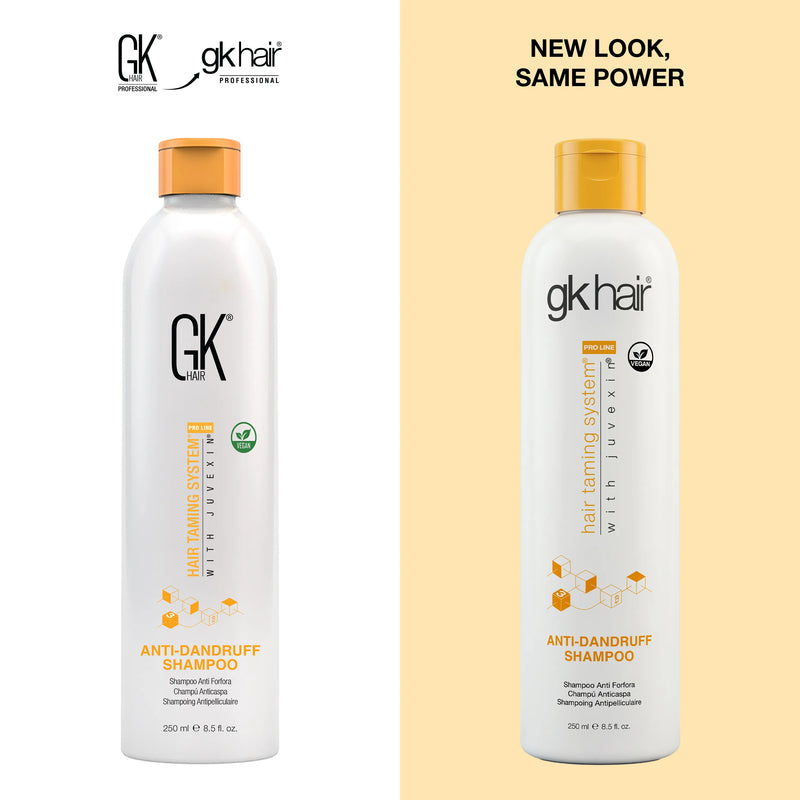
Dandruff that frequently returns accompanied by oily roots is a sign that GK Hair Anti-Dandruff Shampoo should be added to your regimen as it brings the scalp’s pH back to normal, controls flake formation and soothes irritation without the hair becoming dry.

Tackling dandruff on top of oily roots? The brand of shampoo you go for really matters. Check out Sulfate Free Dandruff Shampoo: The 2026 Guide to Gentle, Medicated Formulas That Work for a full breakdown of the gentlest, most effective options available right now.
Other Factors: Hormones, Stress Diet
6. When Your Routine Isn’t the Problem
You’ve cleaned up every habit on this list and your roots are still greasy by noon. That’s a sign something internal is driving it. Sometimes the habits are fine and the problem is internal.
Hormonal shifts from puberty, pregnancy, menstrual cycles and birth control can push sebaceous glands into overdrive with no warning and no obvious trigger. Cortisol from stress does the same. Your roots can get greasier during a hard week at work even if you haven’t changed a single thing about how you wash or style.
What you eat feeds into it too. High intake of refined sugar and processed fats feeds scalp oiliness from the inside. On the other side, omega-3s and B vitamins found in leafy greens, lentils, eggs and lean proteins actively support sebum regulation.
Sleep and stress management support the same outcome. Pair all of that with the right GK Hair products and the scalp corrects itself faster.
Styling Habits That Cause Greasy Hair
7. Touching Your Hair Too Often
Your hands carry oils from your skin and face all day. Most people touch their hair more than they realize. Fixing a strand, tucking it back, running fingers through it between meetings. Each time you do, the natural oils on your hands transfer straight to your hair.
By the end of the day, that contact adds up to a lot more oil than one wash-day can undo. Finish styling then leave it alone.
8. Over-Brushing
Every brushstroke stimulates the oil glands on your scalp and distributes sebum from roots all the way to ends. If ”why does my hair get greasy so fast” keeps crossing your mind after getting ready in the morning, the brush is likely a bigger factor than expected.
Brush enough to detangle and style, nothing more. There’s no benefit to going beyond that, especially for an oily scalp
9. Dirty Brushes and Pillowcases
Most people clean their hair but never think about their brush. Every time you use it, oil, dead skin cells, product residue and lint get picked up and put right back onto your strands the next day. The pillowcase does the same thing overnight. If your roots are greasy before you’ve even had coffee, check both.
A weekly brush clean in warm water with a little shampoo takes two minutes. Change your pillowcase just as often. Silk or satin options are worth it since they absorb less oil and are much kinder to your hair overnight.
10. Product Buildup
Every styling product you use leaves residue. Dry shampoo, hairspray, heat protectant, volumizing spray, it all accumulates and mixes with natural sebum until your hair feels heavy and oily no matter how recently you washed. More washing doesn’t fix it. It just adds another layer.
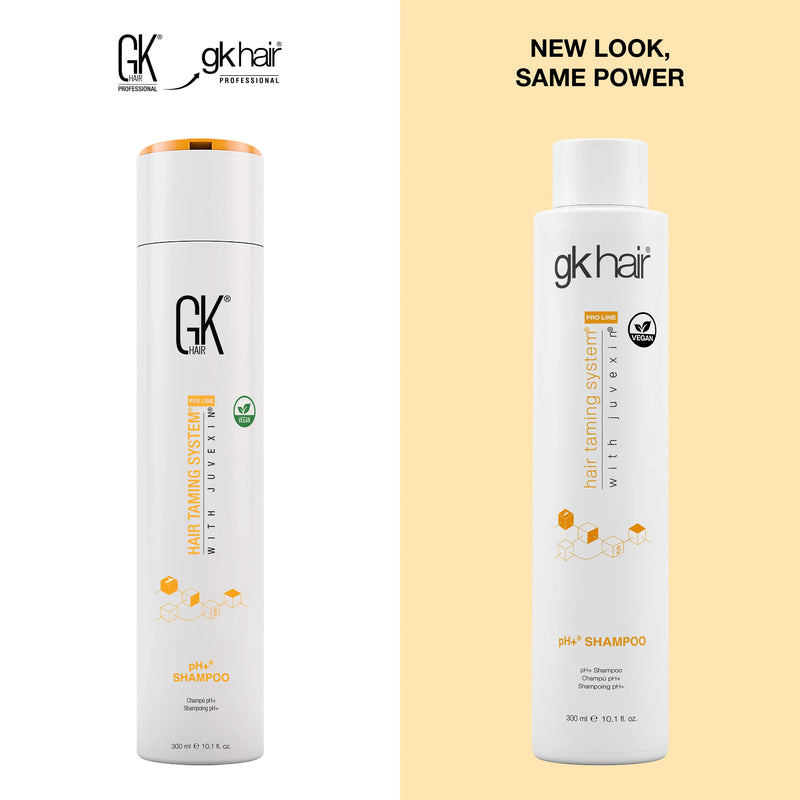
Weekly or bi-weekly clarifying breaks the buildup cycle for good. GK Hair pH+ Shampoo goes deep to remove product buildup and impurities, giving the scalp a genuinely clean foundation rather than a surface-level fix.
Stylist Corner
Experts believe oily hair tends to react to balance, not aggression. A gentle scalp shampoo, a light conditioner for the hair strands and a weekly buildup removal achieve more than increasing the frequency of hair washing ever will. Once the scalp is no longer over-stripped, the roots will generally remain fresh for a longer period of time.
How Product Buildup Makes Hair Look Greasy
Accumulation is a major concern in hair health. When styling products, dry shampoo residue and environmental pollutants collect, they weigh down strands and block healthy movement. To clear this, you need to engage in a periodic clarifying wash. GK Hair pH+ Clarifying Shampoo cleanses hair and washes off all the impurities and product buildup.
It contains Juvexin, a keratin anti-aging protein mix that rejuvenates hair to its youthful state and protects it against future breakdown. It is a shampoo that removes buildup without damaging the keratin bonds of the hair strands. It makes hair light and restores its natural movement.
Start by wetting your hair, then massage the clarifying shampoo into it and lather. Let it sit on the hair for 1-3 minutes before rinsing.
The Relationship between Hair Follicles and the Formation of Oil
Every strand is formed out of a follicle attached to an oil gland. In cases where such glands are overactive, they produce excess sebum than is required. This does not necessarily imply the existence of a problem. Sometimes it is simply your body maintaining protection.
Factors affecting this include:
- Hormones
- Stress
- Climate
- Genetics
- Diet
Healthy scalp management is aimed at achieving balance instead of getting rid of oil.
Final Thoughts
“Why is my hair so oily” is rarely just one problem. It’s usually your scalp type, a few habits and the wrong products all running at the same time. Sort the routine, give it time and lean on GK Hair’s Balancing and Clarifying products along the way. Fresher, lighter hair between washes isn’t far off.


Leave a Comment