


Flyaway strands, static galore, and a comb that catches every couple of inches: these are all signs of dry hair. One quality dry hair treatment will solve both issues simultaneously by replenishing lost hydration and repairing the cuticle that lets it escape. GK Hair stylists in over 75 countries have witnessed broken and damaged hair return to life within weeks with this simple pairing. Your hair didn't become dry overnight, and it won't fix itself overnight either.
What Causes Dry Hair?
Dry hair typically occurs when there is some damage or lifting of the cuticle, allowing moisture to escape more quickly than it can be replenished. Some of the most common culprits are heat styling, chemical processing, and drying weather.
Genetics and low production of natural oils also contribute to dry hair. Dry hair treatment that will benefit everyday dry hair will vary from the intense repair needed for chemically processed hair. Here are the most common causes of dry, brittle hair:
Common Signs of Dry Hair
-
Hair feels straw-like or rough after you condition it
-
Hair tips appear frayed or split, or lighter in color than the rest of the hair strand
-
Static electricity and flyaways appear even in low-humidity climates
-
Hair requires more time to brush or comb through than normal
-
Hair color appears faded or dull after only a few weeks of a salon visit
Why Hair Loses Moisture
Hair traps water in its cortex, or inner layer. Your cuticle, the outermost layer made up of overlapping scales, determines how much water escapes. Heat styling tools, bleach, and sun exposure raise or remove those scales, allowing water and natural oils to slip out of the hair shaft quicker than the scalp can replenish them.
According to a review of hair cosmetics studies published in the International Journal of Trichology, chemical processing also removes lipids, or fats, from the cuticle that help protect against moisture loss. That's one reason why chemically bleached or relaxed hair tends to feel drier than virgin hair of the same length. Curly and coily textures are especially susceptible because scalp oil has a more difficult time traveling down a curled shaft.
Dry Hair vs. Damaged Hair
Dry hair and damaged hair aren't necessarily the same thing. Dry hair is hair without moisture. Dry hair can typically be remedied within weeks with a regular hydration schedule. Damaged hair is one layer deeper: the inner structure of the hair has broken down.
Damaged hair needs protein to rebuild itself as well as moisture. It also takes longer to repair damaged hair. Hair can be both dry and damaged simultaneously. This is common with over-processed hair from multiple rounds of coloring or heat styling. It's this combination that usually requires the deepest treatment.

Understanding Your Hair's Porosity
Porosity is how well your hair's cuticle allows moisture to penetrate. It also determines what type of dry hair treatment will work for you. If you have low porosity hair, your cuticles are so tightly closed that they repel water and products. These products will lie on top of your hair instead of being absorbed.
High porosity hair has gaps or raised cuticles. This allows the hair to absorb moisture quickly, but it also escapes from the hair just as quickly. Figuring out which category your hair falls into can save you money on products that won't work for you.
How to Check Your Hair's Porosity
Put a clean hair strand in a glass of room-temperature water. Hair that floats after several minutes is typically low porosity, and hair that sinks within a reasonable amount of time is usually high porosity. While genetics will determine your starting point, heat damage and chemical processing, such as bleach and color, will eventually increase porosity.
This is just one reason why two people with the same type of hair may require very different care regimens. Hair porosity affects not only how hydrated your hair feels but also how well hair color and styling products will work, so it's worth it to find out, even if moisture is the only issue you're concerned with. GK Hair stylists use a version of this same check with new clients, since guessing at porosity wastes both time and product.
|
Porosity Type |
Cuticle |
What It Needs |
Watch Out For |
|
Low porosity |
Tightly sealed, resists moisture |
Lightweight, water-based products; gentle heat to help products absorb |
Product buildup from heavy oils and creams |
|
Medium porosity |
Slightly raised, absorbs and holds moisture well |
Standard maintenance, occasional deep conditioning |
Usually the easiest to manage, so avoid over-treating it |
|
High porosity |
Raised or gapped, absorbs and loses moisture fast |
Richer leave-ins, oils, and protein treatments to seal the cuticle |
Over-washing and skipping sealants, which speeds moisture loss |
How to Choose the Best Dry Hair Treatment
Coarse, chemically relaxed strands often require a heavier dry brittle hair treatment than fine virgin hair. Relaxed hair has been through a harsh chemical process that has stripped it of its natural elasticity.
When choosing dry hair treatment products, choose jojoba oil, argan oil, or a keratin protein like Juvexin (GK Hair’s proprietary protein blend, a non-hydrolyzed keratin that penetrates the hair cortex and coats the outer cuticle) near the top of the ingredient list rather than mineral oil or silicone. Both mineral oil and silicone will sit on top of your hair and not penetrate the strand to provide any moisture. If you’re weighing budget against results, egg or mayonnaise offers a low-cost protein boost, while Juvexin in the Deep Conditioner penetrates further for chemically processed or severely damaged hair; for frizz control, coconut oil is the accessible pick against the Argan Oil Serum for daily, all-hair-type use.
Protein vs. Moisture: What Your Hair Actually Needs
Hair that feels mushy, stretches significantly when wet, and loses its curl pattern very quickly tends to be protein-deficient. Hair that feels rigid, snaps when bending, and looks straw-like even after conditioning is typically lacking moisture or suffering from protein overload.
For the majority of dry hair types, starting with a moisture-centric regimen, then followed by a protein treatment every few weeks if hair continues to feel weak after implementing moisture, is key. Rotating between the two, instead of choosing one or the other and using that method indefinitely, is how you maintain a balanced dry hair treatment regimen in the long run.
Salon vs. Home Treatments
Salon treatments can penetrate deeper and have longer-lasting effects because the stylist can control the application of heat and processing time. For example, GK Hair stylists may recommend coming in for a professional deep conditioning treatment or keratin service every few months if you have severely dry or chemically treated hair, while using an at-home regimen for maintenance in between.
That being said, doing a dry damaged hair treatment at home from start to finish can still have a benefit. Combining this with a short list of changes to your daily routine is typically what will yield the best results between salon visits.
The Dry Hair Treatment Routine: Step by Step
No single product works quite like a good routine. You have to add moisture, seal it in, and then protect it, in that order. Here's an easy four-step dry and frizzy hair treatment using our core products.
-
Step 1: Cleansing. Wash your hair with a sulfate-free, moisturizing shampoo that cleans hair without stripping it of natural oils. The Moisturizing Shampoo and Conditioner is best for normal to dry, coarse hair and can be used two to three times a week on most dry hair types. However, many textured or curly-haired folks find that their hair benefits from being washed less often than that.

-
Step 2: Deep Conditioning. Deep condition once a week. After shampooing, apply a deep conditioning mask in place of your typical conditioner. GK Hair Deep Conditioner contains Juvexin V2 and natural jojoba seed oils. Best for dry, damaged, or chemically processed hair, GK Deep Conditioner is applied post-shampoo and left on the hair for fifteen to twenty minutes before rinsing. You can find a complete list of ingredients on the product page, should you want to cross-reference with other products you are using.

-
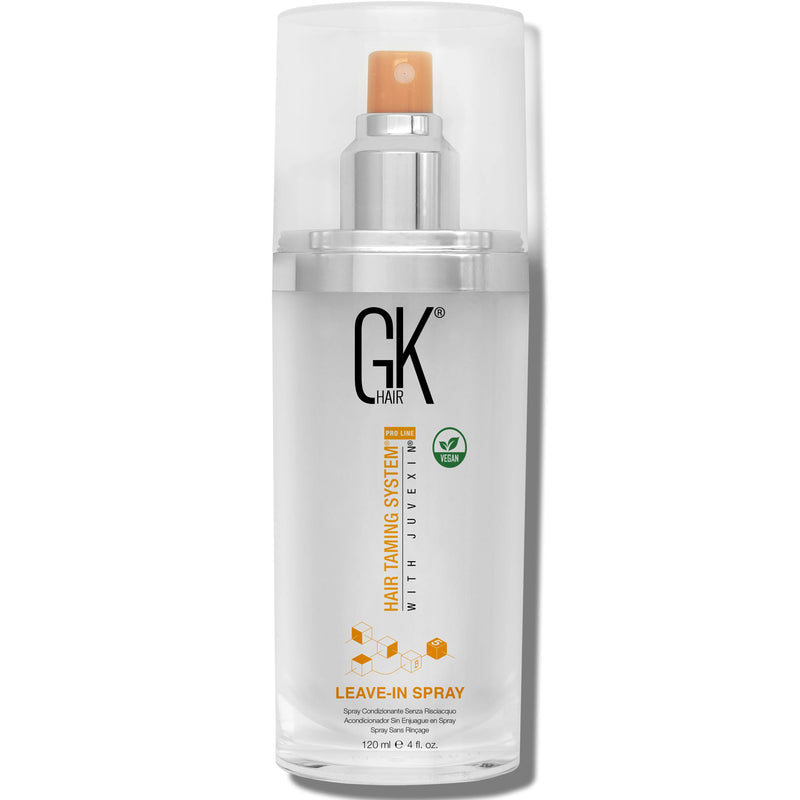
Step 3: Leave-In Sealant. Apply a leave in treatment for dry hair to lock in the moisture from steps 1 and 2 while your hair is still damp. Our Leave-In Conditioner Hair Spray works best on fine hair that requires a light hydration, while the richer Leave-In Conditioner Hair Cream works better on thick or highly damaged hair that needs extra detangling ability.

-
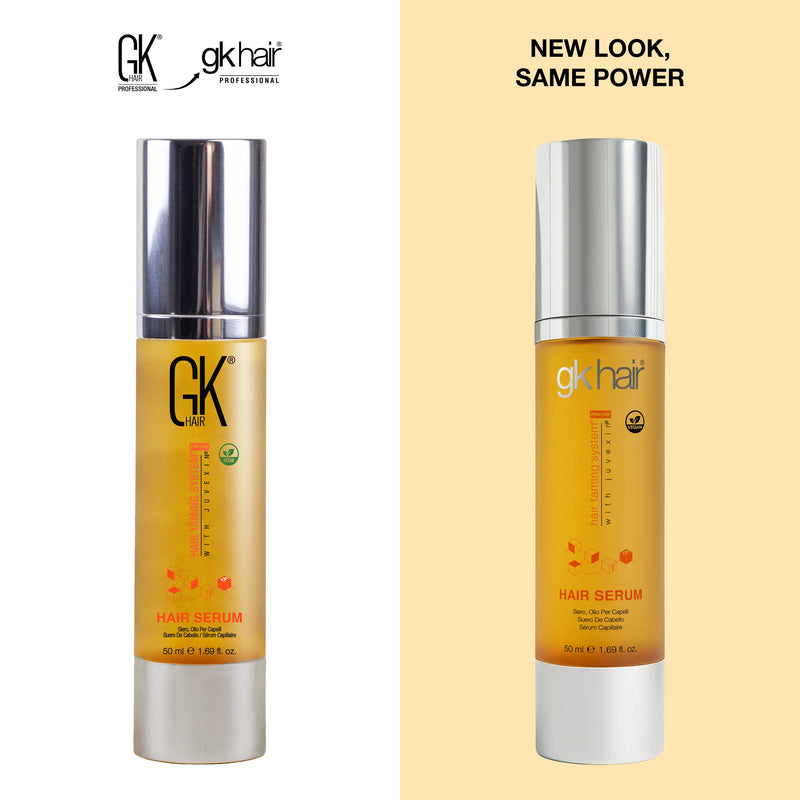
Step 4: Oil Finish. Apply to damp or dry hair with just a few drops of oil, working from mid-length to ends. Our Argan Oil Serum is perfect for all hair types in need of lightweight shine and frizz control without the weight. It's also great for a quick midweek refresh on dry ends.

Salon owners who use this regimen regularly, GK Hair stylists included, can actually see the contrast when they do this treatment in-shop. It's apparent in the rinse: if hair is dry and porous, the water turns murky as soon as you add the conditioner to it. With healthier hair, you'll notice clear water after only a few seconds.
Just how quickly you'll see results will vary depending on the culprit causing your dryness. Mild dryness caused by environmental factors will typically show improvement within a couple of weeks of regular use. Chemically treated hair or severely dry hair will take longer, usually around the four-to-six-week timeframe mentioned above for severe dryness.
Natural and At-Home Treatments for Dry Hair
Your DIY dry doesn't need to come from a bottle. There are pantry and kitchen ingredients you can use to aid in a dry hair treatment at home. However, consider these as a supplement to prolong your regimen, rather than a regimen itself.
Oil Treatments
Heated-up plant oils (coconut, argan, or olive oil will do) are the most traditional oil treatment for dry hair. Massage warm oil onto your mid-lengths and ends, allow it to sit for twenty to thirty minutes, then shampoo it out.
It's the best hot oil treatment for dry, damaged hair you can do without setting foot outside. Avoid putting oil directly on your scalp if you have fine or low porosity hair, as it can cause it to become weighed down.
Mayonnaise Treatment
Masking hair with mayonnaise for dry hair treatment is another age-old DIY home remedy. Mayonnaise owes its usefulness for treating dry hair to its oil content, not to its egg protein. The egg protein in mayonnaise will not penetrate the hair shaft as a dedicated protein treatment can.
Mayonnaise can impart a temporary softness and slip to hair if applied and left on for fifteen to twenty minutes, then rinsed out thoroughly with cool water (to prevent egg from cooking in warm water). This can be used as a sensible, all-natural treatment for dry hair every once in a while in between deep conditioning treatments.
Keep in mind it can be messy, smell like eggs if you don't rinse it out well, and works better as a supplemental treatment every now and then rather than an every-time replacement for a dedicated deep conditioner.
DIY Moisturizing Masks
Blend together mashed avocado, honey, and one spoonful of yogurt for an easy moisturizing mask you most likely already own. Honey is a humectant that draws moisture into your hair. Avocado contains fatty acids that help improve texture. Apply your DIY mask and allow it to sit under a shower cap for twenty minutes. Rinse the mask out and apply conditioner.
How to Use Overnight and Pre-Shampoo Treatments
When it comes to moisture, timing is just as important as the products you use. There are two tricks that, when done correctly, can significantly increase your hair’s moisture retention.
Overnight Masking
An overnight hair treatment for dry damaged hair allows a deep conditioner or oil to penetrate for hours instead of minutes. This is particularly important for high porosity or chemically treated hair.
Apply your moisturizing treatment to clean, damp, or dry hair, twist up, and wrap with a silk or satin scarf to keep your hair and pillowcase protected. Wash your hair as normal in the morning. Use this method once a week or every other week. Daily overnight hair masks can lead to product buildup and weigh your hair down.
Pre-Shampoo Routine
A pre shampoo treatment for dry hair is meant to be applied to dry hair fifteen to thirty minutes prior to shampooing. Also known as a pre-poo. The purpose is to provide a sort of buffer between the cuticle and the detergents found in cleansers.
Both oils and rich conditioners can be used. This method is great for high porosity hair or curly hair that feels stripped out after shampooing. Be sure to rinse this out before continuing with your shampoo and conditioner.
How Often to Use These Treatments?
Weekly is a good frequency to start with for both overnight masking and pre-shampoo treatments. Feel free to back off every other week when your hair feels right. If your hair tends to stay consistently mushy or too soft, take a break that week and skip it.
Treating Extremely Dry Hair and Dry Ends
Others require extra attention, such as bleached hair, heat damage, or neglected hair over several months.
Split Ends vs Dryness
Split ends and dryness are often grouped together, but their solutions are very different. Dry hair will improve by applying moisture, and with continued care, you can see results in just a few weeks.
Split ends are caused by a combination of factors (mainly heat, over-brushing, and chemical abuse), and once they occur, there is no product that can magically bind the hair ends back together again. A dry hair ends treatment can mask them with a leave-in or serum until you're able to trim them away.
When to Trim
Haircuts prevent split ends from traveling up the hair shaft and causing more damage. Six to eight weeks is a good average for most individuals. However, if your hair is growing out of heat or chemical damage, you may want to get haircuts every six weeks. Trying to avoid haircuts to grow out your hair almost never works because the splits continue to split up.
Intensive Hydration for Severely Dry Hair
An extremely dry hair treatment regimen typically includes more frequent deep conditioning sessions (think every other day instead of weekly), and putting all heat styling and chemical services on hold for a bit.
Putting a leave-in under an oil, instead of one or the other, adds an extra barrier against moisture loss for hair this seriously damaged. Remember that it will take time, so allow four to six weeks of good maintenance before you notice a difference in your hair's texture.
Preventing Dry Hair in the Future
No matter how strong your arsenal of hair-care products is, daily habits can undo all that hard work. Making a few small changes will have the biggest impact on how effective your dry hair treatment regimen is long-term.
-
Wash with lukewarm instead of hot water, as heat can open up the cuticle and dry out your natural oils.
-
Limit heat styling to two or three times a week, and use a heat protectant spray or serum before blasting your hair with heat.
-
Wear a swim cap and rinse your hair immediately after swimming to minimize contact with chlorine and salt.
-
Replace your cotton pillowcase with silk or satin to decrease friction while you sleep.
The American Academy of Dermatology (AAD) advises washing less frequently if you have dry or textured hair that tends to be dry (straight hair tends to get oily more quickly than dry). They say you can get away with washing curly hair every two or three weeks, depending on your hair's reaction.
This contradicts what most people are accustomed to, which is washing their hair daily. The experts also say to apply shampoo primarily to the scalp and not run it through all the way down the hair.
For dry or curly hair specifically, be sure to apply conditioner to the full length of your hair and not just the ends. Diet can even affect hair health, since hair is mostly made of protein. So feed your scalp plenty of protein, healthy fats, and iron for the best results.
Seasonal Adjustments
Dry hair is seldom one condition year-round, and any dry hair treatment regimen that doesn't account for seasonal changes is only half-complete. Dry air indoors heated during winter robs the air of humidity year-round, so weekly deep conditioning treatments and a bedroom humidifier are extra-important between November and March than they are during summer months.
Summer has its own stresses in the form of UV rays, chlorine, and salt water. Rely more heavily on protecting hair with a swim cap when possible, as outlined above, and look for a sunscreen-SPF-rated leave-in conditioner or serum to use on pool or beach days.
Stylist's Corner
If a client is struggling with their hair and a deep conditioner, comb through the mask while it's still in their hair. Use a wide-tooth comb and concentrate on the mid-lengths. It helps distribute more product than your fingers can and detangles before the tangles set. Most people never think to do this at home.
FAQs
What is the best hair treatment for dry hair?
A moisturizing shampoo, weekly deep conditioner, and leave-in sealant used together will work better than any one of those used individually. Your hair type and porosity will figure into which formulas you use, but that three-step process applies to nearly everyone. Our Moisturizing Shampoo and Conditioner, along with the Deep Conditioner, hit the basis of those needs.
Can dry damaged hair be repaired?
No. Once the cuticle or cortex breaks down, hair cannot repair that damage on its own, since hair is not alive. Maintenance can only control what happens next: protein and moisture treatments improve texture and shine, protecting new growth prevents further damage, and regular trims remove what can't be saved.
Why is my hair dry and frizzy even after conditioning?
Regular conditioner rinses out and only coats the outside of your hair. Frizz that returns quickly often means hair needs a deeper treatment, better sealing, or a look at its porosity. High-porosity hair loses conditioner's benefits fast because it cannot hold onto moisture. A leave-in or oil applied after shampooing helps lock in what the conditioner already added.
Should I leave a hair treatment on overnight?
Yes, overnight is fine for most deep conditioners and oils, as long as hair is covered with a silk or satin bonnet. Once or twice a week is enough for most hair types. Leaving treatments on nightly can work against you, since hair can turn limp and over-moisturized with no bounce or hold.
How do I treat extremely dry hair fast?
There isn't a true overnight fix, but a same-day deep conditioning treatment left on for twenty to thirty minutes under a warm towel, followed by a leave-in and oil, gives the fastest visible improvement. Expect a softness boost right away, with full recovery taking several weeks of consistent care. Trimming damaged ends also makes hair look healthier immediately.
Start Your Dry Hair Recovery Today
Dry hair cares about routine, not miracle workers. Choose the step that correlates with your largest issue; be that damaged cuticle, overdue trim, or hair care routine that never advanced past shampoo and conditioner. Our hydrating and repair bundles are designed to aid you in exactly this type of dry hair treatment, wash after wash. Explore the Heat Damage Correction collection and try the routine for four weeks before dehydration.


Leave a Comment