


Your highlights were flawless three weeks ago, but now appear brassy under certain lighting. Believe it or not, people typically choose between hair gloss vs glaze incorrectly. They both bring back shine, but on completely different time frames. Let’s explore the true difference between gloss and glaze so you can choose the right one.
What Is Hair Gloss?
Hair gloss is a demi-permanent color that uses ammonia to open the cuticle slightly to deposit pigment before re-closing the hair strand to create shine. Technically speaking, colorists use gloss to correct brassiness, rejuvenate fading color, or blend out roots. It can be applied to virgin hair as well as color-treated strands.

Gloss formulations focus on shine- and softness-enhancing ingredients instead of the stronger chemicals found in permanent dye. That’s why hair tends to look smoother after your gloss appointment rather than stripped or damaged. Gloss typically lasts between three and six weeks and fades gradually instead of overnight.
Our proprietary keratin protein complex, Juvexin, is infused into our color and treatment formulas. Our products are salon-exclusive and used in over 75 countries worldwide, which is why you can trust a GK Hair-trained colorist to recommend the best gloss formula for you, whether you have straight hair, curly hair, or somewhere in between.
What Does Hair Gloss Do?
Hair gloss enhances and brightens your existing color while removing brassiness. It also blends your roots with your previous color and smooths down the cuticle, giving your hair a shine that reflects light like a mirror. Because gloss doesn’t lift color or change your natural tone dramatically, it’s better to view it as a polishing step instead of an actual coloring service.
Many clients experience softer and more manageable hair after having gloss done, because the acid-base solution that deposits shine also smooths down the cuticle of each hair strand.
What Is a Hair Glaze?
Hair glaze coats the outside of the hair shaft rather than penetrating the cuticle layer like hair gloss does. Gloss strips open your hair to deposit pigment, while glaze functions more like a tinted conditioner that adds shine and smoothness to the hair’s surface while imparting just a hint of tone.
Glaze shows up right away because it doesn’t require processing time to develop inside your hair shafts. It fades away after one to two weeks, leaning more towards a wash-out color refreshment than a permanent change.
Glaze is ideal to use between color appointments, when ends might be looking lackluster about a week after washing your hair. Since it doesn’t require the use of a developer, most glaze formulas can be applied directly to hair in the shower, just like you would use a deep conditioning mask.
GK Hair stylists have even refreshed dull, over-toned blonde clients in under ten minutes with nothing more than a glaze worked through soaking wet hair, then rinsed out. No cap is necessary, and you don’t have to time it like you would traditional color; just follow the instructions on the bottle. Ten minutes. That’s about as quick as you can get an answer to the hair gloss vs glaze question.
What Does a Hair Glaze Do?
Hair glaze adds shine, softens brassiness, and smooths frizz without altering your base color in any significant way. It fills in damaged or porous areas of your hair, since it sits on top instead of being absorbed. This is why your hair might feel and look healthier immediately after rinsing out the glaze.
Basically, it’s like a topcoat for your hair color. It makes whatever color you already have look shinier and more finished instead of altering it.
Types of Hair Gloss: Clear Gloss vs. Color Gloss
Not all glosses will change your color. A clear hair gloss actually contains zero pigment. Instead, it functions only to enhance shine and smooth the cuticle, whether applied to virgin hair or color-treated strands.
A color gloss for hair adds color or alters tone while it works, and that’s the formula colorists typically grab when brassiness, fading, or dull roots are the real issue.
While both use the same demi-permanent formula, and fade within that same three-to-six-week time frame, deciding between gloss and clear gloss is simply a matter of determining whether you need color correction or just want an extra shine boost. Ultimately, both fall on the gloss side of the hair gloss vs glaze comparison, distinguished by the presence or absence of color.
Hair Gloss vs Glaze: How to Choose What’s Right for You
Whether you’re considering hair glaze vs gloss for the first time or you’ve tried both options in the past, your choice really depends on two factors. The first is how noticeable you want the treatment to be, and the second is how long you want it to last.
Gloss and glaze are both, at their essence, shine treatments: gloss doubles as a hair toner, whereas glaze is more like a tinted conditioner. The table below outlines the differences between the two.
| Factor | Hair Gloss | Hair Glaze |
|---|---|---|
| Formula | Demi-permanent; a small amount of ammonia opens the cuticle | Ammonia-free; sits on the hair’s surface |
| Processing | Needs developing time in the chair | Effect is visible as soon as it’s rinsed |
| Duration | 3–6 weeks | 1–2 weeks |
| Best for | Toning, brassiness correction, root blending | Quick shine, light tone refresh, smoothing |
| Where to apply | Professional, in-salon service | Salon visit or at-home treatment |
| Typical cost | About $50–$100 in-salon | About $10–$30 for an at-home kit |
If your primary concern is brassiness or color you don’t recognize since your last salon visit, go with a gloss for a stronger solution. Opt for a glaze if you simply want to enhance shine or go lighter between salon visits without making another appointment.
Pricing follows this logic as well: gloss runs roughly $50 to $100 at a salon, depending on where you live and which salon you go to. At-home glaze kits typically range from $10 to $30.
Whichever route you choose, glaze vs gloss doesn’t require a long-term commitment. Both fade away over time, so you don’t have much to lose if you try the other treatment at your next appointment. Using either treatment alongside color-safe haircare products will keep your color from fading prematurely.
Is Hair Gloss the Same as Hair Glaze?
No, hair gloss and hair glaze are two different treatments, even though salons may use the terms interchangeably. Gloss is a demi-permanent service that opens the cuticle to deposit color, while glaze is temporary and ammonia-free and coats only the surface of the strand. Because of this difference, you can expect gloss to last several weeks longer than glaze.
How Long Does a Hair Gloss Last?
Hair gloss generally lasts between three and six weeks. The frequency of shampooing and the use of sulfate-free shampoo can affect how long gloss will last. Using hot water and shampooing daily will fade the color more quickly. Cooler water temperature and color-safe shampoo extend gloss longevity closer to six weeks. Coarse or curly hair tends to retain shine slightly longer than fine, straight hair.
How Long Does a Hair Glaze Last?
Hair glaze will often fade in as little as one to two weeks. The color and shine never penetrate the hair shaft; they simply sit on top of the hair. Hot showers, washing your hair often, and sun exposure will cause it to fade faster. Since the glaze fades so rapidly, the only way to retain the look is to reapply it frequently, which is why glaze formulas are designed to work well at home.
Does Hair Gloss Wash Out?
Yes, gloss will wash out on its own. It just takes time instead of happening all at once. Each time you wash your hair, you lose a little bit of the pigment, so your hair color and shine fade gradually instead of leaving an obvious line like permanent dye grow-out.
By the time you have three to six weeks of growth, most of the tone is gone evenly enough that applying another gloss just refreshes it instead of masking obvious growth. That gradual fade is one of the differences between hair gloss vs glaze, since glaze will be gone within days instead of fading gradually over weeks.
Does Hair Gloss Cover Gray?
No, gloss will not completely cover grays like a permanent color would. It can camouflage a small amount of gray within your natural color. Hair gloss deposits a sheer wash of color that will blend gray into your base color. Gloss will tone down the contrast between your gray and base color, but it won’t cover it.
If you have more gray that needs complete coverage, talk to your colorist about a permanent or demi-permanent color service. Use gloss for the shine and tone step afterwards.
Hair Glaze for Gray Hair
A hair glaze covers even less gray than a gloss because it never opens up the cuticle. To break it down further: glazes, colored or clear, do not offer gray coverage, because the pigment used in glazes simply overlays the hair strand rather than masking its natural pigment.
That said, glaze can still soften the texture and dullness of grays if that’s your goal, which is why some people opt for glaze for the smoothing benefits alone. But if true gray coverage is what you’re after, you’ll want to stick with gloss or even a permanent hair color.
Hair Gloss for Curly Hair
When it comes to adding gloss to curly and coily hair, there are a few benefits. Gloss will not loosen or disrupt your curl pattern the way a lightening service can.
Since curly hair tends to be more porous than straighter hair, it will also feel extra conditioned after a gloss treatment. The gloss ingredients often leave coils feeling softer and more defined immediately after rinsing. To get the most out of gloss, ask your colorist to apply it to stretched or detangled strands rather than in the curl’s natural memory.
This allows the shine and color to distribute to every strand rather than coating the outside of each curl. Whether you have tight coils or loose curls doesn’t change whether you should get a hair gloss vs glaze, but it can change how your colorist should apply it.
Can You Do a Hair Gloss or Glaze at Home?
Glaze, yes; gloss, only if you’re careful. Though most glaze formulas rinse out easily in the shower, colorist Quia Querisma tells NBC Select that a true gloss done at home actually involves mixing demi-permanent color with developer.
If you don’t get the ratio just right, it can leave hair patchy and unevenly colored. If you’re not comfortable mixing color at home yourself, your best bet is a pre-formulated gloss mask.
Hair Glaze at Home
A hair glaze treatment is one of the simplest color services to do at home, since there’s no developer involved. To glaze hair, start with clean, soaking-wet hair, apply the formula from mid-lengths to ends, and rinse out once the timer on the bottle instructs you to.
That will be somewhere between five and twenty minutes, depending on the brand. You also don’t need a cap, heat, or any special ratios to stress about.
Best At Home Hair Gloss
Again, your best bet is a pre-formulated, ammonia-free gloss meant to be used alone in one easy step. Find a low-pH, acid formula with conditioning ingredients like keratin or plant oils that will seal the cuticle closed instead of roughing it up.
If you’re looking to shift your tone rather than simply adding shine, opt for a tinted formula instead of clear.
What’s the Best Hair Gloss Treatment for You?
Within hair gloss, there is no single best hair gloss for every situation. The “best” product depends on what problem you need to solve. If you need coverage for brassiness or a color shift that has changed your shade significantly, you’ll want a colored gloss formulated to your exact tone by a colorist.
A box option simply won’t compare. If you’re just looking to soften your grays or add shine without altering your color at all, go clear. You won’t have to worry about choosing the right shade.
Once you know whether you want clear or colored, you can judge whether you need that level of control from a salon visit or an at-home treatment. Essentially, it’s the hair gloss vs glaze decision broken down one step further, only within glosses themselves.
Hair Glaze Before and After: What to Expect
Untreated hair that needs a glaze typically appears flat when it catches direct light. It can also feel textured to the touch from styling products or daily manipulation. Hair after a glaze tends to look noticeably shinier and more reflective within minutes of application.
Treated hair also feels smoother and may benefit from just a hint of added tone if you choose a tinted option. Because it’s a finish-enhancing treatment and not an actual color formula, don’t expect your results to turn heads as if you just changed your shade.
Dramatic color changes are what glosses and permanent colors are made for. Remember that comparison the next time you hear someone debating hair gloss vs glaze. A glaze was never created to be used in place of a true color service.
How to Make a Gloss or Glaze Last Longer
No matter which side of the hair gloss vs glaze debate you fall on, sticking to a few habits will prolong your finish.

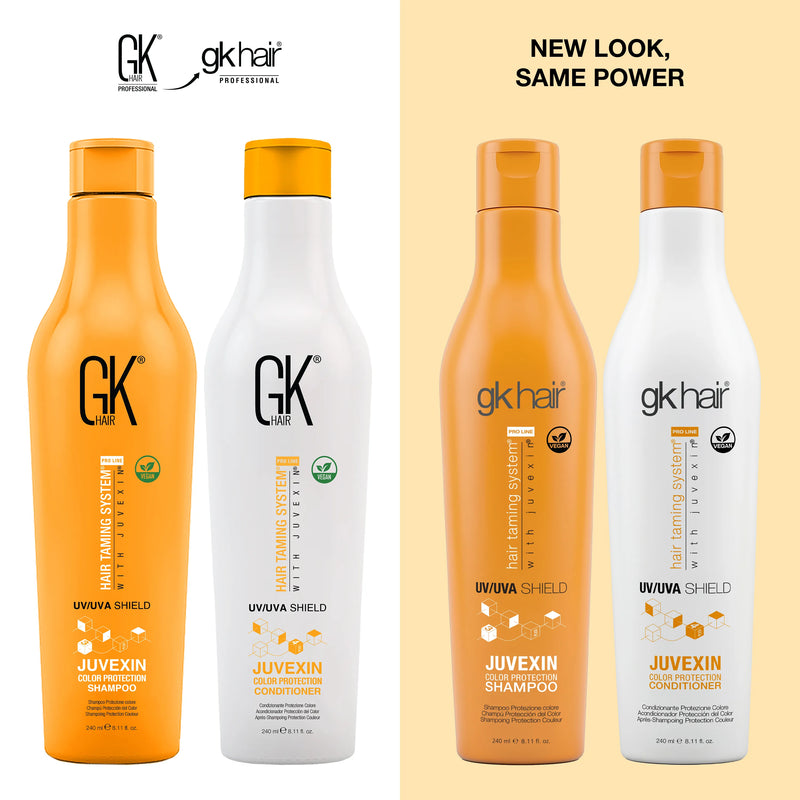
- Swap your shampoo and conditioner for GK Hair Shield Shampoo and Conditioner the day after your appointment. Formulated specifically for color-treated hair, Shield contains UV filters that help slow fading, so use a coin-sized amount and work it through wet hair each time you wash. Best for: color-treated hair that needs daily protection against UV rays and fading.
- Rinse with cool water. Hot water does the exact opposite; it opens up the cuticle and washes out your pigment quicker. Using cool water throughout your shower routine allows your gloss to hold onto its six-week lifespan.
- Avoid washing your hair as often by using dry shampoo at the roots when you need a midweek pick-me-up. Not only will this stop you washing away your glossy coating as often, dry shampoo also absorbs excess oil at the scalp that would otherwise force you to wash sooner. Be sure to brush it through to the ends.
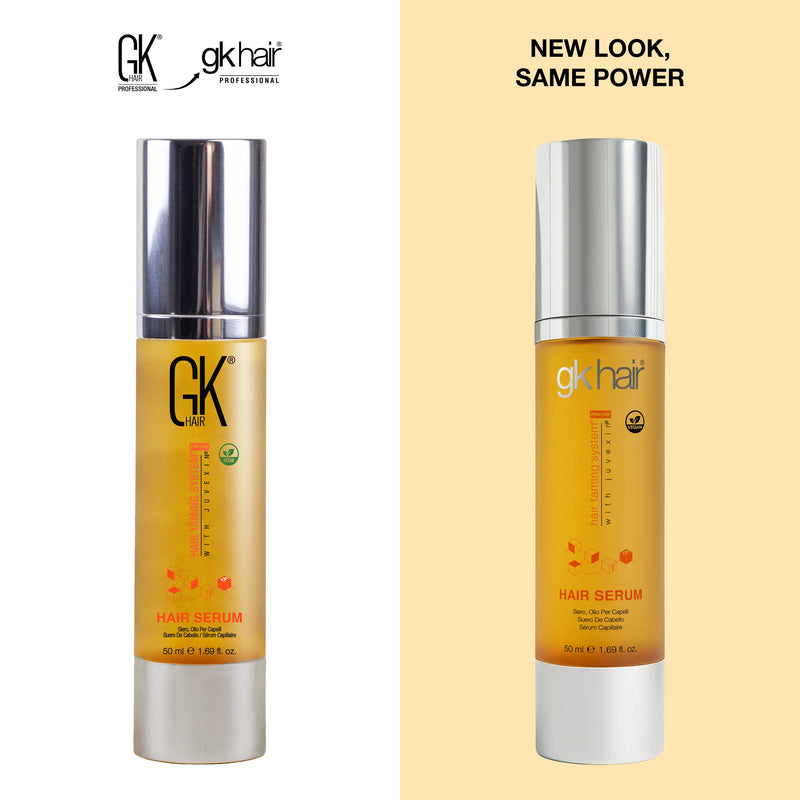
- Apply a lightweight shine oil to amp up your luster between salon visits. Rubbing a dime-sized amount of the Argan Oil Serum between your hands and running it through mid-lengths to ends on damp or dry hair will help extend that reflective finish, two to three times a week. Best for: all hair types wanting added shine and flyaway control without the weight.

Once a week, use a clarifying shampoo for colored hair if you’re noticing dullness between treatments.
Stylist’s Corner
Ask your colorist to add gloss to hair that’s not freshly washed, but styled as you left it on day two. The slightly oily film left behind on the cuticle from day one allows the color to spread evenly across the hair. It also prevents it from clinging too strongly to the dry ends, which is the number one reason gloss ends up looking splotchy by week three.
If you’re double-booked with a smoothing treatment, GK Hair artists will generally wait for keratin treatments on colored hair to completely cure before adding gloss, as applying the services in the proper order helps ensure one doesn’t compromise the other.
Frequently Asked Questions
Does hair glaze fix brassy hair?
You can temporarily soften brassiness with a glaze for about a week or two. The tinted formula works against warm tones that sit on top of your hair. To make it last longer, use glaze alongside purple shampoo between treatments.
Is a hair gloss damaging to hair?
No, demi-permanent gloss is much gentler than permanent color or lightening. It lifts no natural pigment, so it is very gentle. Most demi-gloss formulas are acid-based, so they smooth down the cuticle rather than raising it like other products. Most people actually find their hair feels softer and shines more right after a gloss.
Can you gloss or glaze over highlights?
Yes, both apply beautifully over highlights, and glossing is one of the most popular ways colorists finish hair right after foils, blending lines and adding dimension. Think of a glaze as doing the same thing at home between salon visits, softening any warmth you may see.
How often should you gloss or glaze your hair?
Most colorists suggest glosses every three to six weeks. The point is to schedule your gloss when your hair starts losing its shine instead of sticking rigidly to the same schedule. You can have glazes more frequently, even weekly, because they don’t process and lift cuticles the way a gloss does.
Does hair gloss work on gray hair?
Yes, gloss works well on gray hair, even though it doesn’t cover it completely. Colorists often suggest using gloss on gray hair in particular, because gloss helps reflect light and smooth out texture. It will not hide gray the way a permanent color would.
Can you remove a gloss or glaze you don’t like?
Yes, both will eventually fade all the way out on their own, because neither one changes your natural color permanently. Washing your hair with clarifying shampoo will speed up the process. If it turns too dark or too ashy before fading, talk to your colorist about a minor correction instead of stripping it.
Gloss, Glaze, or Both: Make the Call
Essentially, hair gloss vs glaze boils down to how intense a transformation you’re looking for and how long you need it to last. Opt for gloss when you need to correct brassiness or achieve deeper toning that will last for weeks. Opt for glaze when you need a quick fix to add shine between salon visits. Browse GK Hair’s Color and Blonde Care collection to maintain either look.




Leave a Comment