


You've probably blamed your products at least once this month. Maybe you switched shampoos, added a mask, cut back on heat. But if your hair still feels off, the problem might be coming from somewhere none of that can fix — your water. A clarifying shampoo for hard water is one of those rare fixes that makes everything else in your routine suddenly start working.
What Hard Water Is Doing to Your Hair Every Time You Shower
Think of hard water less as a water quality issue and more as a slow mineral accumulation problem. Every time you wash your hair, dissolved calcium, magnesium and copper travel with the water directly onto your strands and grip the cuticle surface. They don’t fully rinse off with regular shampoo and can gradually accumulate over time.
Standard shampoo doesn't touch them. The minerals just keep stacking up, wash after wash, until your hair stops behaving the way it used to and you can't figure out why. Chelating agents are what actually break that cycle, latching onto calcium, magnesium, and copper at a molecular level and taking them out with the rinse.
That's the core reason why a clarifying shampoo for hard water works where regular shampoo simply can't.
Four Signs Hard Water Has Already Hit Your Hair
With hard water damage, it mimics other problems almost perfectly. People blame their products, their diet, and the humidity. Rarely does anyone think to blame their tap water. But the signs are pretty specific once you know what you're looking for.
-
Hair that feels dry and gritty right after conditioning.
-
A freshly washed blowout that looks flat and dull before even leaving the bathroom.
-
Shampoo that barely lathers and a scalp that feels like the rinse didn't reach it.
-
Color-treated hair is fading or going brassy way faster than your colorist said it should (largely because copper from older pipes oxidizes on the hair shaft and disrupts pigment)
Hard water minerals create a barrier on your hair, and your deep conditioner doesn’t absorb nearly as well. This is the part most hair care content skips over, and it's the most important thing to understand.
Calcium and magnesium don't just sit loosely on the hair surface. They adhere to the surface and build up into a stubborn film-like layer over time.
Copper too, can contribute to oxidative reactions that may affect color and overall hair condition. When you apply a deep conditioner on top of that buildup, it doesn't absorb. It can't. The mineral wall is in the way. That's why a shampoo to remove hard water buildup isn't a bonus step or a once-in-a-while treatment. It's the prerequisite. You either clear the minerals first or your conditioning routine is running at a fraction of its potential.
How a Clarifying Shampoo for Hard Water Actually Clears the Problem
It comes down to the chemistry.
The negative charge in disodium EDTA binds to mineral ions like calcium, magnesium, and copper. They connect, and the minerals lift off during the rinse rather than staying put until your next wash.
What's left is a hair shaft that's actually clean, with a cuticle that lies flat and a surface that can receive moisture again.
A clarifying shampoo for hard water isn't just a stronger version of your regular shampoo. It's a fundamentally different kind of product doing a different job, and no amount of dry shampoo, hair masks, or heat protectant will replicate what it does.
What to Look for in the Best Clarifying Shampoo for Hard Water
Not all clarifying shampoos are created equal, and some of them are honestly too aggressive for regular use.
A few things to look for:
-
Chelating agents, specifically listed in the ingredients, not just “deep cleansing” language on the label.
-
Disodium EDTA is one of the most common and effective chelating agents.
-
A balanced pH formula to help maintain cuticle smoothness during and after cleansing
-
Moisturizing ingredients, like aloe vera or pro-vitamins, built into the formula to offset the stripping effect.
-
Protein support, particularly GK Hair’s Juvexin V2, for hair that's already showing signs of structural damage from prolonged hard water exposure.
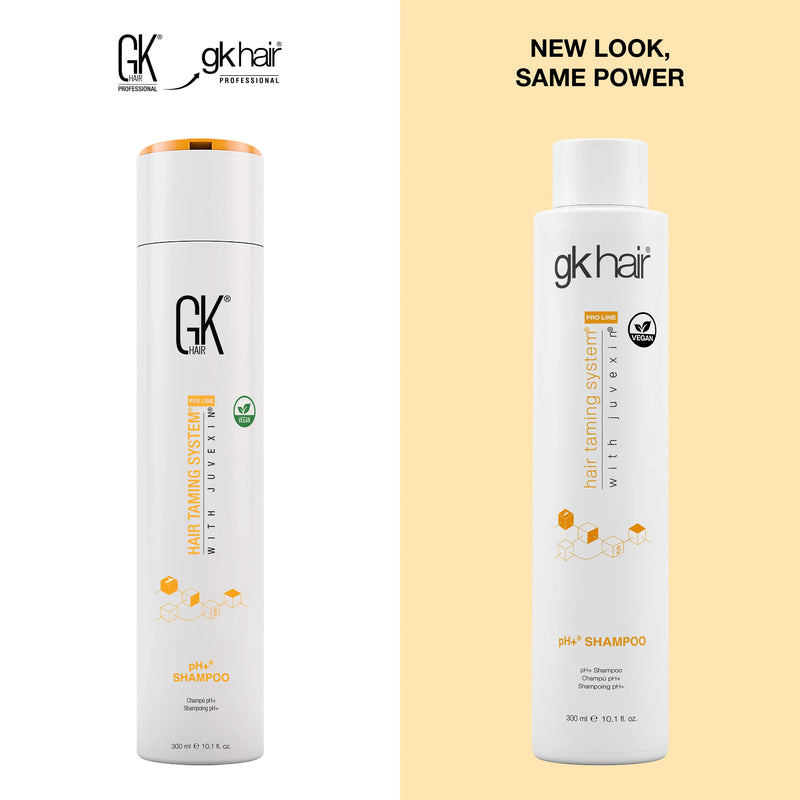
GK Hair pH+ Shampoo hits all of those. The formula has disodium EDTA doing the heavy lifting on mineral deposits, aloe vera and pro vitamins making sure it doesn't go too far, and Juvexin, our signature keratin anti-aging protein blend, reinforces and strengthens the hair fiber, helping support the hair during and after clarifying. It clarifies deeply, and your hair still feels like hair when it's done.

Your Step-by-Step Hard Water Reset Using GK Hair
This is the full routine for getting the most from your clarifying shampoo for hard water. The order matters — each step sets up the next one.
-
Start with hair that's completely saturated, then massage GK Hair pH+ Shampoo on your scalp and give it one to three minutes before you rinse. That time matters because it's when chelating agents bind to calcium, magnesium and copper and actually lift them off the strand. If your hair has been feeling heavy or you haven't clarified in a while, there's no reason not to go twice.
-
Apply a moisturizing conditioner while the hair is still damp. This is the step that actually changes when you clarify first. Apply it only on your lengths. Without the mineral wall, the conditioner gets in. Leave it on for three to five minutes. Use a deep conditioner weekly to restore moisture and repair damage from heat and styling.
-
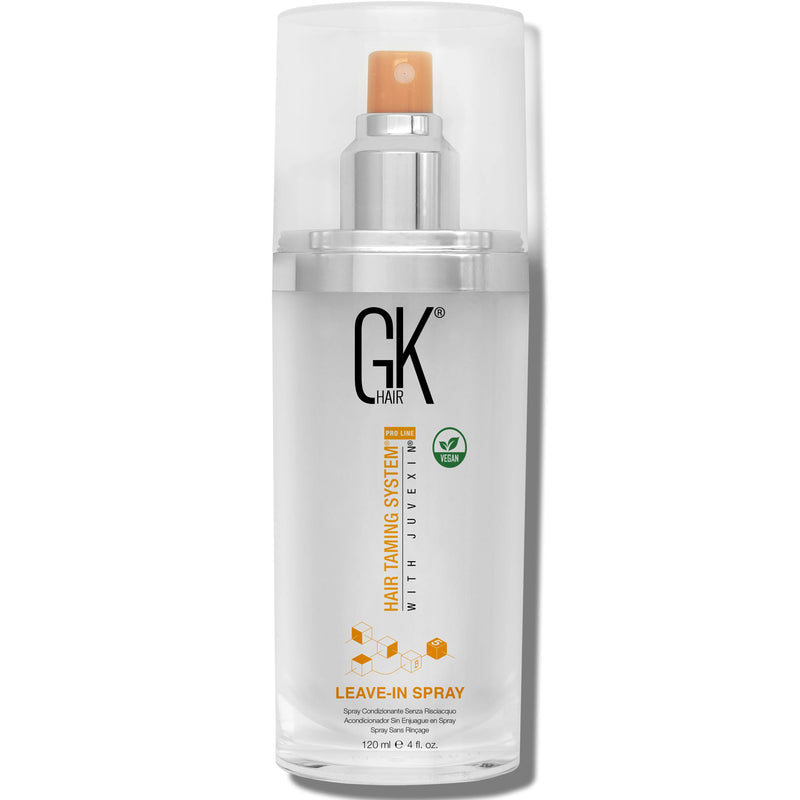
Follow with GK Hair Leave-In Spray on damp hair before drying. It locks in what the conditioner delivered and keeps moisture from escaping as you style.
-
Seal with argan oil serum on the mid-lengths and ends to smooth the cuticle and add the kind of shine that's hard to fake with any other product.
How Often Should You Use a Clarifying Shampoo for Hard Water
How often you clarify comes down to two things: your hair type and how mineral-heavy your water actually is. Those two factors together tell you more than any general rule will.
Cities with heavily mineralized water supplies will need more frequent clarifying. Softer water areas have a little more flexibility.
-
Fine or straight hair: Every one to two weeks. Calcium and magnesium deposits weigh fine strands down noticeably and tend to show up faster than on thicker hair types
-
Wavy or curly hair: Every two to three weeks, always followed by a deep conditioner to keep moisture and pattern definition intact
-
Coily or kinky hair: Once a month or when the hair starts feeling less responsive. Deep conditioning after every clarifying session isn't optional for this hair type
-
Color-treated hair: Every three to four weeks. Copper buildup is a real driver of brassiness, and keeping it off the strand is one of the more underrated parts of color maintenance. If two or three of those feel familiar, a clarifying shampoo for hard water is probably the answer your routine has been missing
-
Oily scalp types: Every ten to fourteen days. Clarifying handles both mineral buildup and excess sebum when used appropriately.
If your current products have stopped performing the way they used to, a clarifying shampoo for hard water reset is probably the first thing worth trying before you go spending money on a whole new routine.
Frequently Asked Questions
Can I Just Use Apple Cider Vinegar Instead of a Clarifying Shampoo?
No, vinegar adds shine and balances your scalp. It lacks the chemical ability to grab onto heavy metals. Apple cider vinegar cannot physically remove copper or calcium from your strands. You still need a proper chelating formula to extract those stubborn minerals.
Will a Shower Head Filter Fix the Problem?
No, shower filters mostly target chlorine. Heavy minerals slip right through standard shower head attachments and onto your strands. Only a true water softener system stops them completely.
Is a Clarifying Shampoo Safe to Use on Hair Extensions?
Yes. Mineral buildup makes extensions tangle and look dull just like natural strands. You can wash them with a chelating product to revive the structure. Just keep the lather away from the tape or glue blonds so the adhesive stays secure.
The One Change That Makes Your Whole Routine Work Better
Mineral buildup doesn't make itself known until your hair has already stopped responding the way it should. Calcium, magnesium, and copper settle onto your strands with every wash, and nothing in a standard routine is built to remove them. A clarifying shampoo for hard water does that job, clearing the film that's been sitting between your hair and everything you apply after it. Once that's gone, your products actually work and your hair starts to feel like itself again.


Leave a Comment