


Taking care of thick hair can be difficult. You often have to spend hours detangling it and then there's frizz and possible split ends. But don't worry; this blog will help you with how to thicken hair and control it. GK Hair Salon's stylists deal with clients with this type of hair daily and know exactly what to do for thicker, fuller hair.
What Is Thick Hair and How Do You Know You Have It?
"Thick hair" or "hair thickness" refers to the width and texture of individual hair strands. Go under the light and hold your hair between your fingers to check its thickness. If your hair is visible and you can feel the texture, it is thick. It is fine if it is nearly invisible and hard to feel.
Sometimes, people confuse hair thickness with density. “Thickness” refers to the diameter of each hair and the density refers to the number of hairs available. If you are unsure, see if any of the following occurs:
-
Your ponytail feels heavy.
-
Hair clips easily slide out.
-
Your hair takes a long time to dry.
-
Stylists often need to section your hair into many parts.
-
Your strands are easily visible when held between your fingers.
Key Difference: Thick Hair vs. Fine Hair
Most people desire thick strands for their fullness and versatility. Dense hair naturally looks full and holds several styles well, providing you more styling options. It protects your scalp from the sun or cold.
It is generally more resilient than thin hair. It resists breakage and split ends better. In fact, your hair thickness can be an indicator of hair health and strength.
How to Get Thicker Hair
Following a healthy hair care routine with protein-rich products and careful styling is how to get thicker hair. Routine application of proper products will build up more volume over time, keep hair from breaking and generate stronger hair from healthy follicles.
Anyone looking to get thick strands must always remember that thickness is influenced by genetics, but proper care can help maximize your hair's natural potential.
1. Regular Scalp Treatment
Regular scalp treatment involves regular cleansing and scalp massage. When a person's scalp is clean and balanced, it will be conducive to hair growth and reduce the incidence of buildup that can weaken the follicles. The frequency of scalp cleansing depends on personal scalp condition and hair type. Generally, dermatologists recommend 1-2 days for an oily scalp, 3-4 days for a normal scalp and weekly for a dry scalp.
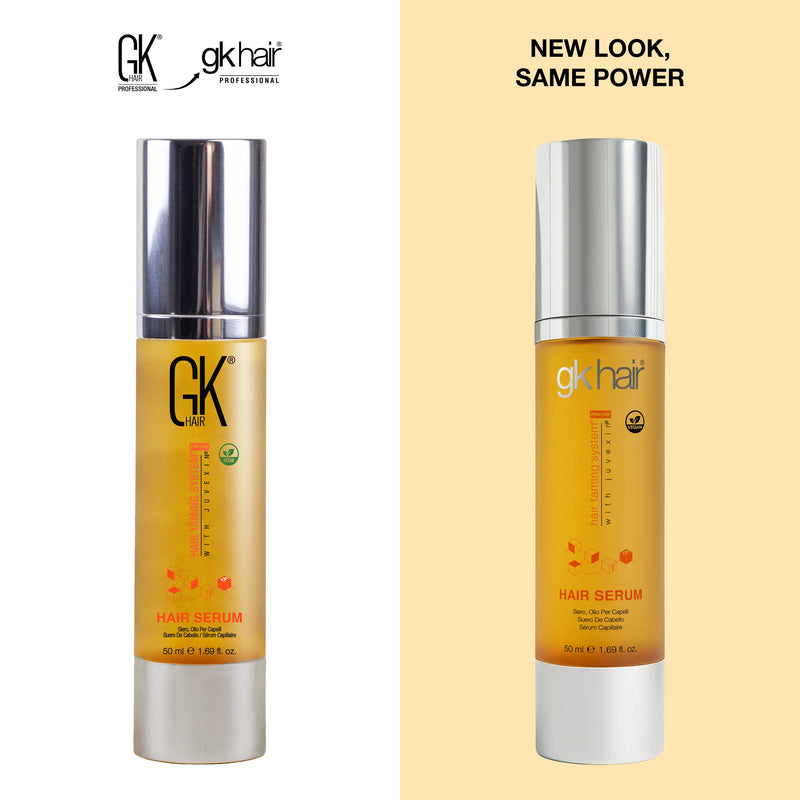
Start paying attention to your scalp care routine if you are wondering how to make your hair thicker. Scalp massaging stimulates hair growth and blood circulation. According to a study on PubMed, massaging the scalp daily over 5 months increased hair thickness. You can use GK Hair’s Argan Oil Serum which is best for scalp massaging.
2. Thickening Hair Products
Hair thickeners can also help you, as long as they contain keratin or collagen (both will make hair thicker and stronger). Do not apply an excessive amount of product, as it will cause weightiness to the hair. Our Styling Mousse is made with lightweight Juvexin protein, which is the protein used by stylists in 75+ countries to create volume in thick hair without the crunchy, stiff finish of traditional styling mousses.
Our VolumizeHer Spray is also best for making flat hair appear thicker, especially for people searching for how to make hair thicker.
3. Improve Your Diet
Your hair reflects your overall health. This means that your nutrition is usually reflected in the state of your hair. Certain types of foods can support healthy hair growth and reduce excessive shedding. Such foods are those rich in:
-
Protein
-
Iron
-
Zinc
-
Omega-3 fatty acids
-
Biotin
-
Vitamins A, C and E
National Library of Medicine research indicates that nutritional deficiencies can have a significant impact on both the quality and growth of hair. A long-term result comes from the combination of a balanced diet and a suitable hair care routine.
4. Brushing Technique
The effect of brushing on hair thickness has two components: the type of brush you use and the technique. Blowing warm air into the roots of your hair while brushing with a round brush adds significant volume to the hair. Here are other techniques that you can try:
-
Begin brushing from the ends.
-
Proceed upward slowly.
-
Use a wide-tooth comb on wet hair.
-
Avoid aggressive brushing.
-
Detangle in small sections.
Stylist's Corner
Our stylists frequently recommend the "twist and release" technique for blow-drying the hair of clients who have thicker manes. With small sections, twist around a round brush and pop in the heat for a maximum of 10 seconds and then untangle as the hair cools. The technique used to provide weight and fullness to the hair without causing it to be too heavy or puffy.
Challenges of Thick Hair (and How to Overcome Them)
Though thick hair is very popular for its fullness and versatility, it's common problems are frizz, dryness, tangles and volume. There are some products and techniques available that let you enjoy healthy, tamed hair, while still maintaining its natural beauty.
Tangling
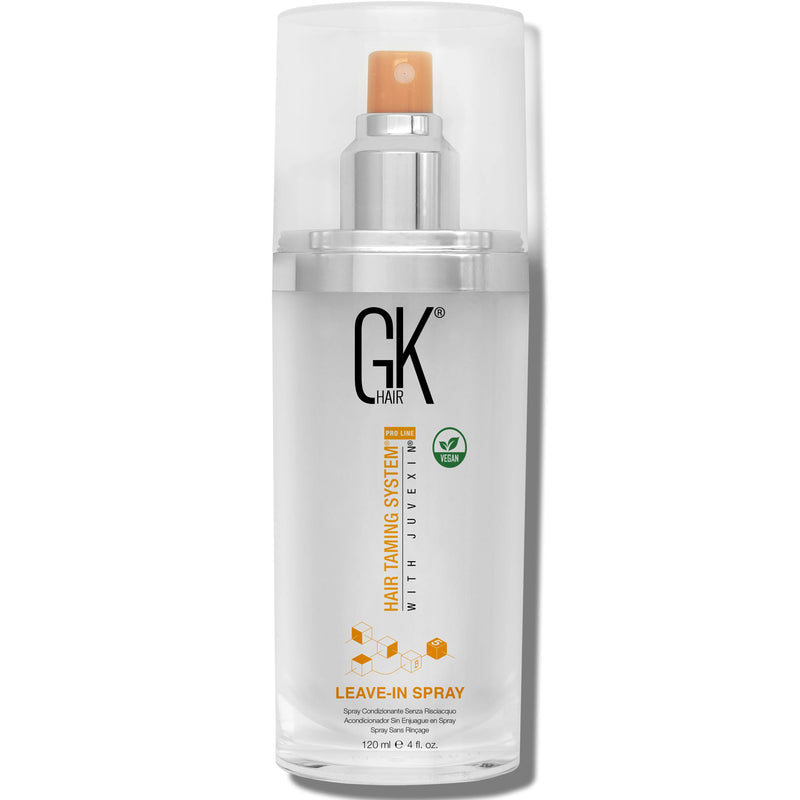
Dense strands tangle easily, especially if they are curly. Detangle with a wide-tooth comb or a wet brush. Apply Leave-In Conditioner to your hair (while it is still damp) before detangling. Wear protective styles like buns, braids, and twists. Use a satin or silk pillow case to avoid tangling while sleeping.
Dryness and Dullness
You've likely seen that your hair is dry or coarse a lot. This is because the long, coarse hair shafts work as a barrier to the easy passage of the scalp oil. This can be addressed by using a hair mask, which will give the hair additional moisture. Healthline's hair care guide suggests that keeping the moisture balance is crucial to improving the texture of the hair and also its breakage.
Frizz
Humid seasons tend to be messy and troublesome for those with thick manes, as their hair can get frizzy and poofy. The answer to this is easy: just tuck in some flyways with a little hairspray and add a bit of leave-in conditioner to your ends to prevent frizziness.
Long Drying Time
Drying this hair type has to be one of the most challenging parts of its routine. There’s just so much mass to dry. The solution to this is to use a microfiber towel or T-shirt (which is softer than a towel). Next, save time by air-drying your hair until it's 80% dry before drying with a blow dryer. The air-drying can be done overnight, so there's minimal blow-drying effort in the morning. If your hair is curly, you may need a diffuser with your hair dryer.
Difficult Styling
Not all hairstyles are suitable for thick, dense hair. You'll need to collaborate with your stylist to obtain the right shape that's excellent for your hair and also matches your style. However, you don't want to have a tight hairstyle. The more loosely styled thick mane is, the healthier it is. Choose styles that allow your tresses to move freely. You may also consider layering your hair if you want to reduce the load.
Best Products for Thick Hair
With the right products, your routine can completely change: less frizz, more shine and easier styling. Instead of using heavy products that weigh your hair down, use lightweight products that provide hydration and control.
-
Argan Oil Serum: Argan oil helps soften frizz, seal moisture and add shine to dry strands. Just a few drops on damp or dry hair will instantly add softness and manageability.
Best for: This hair type needing scalp hydration and shine without weighing strands down; ideal for mid-length massage application.
-
Styling Mousse: This mousse is infused with lightweight Juvexin protein to help add volume while maintaining softness. It creates body and movement without leaving behind crunchy residue.
Best for: Thick, dense hair looking for lightweight volume hold without stiffness or buildup.
-
VolumizeHer Spray: This lightweight spray instantly boosts volume at the roots while maintaining a natural finish. It is especially useful for thick strands that tend to feel heavy or fall flat throughout the day.
Best for: Flat dense hair needing a quick root lift between washes; works on damp or dry hair. -
Leave-In Conditioner Spray: This is a light moisturizing spray that is left on the hair to aid detangling. They also shield hair against damages brought on by the environment and heat styling.
Best for: Dampen your hair before detangling; it reduces breakage and frizz on coarse or curly-thick textures.
What Are the Best Haircuts for Thick Hair?
One of the best structure management options for heavy manes is still layers, as they add volume without bulk. It is particularly effective as it spreads weight across the entire head. Long layered cuts, medium-length styles and textured bobs can all make this kind of hair easier to style and maintain.
-
Long layered cut is a popular cut to choose for thick strands. Layers are an excellent way to minimize weight and add movement and softness to the hair for individuals with thick long layered hair. The hair does not look bulky but looks natural and beautifully frames the face.
-
There are great options for those who like shorter hairstyles such as textured bobs and lobs. These cuts eliminate excess weight and give a nice clean look without excessive styling.
- Another growing trend is thick hair low maintenance medium length haircuts. These are shoulder-length layered cuts that are particularly appealing because they are:
- Easy to style
- Lightweight
- Easily works with straight, wavy, or curly hair
- Versatile enough for casual and formal looks.
The ideal cuts for a thick mane are those that will help to eliminate some of the bulk, yet still allow the mane to remain in motion and retain its shape. Many celebrity stylists suggest layered haircuts for thick hair, as it provides balance and motion. These cuts facilitate easy styling.
Conclusion
Thick hair is naturally beautiful, versatile, and full of personality. But to truly see results, you have to stick to the routine. Whether you opt for the ideal haircuts or perfect your styling regimen or select products to nourish, strengthen, and promote shine while minimizing frizz, there are small steps that can make a difference. Check out our hair care collection to find the products that will help you care for, strengthen and style your thick mane.


Leave a Comment