


Frizzy hair can often be a lot. The dull strands, loss of curl definition, and everything in between. The better news, though, is that frizz can be treated. To get this, it takes understanding the keratin structure of your hair, how hydrogen bonds shape it, and why your hair relies on a protective layer of hydrophobic nature to remain balanced.
What Causes Frizzy Hair
Frizz happens when hair cuticles don't maintain their flat position. The cuticle rises and opens instead of creating a smooth surface that reflects light; this allows the environmental moisture to interfere with the hair’s internal hydrogen bonds. The strand thus expands and loses its original shape, resulting in a puffy appearance.
Disruptions such as these are often caused by:
Humidity (or Other Environmental Factors)
This is among the major causes of frizzy hair, particularly in summer. The moisture levels in the air tend to be higher (i.e., humidity), hence, dry hair is presented with a chance of absorbing some water from the air. The moisture absorbed ruptures the hydrogen bonds in the hair and lifts the cuticle. This causes swelling of the hair shaft.
Shower Temperature
The temperature of water is a larger factor than some would imagine. Hot water may feel good, but it softens up and loosens the cuticle, depriving your hair of the natural oils that give it its protective hydrophobic barrier. This loosens your hair strands in the long run, making them more porous and more prone to frizz.
A warm wash followed with a cool or cold rinse allows your cuticle to contract and lie flatter. The process supports moisture retention while increasing shine and building hair protection against humidity.
Heat Styling
Extensive heat styling without protection can deprive your hair of its natural oil, resulting in raised and rough cuticles. This gives room to dry and damaged hair strands and can eventually lead to permanent damage to the protein structure of the hair, as well as perpetual dryness.
Excessive Washing
Washing your hair is good. It removes sweat and product buildup in the hair. Nevertheless, it is risky to wash it too frequently. This is because the cleansing agents in your shampoo may distort the protective barrier which locks in moisture in your hair. Hence, the hair starts to lose even more moisture and becomes dry.
Excessive Brushing
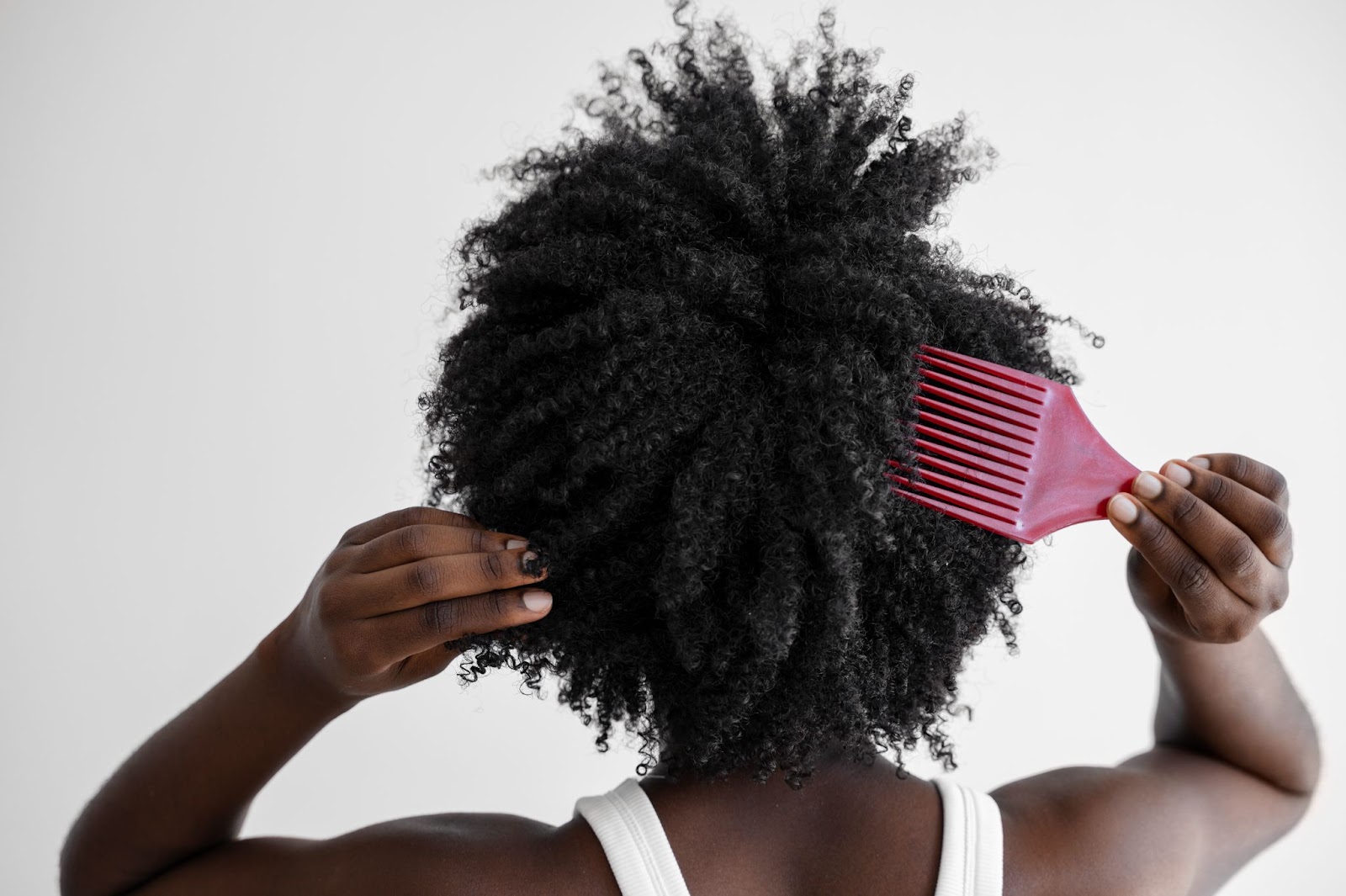
Over-brushing (or using a hard-bristle brush) allows humidity to affect your hair the more. Using the wrong hairbrush leads to unnecessary friction on dry, or textured hair, and therefore, frizz can occur. Similarly, split ends and rough hair texture can be pointers of over-brushing.
Rough Drying
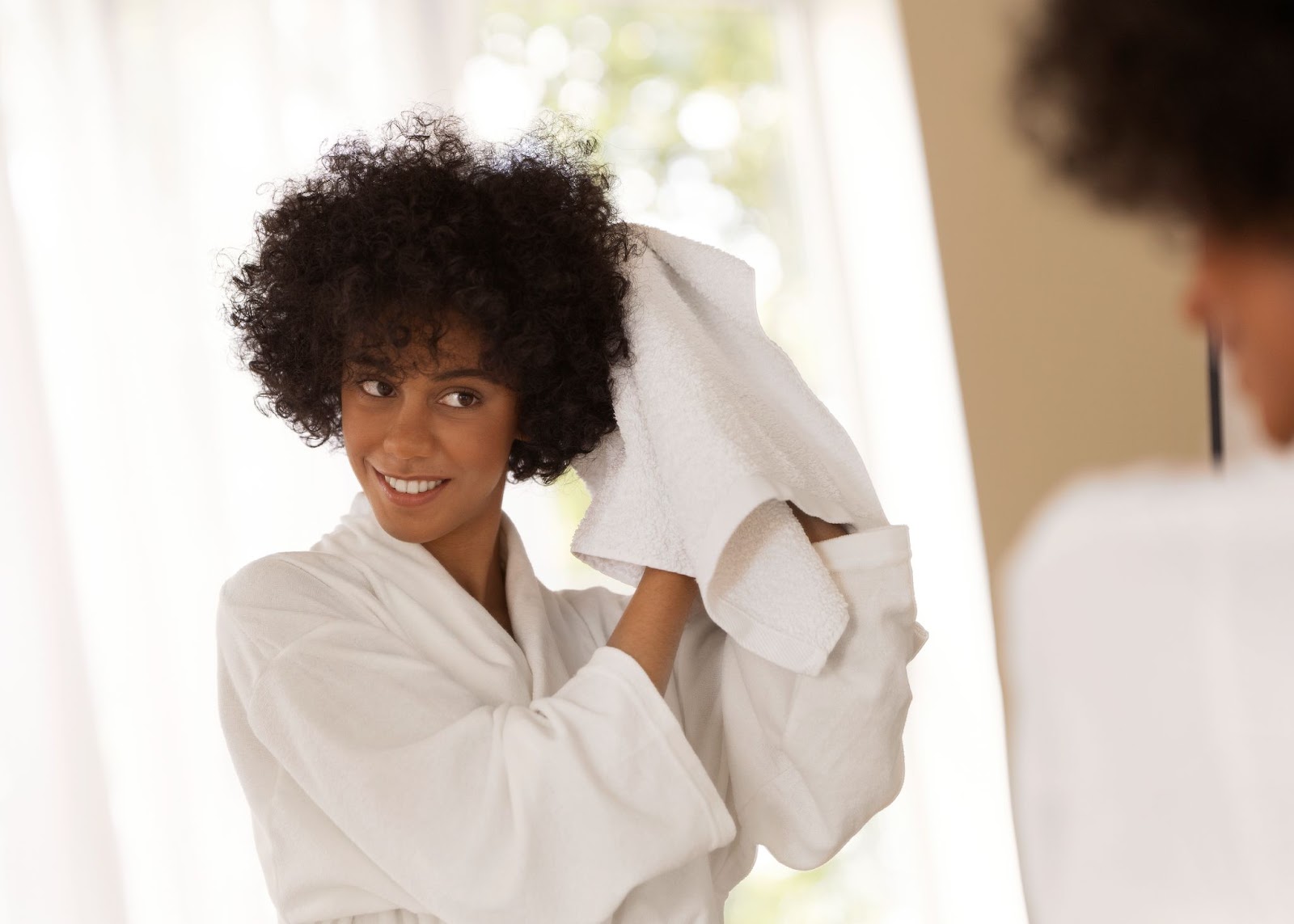
Conventional bath towels are rough. When rubbed on wet hair, friction occurs, with a lift in the cuticle and a disruption in the structure of the strand. Wet hair is already susceptible because the hydrogen bonds within it are temporarily loosened, and rough handling makes things worse.
Abrasive Hair Products
Some sulphate-containing, bleaching, and coloring hair products can also cause the hair to frizz. They usually contain active agents that work by lifting the hair cuticle. Extensive use of these products roughens your hair's surface and steals its shine. Using the right products at the wrong time can also reduce their effectiveness or lead to a buildup.
Genetics
While it is true that frizz is mostly caused by external factors, some hair types—due to their structure–are more easily frizzed than others. As an example, curly (and wavy) hair will not allow the scalp oil to run down the hair shaft due to its structure.
Curly hair must absorb water from the external environment, and in case of a lack of moisture, frizz arises. Aging hair is also likely to frizz up because of the reduced sebum production, splitting, and accumulation of damage.


How to Style Frizzy Hair
Styling frizzed-up hair is about maintaining moisture, movement, and preserving the strand's shape.
Put on a leave-in conditioner to wet hair so as to form a light protective layer. This aids in flattening the cuticle and avoiding the excess humidity infiltrating the strand.
A frizz-control serum will help to fix moisture in and add shine. Serums form a transparent veil over the cuticle, and thus improves smoothness and definition.
If you blow-dry, use a diffuser attachment to preserve curl pattern and prevent disruption of hydrogen bonds as they reset during drying.
Finish with a light anti-frizz hairspray to create a humidity-resistant shield around your style — especially in warmer months.
And whenever possible, embrace heatless styling. The less structural stress you apply, the better your hair will behave long term.
Still worried about how to fix frizzy hair in curls? This 5-Step curly hair routine can help you.
Best Hair Products for Frizzy Hair
The most common way to keep hair frizz free is to add moisture back and to lock it in. Now, what is the best hair product for frizzy hair? Below are the best moisturizing picks that fight against frizz:
The Best Shampoo for Frizzy Hair
When people ask what the best shampoo for frizzy hair is, the answer is that both efficient and mild cleansing is required. GK Hair’s Moisturizing Shampoo is your perfect fit. Apart from the fact that it contains Juvexin, our trademark keratin-based protein blend, it also contains humectants that will help to hydrate your hair and smooth the scalp. Our moisturizing shampoo is sulfate-free so your scalp's oil balance won't be disrupted.
Frizz Control Serum
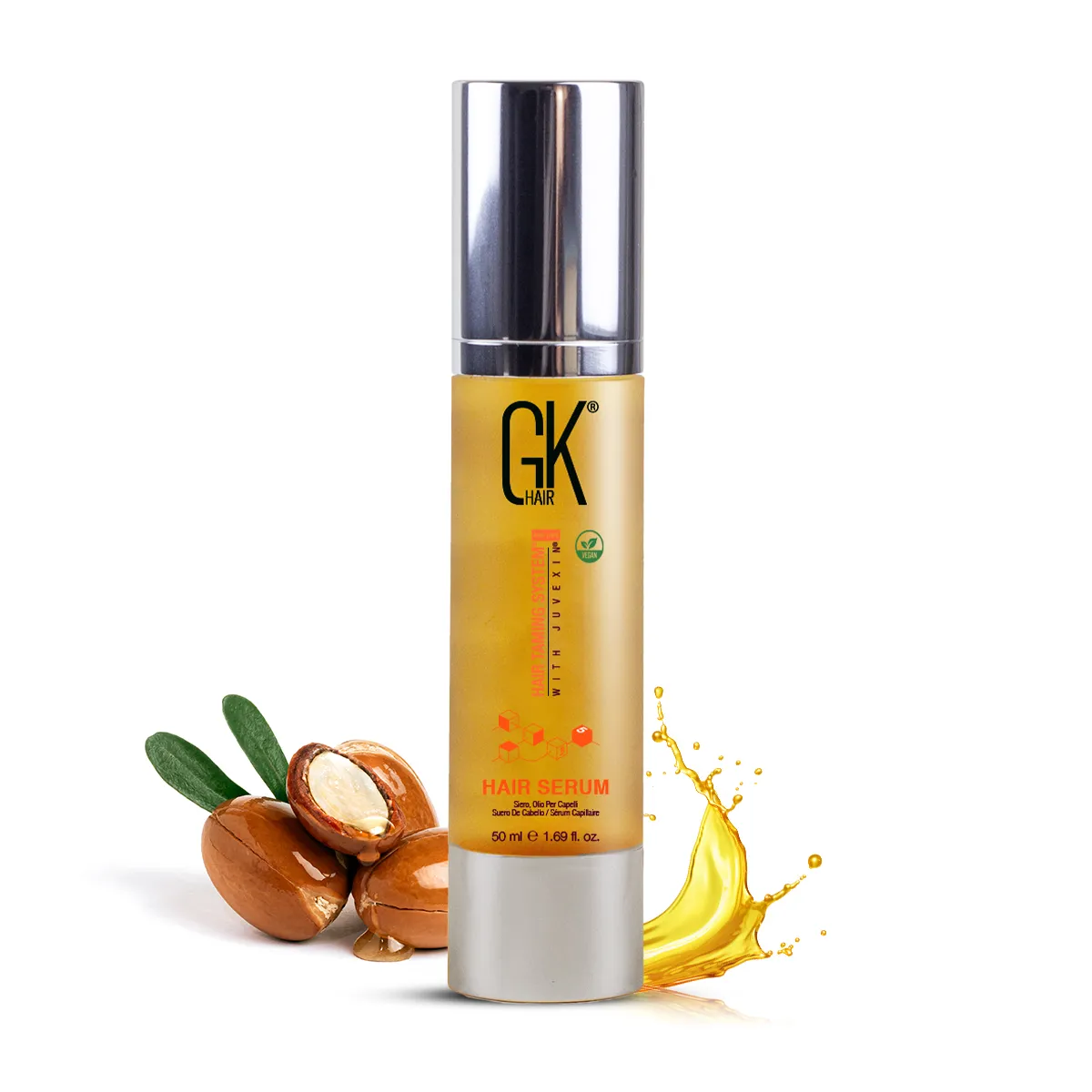
If there is one product worth investing in, it is a quality frizz-control serum. Our top pick for this is GK Hair’s Argan Oil Serum. It smooths, nourishes, moisturizes, and adds shine to your hair.
Heat Protectant Cream
A styling cream that contains Juvexin together with other beneficial components helps maintain hair moisture, while a heat protectant primarily protects hair from heat damage (a leading cause of dry and frizzy hair).
But do you know you can get both in one hair product? GK Hair ThermalStyleHer Cream functions as a dual-purpose product that provides heat protection while enhancing hair shine and softness. This cream provides more than heat protection because it enables your hair to maintain its natural moisture while it prevents frizz.
Smooth Hair Starts Here
It's possible to stop frizz in its tracks. Once you protect your keratin structure, reinforce your hydrophobic barrier, and preserve your hydrogen bonds, your hair responds differently.
Overall, refrain from excessive heat, understand your hair type, and apply the appropriate hair products for frizzy hair. Our anti-frizz collection contains more best products to help you achieve smooth and shiny hair all day long.


Leave a Comment