


You saved a photo. You showed it to your colorist. You walked out with something that was... not that photo.
Happens constantly, and it is almost never the colorist being careless. Blonde is not one color. It is a whole family of them, stretched across cool to warm, pale to deep, and the gap between "ash blonde" and "golden blonde" is the difference between hair that flatters your face and hair that fights it. So before you book anything, it helps to know what you are actually asking for.
Here, we will be spilling all the tea on every blonde shade worth knowing: what each one looks like, who it suits, what it takes to keep, and how to tell which one your hair can realistically reach. Consider this your map of the blonde hair colors.
Quick answer: Blonde hair colors fall into three tonal families: cool (ash, white, platinum), warm (golden, honey, caramel), and neutral (beige, sandy, dirty blonde). Pick your family by skin undertone, then pick the depth by how far your natural base can lift safely. Cool tones suit pink undertones, warm tones suit golden ones.
What Makes Hair Blonde in the First Place?
Blonde hair has very little pigment in it. That is the whole mechanism. Your hair color comes down to two pigments, eumelanin (the brown-black one) and pheomelanin (the red-yellow one), and how much of each your follicles pack into the strand.
Researchers who chemically measured pigment across black, brown, blond and red hair found eumelanin content drops steadily as hair gets lighter, with only a trace of pheomelanin throughout, and that this chemical picture matches what you actually see (research on how melanin sets natural hair colour). Translation: blonde is not a pigment of its own. It is what is left when there is barely any dark pigment in the strand.
Why does that matter to you, sitting in a salon chair? Because it explains brass. When you lighten dark hair, the bleach removes eumelanin in stages, and the warm underlying pigment is the last to go. That orange or yellow phase is not your colorist failing. It is a step in the process, and toning is what carries it the rest of the way.
The Three Blonde Tonal Families
Every blonde shade you have ever pinned belongs to one of three families. Get the family right and the specific shade is easy.
A quick way to place yourself: look at the veins on your inner wrist in daylight. Blue or purple leans cool. Green leans warm. A mix means neutral, and honestly, neutral blondes are the easiest thing in the world to live with.
Ash Blonde Hair Color
Ash blonde is blonde with cool gray, blue, or violet tones layered in instead of gold. Those cool pigments cancel out the yellow and orange that lightening leaves behind, which is why ash reads smoky and expensive rather than sunny. Depending on your starting depth it can land anywhere from soft beige to genuinely icy.
Best for: pink or neutral undertones, and anyone who has spent years fighting brass and is done with it.
We go much deeper on placement, maintenance and who ash suits in our full ash blonde hair color guide.
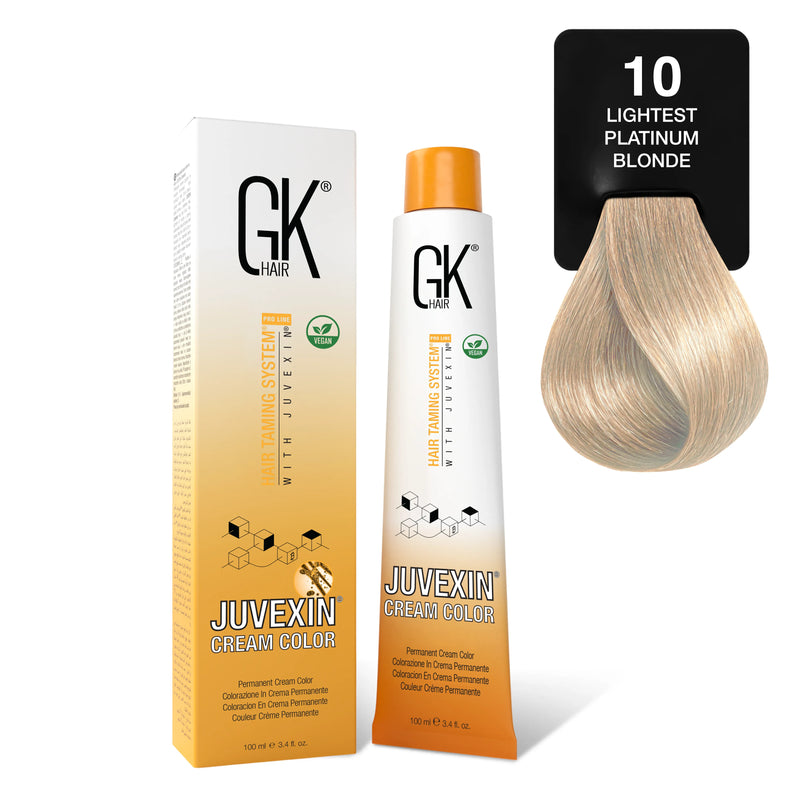
Golden Blonde Hair
Golden blonde is the opposite end. Warm, bright, sunlit, somewhere between honey and soft butter. It is the shade that makes people ask if you have been somewhere sunny.
Golden tends to be kinder to maintain than ash, because when warm blonde fades it fades toward more warmth, which is where you already are. Nobody notices. When cool blonde fades toward warmth, everybody notices.
Best for: golden, olive, or deeper skin tones, and anyone whose hair naturally throws warmth and would rather work with it than against it.
Full breakdown in our golden blonde hair guide.
White Blonde Hair
White blonde is the palest end of the spectrum: almost no visible warmth, closer to bright silver than to yellow. It is stunning. It is also the most demanding shade on this list, because getting there means lifting nearly all the pigment out of the strand, then toning what remains.
Two honest things about white blonde. It usually takes more than one session if you are starting dark. And it needs purple toning on a real schedule, not when you remember.
Best for: fair, cool complexions, hair in good condition, and people who genuinely enjoy the upkeep.
Natural Dirty Blonde Hair
Dirty blonde is that in-between shade, darker than classic blonde, lighter than light brown, with a slightly muted, almost dusty quality. It is the most naturally occurring blonde on this list and the lowest maintenance by a mile.
The reason it grows out so gracefully? It sits close to a lot of people's natural base, so there is no harsh line at the roots. If you want blonde without signing up for a maintenance schedule, start here.
Light Blonde and Beige Blonde
Light blonde is the soft middle ground: brighter than dirty blonde, gentler than white, not especially cool or especially warm. Beige blonde is its neutral cousin, blending a little cool and a little warm so it never tips too far either way.
These are the shades people mean when they say they want to look like they were blonde as a kid. More on the range in our light blonde hair guide.
What are Blonde Highlights, and Do You Need Full Color?
No, you do not need full color. Blonde highlights lighten selected strands rather than the whole head, which gives you dimension and brightness while leaving most of your natural color in place. For a lot of people that is the smarter first move: less lifting, less commitment, softer grow-out.
Placement is where highlights are won or lost:
-
Babylights. Very fine, very subtle, mimicking the natural lightness kids have around the face
-
Balayage. Painted freehand, no foils, sun-kissed and famously low maintenance
-
Half head. Crown and sides only, which suits shorter or finer hair
-
Full head. Foils throughout for a dramatic change, and yes, the highest upkeep
Light brown hair with blonde highlights is probably the single most requested version of this, and for good reason: the contrast is soft enough to look natural, the regrowth is forgiving, and you keep your depth. Blond highlights on darker bases work too, they just need more careful toning to stop the lifted pieces going orange.
Which Blonde Hair Color Suits Your Skin Tone?
Match the tonal family to your undertone rather than to how light or deep your skin is. Cool blondes (ash, platinum, white) sit well against pink and neutral undertones. Warm blondes (golden, honey, caramel) flatter golden and olive undertones. Neutral blondes work across nearly everyone, which is exactly why beige and sandy shades are the safe first step.
Depth matters as much as tone, though. A very pale blonde against deeper skin can wash out unless there is warmth or dimension worked in, and this is where highlights beat all-over color.
Can Your Hair Actually Reach the Shade You Want?
Not always in one appointment, no. How far your hair can lift safely depends on your natural depth, your hair's condition, and whether it has been colored before. Hair that has been previously dyed, especially dark, does not lift evenly, and box dye in particular can leave patches that need correcting before any blonde goes on.
The honest version: going from dark brown to white blonde is a multi-session project, not a Saturday. A good colorist will tell you that upfront and may suggest getting there over two or three visits to protect the hair.
Stylist's Corner: Bring three photos, not one, and make sure at least one of them is hair with a starting depth close to yours. A picture of platinum blonde on someone who was naturally light tells your colorist almost nothing about what your hair will do. Photos with visible roots are the most useful of all, because they show what the shade looks like growing out.
How to Keep Blonde Hair Colors From Going Brassy
Brass is warm pigment resurfacing as toner fades, and it happens to nearly every lightened blonde eventually. Water, sun, and time all speed it along.
The fix is purple pigment. Violet sits opposite yellow on the color wheel, so a violet-based product visually neutralizes yellow tones while it is on the hair. That is a tone-correction effect, not a permanent color change, which is why it works best as a habit rather than a rescue.
GK Hair built Silver Bombshell Shampoo around exactly that: a violet base that counteracts orange and yellow tones while it cleanses. Best for lightened blondes and highlighted hair that pulls warm between salon visits. Use it once or twice a week rather than daily, and let it sit a couple of minutes before rinsing.

For deeper toning, our Hot Bombshell Masque is a deep-conditioning and toning treatment for blonde, silver and highlighted hair, formulated to neutralize brassy and yellow tones while it hydrates and strengthens. Best for blondes whose hair feels dry as well as brassy. Do watch your timing, because leaving it on too long can leave a temporary cool cast.
And if your color is more sun-faded than brassy, Shield Shampoo and Conditioner is the one built to protect your hue from sunlight and environmental exposure. Best for anyone whose blonde lives outdoors in summer.
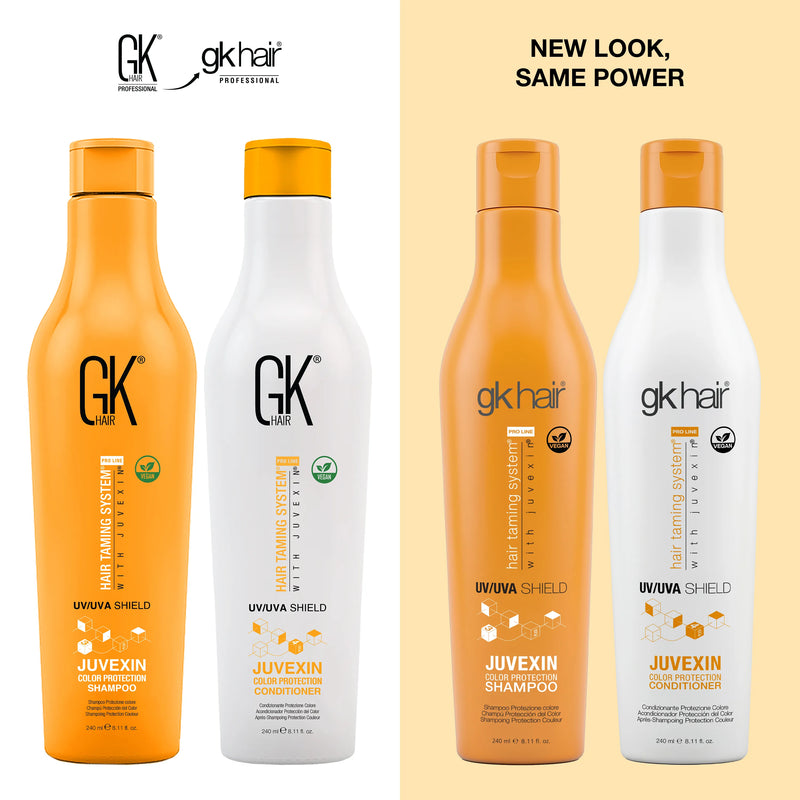
The whole Blonde collection is built around this problem, and every GK Hair formula is fortified with Juvexin, a non-hydrolyzed keratin protein blend that penetrates the cortex and coats the cuticle, which matters more than usual on lightened hair because lifting leaves the cuticle rougher than it was.

Blonde Hair Ideas by Hair Length and Base Color
Short hair takes cool tones beautifully, because there is less length for warmth to build up in. Ash and beige read especially sharp on a bob.
Long hair is where dimension pays off. A single flat blonde over long hair can look heavy, whereas balayage or babylights give movement all the way down.
Dark bases should think in steps. Caramel or bronde first, then lighter next time if you still want it. Rushing dark to platinum is how hair gets damaged.
Naturally blonde hair often just needs brightening rather than lifting, which is why a purple shampoo and a few face-framing pieces can be the whole plan.
People Also Ask
What is the most popular blonde hair color?
Neutral and beige blondes are the most widely worn, mainly because they suit the widest range of skin tones and grow out without an obvious line. Ash blonde has the bigger presence on social media, while golden and honey shades tend to win with anyone who has warmth in their complexion. Popularity is a poor guide here. Undertone is the better one.
Is blonde hair damaging?
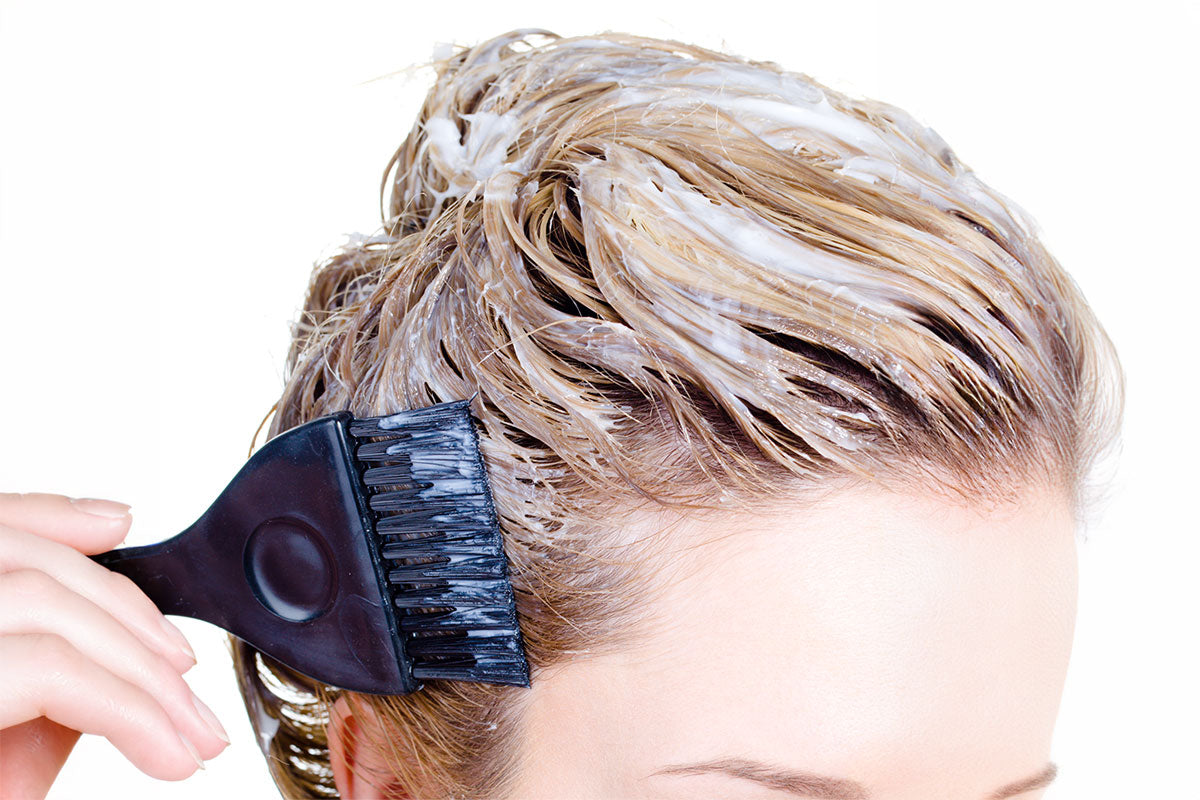
Lightening does change the hair's structure, because reaching blonde means removing pigment from inside the strand, and that leaves the cuticle rougher and more porous than before. The degree depends on how far you lift and how healthy your hair was to start with. Going a couple of levels lighter is far gentler than going from black to platinum in a day.
How often do you need to tone blonde hair?
Most lightened blondes need toning every four to eight weeks at the salon, with purple shampoo at home once or twice a week in between. Cool shades like ash and white blonde need it most often, because they have the furthest to fall when warmth creeps back. Warm blondes stretch longer.
FAQ
What is the difference between blonde and blond?
Blonde and blond describe the same hair color; the spelling difference is grammatical rather than tonal. Blond is the masculine form and blonde the feminine, inherited from French. In American English the distinction has mostly collapsed, and blonde is used for the color generally. So if you have been searching blond hair and blonde hair and wondering whether you are missing something, you are not.
Can I go blonde at home?
You can, and plenty of people do, but the risk rises sharply with how far you are lifting. Small changes such as a few face-framing pieces or a gloss are reasonably safe at home. Big lifts on dark or previously colored hair are where at-home attempts most often go patchy or orange, and correction costs more than the original appointment would have.
Why did my blonde turn yellow?
Yellow is the warm underlying pigment showing through as your toner fades, and it is completely normal rather than a sign something went wrong. Sun, mineral-heavy water, and heat styling all speed it up. A violet-based shampoo used once or twice a week keeps it in check between salon visits.
Which blonde is best for covering gray?
Neutral and beige blondes blend gray most forgivingly, because gray hair reads cool and these shades meet it halfway rather than fighting it. Highlights work particularly well here, since the lightened pieces and the gray pieces read as one dimensional blonde instead of two separate colors. Very warm golden shades can make remaining gray look more obvious.
How long does blonde hair color last?
Expect four to eight weeks before you see regrowth and tonal fade, though highlights stretch considerably longer than all-over color, sometimes three months or more, because there is no hard root line. Balayage stretches longest of all. What fades first is almost always the tone, not the lightness.
Choosing Your Blonde, Finally
Blonde hair colors are less about picking a photo and more about matching three things: your undertone, your natural depth, and how much upkeep you actually want. Get those right and almost any shade in this guide can work on you.
Start with the tonal family, be realistic about the number of sessions, and build a toning habit before the brass shows up rather than after. GK Hair's Blonde collection is there for that part, and the ingredient lists are on each product page if you want to check what you are putting on lightened hair. Whichever of the blonde hair colors you land on, the maintenance is what keeps it looking like the photo.



Leave a Comment