


Frizz feels random. It is not. It follows rules, and once you know them, fixing it gets a lot less frustrating. The quick smoothing tricks everyone shares do work, but only for a few hours, because they cover the problem instead of fixing it. So this covers both: the fast fix for when you are walking out the door and the real fix that keeps frizz from coming back. First, what is actually happening on your head.
Quick answer: To fix frizzy hair, smooth it fast with a few drops of serum or a leave-in through the mid-lengths and ends, then stop it long-term by keeping hair hydrated and sealed. Frizz happens when the cuticle lifts and humidity swells the strand, so gentle washing, regular conditioning, less heat, and sealing in moisture keep it smooth.
Why Is My Hair So Frizzy?
Here is the mechanism, because it explains every fix that follows. Each strand has an outer layer called the cuticle, made of overlapping scales that lie flat when hair is healthy. When that cuticle lifts, two things happen. Moisture escapes from inside the strand, and moisture from the air gets in. On a humid day, water molecules from the air slip into the lifted cuticle and bond with the proteins inside, and the strand swells and bends in a way it should not. Multiply that across your whole head and you get frizz.
So frizz is really a cuticle problem, and the cuticle lifts for a handful of reasons: dryness, damage, and your natural texture. Dry hair is thirsty hair, and thirsty hair grabs moisture from the air, which is exactly why frizz spikes in humidity. Damage from heat, bleach, or rough handling physically wears the cuticle open. And curly and coily hair has a naturally more raised cuticle to begin with, which is why textured hair frizzes more easily even when it is healthy.
One useful tell: when your frizz shows up tells you why. Frizz right after you wash usually points to your shampoo or conditioner. Frizz that creeps in hours later, especially in humidity, usually means your hair is dry on the inside and pulling moisture from the air.
How to Fix Frizzy Hair Fast
Sometimes you do not have time for the deeper fix. You need smooth hair in the next two minutes. These work because they physically seal the cuticle so humidity cannot get in. Just know they are a patch, not a cure.
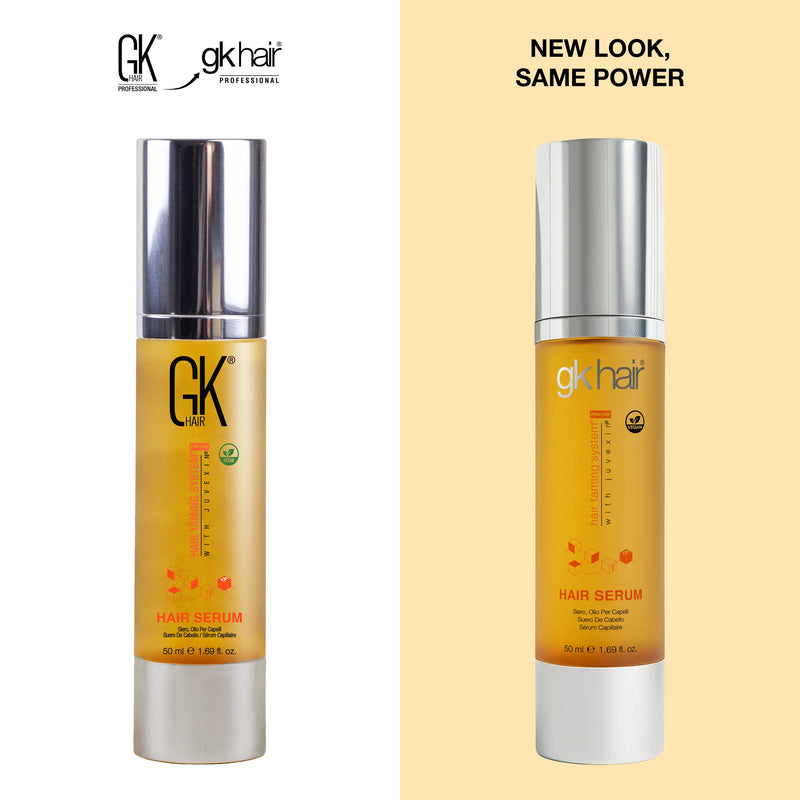
Smooth on a few drops of serum. This is the fastest one. A silicone-based serum like the GK Hair Argan Oil Serum coats the strand and seals out humidity, which is exactly what stops frizz in its tracks. Warm a few drops between your palms, then run them through the mid-lengths and ends. Keep it off the roots so you do not look greasy. Best for: flyaways and surface frizz on dry or damp hair.

Hit dry flyaways with a leave-in. If your hair is dry and rough, a quick mist of the GK Hair Leave-In Conditioner Spray puts moisture back and smooths the cuticle in seconds. Comb it through with your fingers. Best for: dry, tangly frizz that needs hydration, not just a seal.
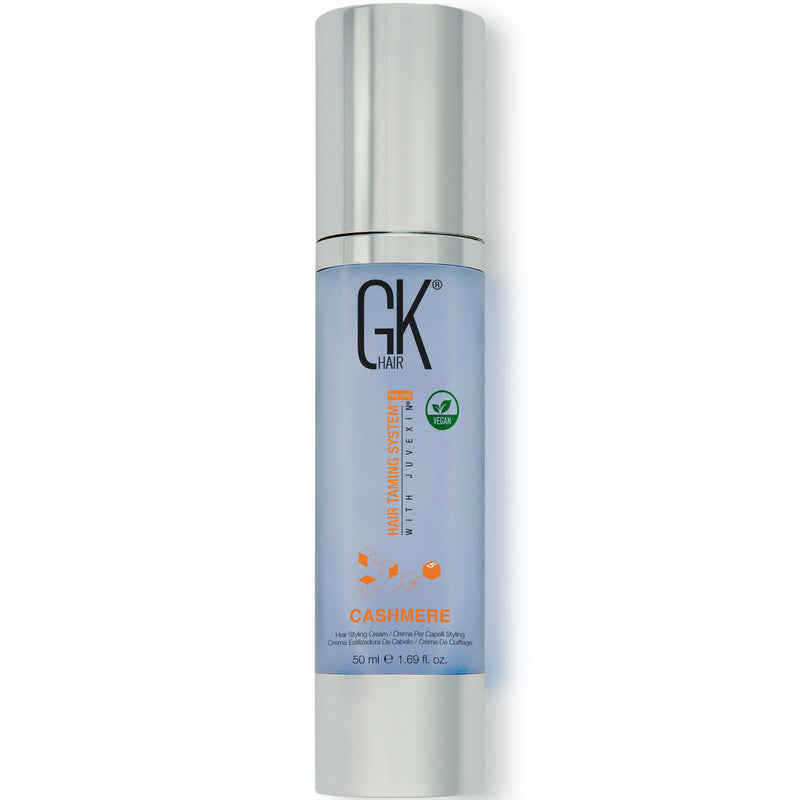
Tame the edges with a cream. For the little hairs around your hairline, a pea-sized amount of a smoothing cream like the GK Hair Cashmere Cream pressed over the surface lays them down without crunch. Best for: baby hairs and a polished finish.

You can use a flat iron for a fast result too, but be honest with yourself about how often. Heat smooths frizz today and causes the cuticle damage that makes frizz worse tomorrow. If you reach for hot tools, a heat protectant first is not optional.
How to Stop Frizzy Hair Long-Term
This is the part that actually changes things. Frizz that keeps coming back is your hair telling you it is dry or damaged. Fix that, and the daily smoothing gets easier or stops being necessary. None of this is complicated.
-
Wash gently and not too often. Hot water and harsh sulfate shampoos strip the oils that keep your cuticle flat. Switch to lukewarm water and a sulfate-free, moisturizing wash like the our Moisturizing Shampoo and Conditioner, and do not wash every single day if your hair runs dry.

-
Condition every wash and deep condition weekly. Conditioner is where frizz-prone hair gets the moisture it is missing. Once a week, go deeper with the GK Hair Deep Conditioner to rebuild moisture inside the strand, not just on the surface. Dry hair on the inside is what pulls humidity in, so this is the step that pays off most.

- Dry it without the friction. Rough terrycloth towels rough up the cuticle. Squeeze hair gently with a microfiber towel or an old cotton t-shirt instead. Same with brushing dry curls, which just breaks the pattern and fluffs everything up.
- Seal in the moisture. After conditioning, lock it in. A serum or a couple of drops of oil on damp ends creates the barrier that keeps your hydration in and the humidity out.
- Protect it while you sleep. A silk or satin pillowcase cuts the friction that roughs hair up overnight. For textured hair, a bonnet does the same job.
Stylist's Corner
If your serum stopped working, the problem probably is not the serum. A seal only holds if there is moisture underneath it to seal in. When hair is genuinely damaged or starved of moisture, no amount of surface product fixes it, you are buffing a dry strand. That is your cue to drop the styling products for a week, lean hard on deep conditioning, and let the moisture rebuild first.
Frizzy Hair for Men
Frizz is not a women's problem, and men's hair frizzes for the exact same reasons: a lifted cuticle, dryness, and humidity. The difference is mostly length and routine. Shorter hair shows frizz as a fuzzy halo or stubborn cowlicks rather than poof, and most guys want a fix that takes ten seconds, not a five-step routine.
The good news is the short version works fine. Wash with a gentle, non-stripping shampoo, skip washing daily if your hair feels dry, and use a small amount of lightweight product on towel-dried hair. A tiny bit of serum or a light smoothing cream worked through with your hands controls frizz and flyaways without making hair look wet or stiff. The cardinal rule is the same as it is for everyone: use less product than you think and keep it off the roots. Best for: short to medium men's styles that frizz at the crown or edges.
Anti-Frizz for Curly and Coily Hair
Textured hair frizzes more because the cuticle sits more raised by nature, so the game is moisture and minimal disruption, not fighting the texture.
Detangle gently with a wide-tooth comb while hair is wet and full of conditioner, never dry. Apply your leave-in and stylers to soaking-wet hair so they distribute evenly and seal water in. Then stop touching it: the more you handle drying curls, the more frizz you invite. Protective styles like braids or twists also give your hair a break from daily manipulation, which cuts frizz simply by leaving it alone.
One DIY worth a careful mention is the apple cider vinegar rinse. The acidity can smooth the cuticle and add shine for some people, but the evidence is limited and the dilution matters a lot. Use roughly one to two tablespoons of apple cider vinegar in a cup of water, not the equal-parts mix you will see floating around, since vinegar that strong can dry your hair out, irritate your scalp, and make frizz worse. Keep it to once a week at most, and rinse it out.
When Frizz Needs More Than a Routine
If your hair is genuinely damaged, from bleach, color, or years of heat, a good routine manages the frizz but may not fully resolve it, because the cuticle damage is already done. That is when a dedicated frizzy hair treatment earns its place. At-home masks help, and for persistent, stubborn frizz, a professional smoothing treatment can reset things in a way home care cannot.
If that is where you are, these two are worth reading next: our guide to the top salon treatments for frizzy, damaged hair and our breakdown of what works best for persistent frizz.
The Bottom Line
Frizz is a cuticle problem, and that one fact tells you how to fix frizzy hair for good. Seal it fast when you are in a hurry, but spend your real effort on the cause: keep your hair hydrated, wash and dry it gently, go easy on heat, and lock moisture in. Do that and the smoothing products become a finishing touch instead of damage control. Ready to build a routine that actually holds? Start with the Anti-Frizz and Shine collection.


Leave a Comment