


You buy a new conditioner because everyone says it's amazing. You leave it on as you're told to, rinse, and expect silky hair… but somehow the product never makes it past the surface. There's a good chance you have low porosity hair. At first, it can feel like putting a puzzle together. Don't worry, there are surely ways to work with your hair type and not against it.
What Is Low Porosity Hair?
If you're searching for low porosity hair meaning, it all comes down to one thing: how tightly your cuticle is packed. Low porosity hair is hair with tightly packed cuticles that doesn't absorb water and hair products easily. Instead of soaking immediately, the moisture sits on top. The upside is that once moisture gets in, your hair holds onto it well. However, the main challenge is getting moisture to get in to begin with.
First, think of your hair cuticle as shingles on a roof. When those shingles lie flat, they create a protective barrier. This helps prevent moisture loss but also makes it harder for water, conditioner and oil to penetrate into the hair shaft. Because of this, you may notice that your hair:
Hair science and dermatology experts say hair porosity plays a major role in how well the stands absorb and retain moisture. With this understanding, you can choose products and techniques that actually work for your hair instead of against it. This makes the routine much simpler.
Why Does this Matter?
Low porosity hair doesn't absorb products easily. So, even rich hair creams and heavy oils don't help. They make the hair feel greasy rather than moisturized.
What works: Go for lightweight, water-based formulas instead and use gentle heat for the best results.
Signs of Low Porosity Hair
Not sure if this sounds like your hair? Here are a few tell-tale signs:
-
Water beads on your hair strands instead of soaking in quickly
-
Hair takes much longer than expected to get completely wet
-
Conditioner and styling products seem to sit on top rather than get absorbed
-
Hair dries very slowly after washing
-
Gets clogged by buildup more quickly than other hair types and buildup appears even when you don't use many products
-
Feels coated even after applying products
If you're nodding along to these signs, chances are you're dealing with hair that has low porosity and no, it is but necessarily dry hair.
Why You Need a Custom Routine
Low porosity hair is not “bad” hair. It just means that it needs an entirely different routine to keep up. One of the biggest mistakes people make is assuming every hair routine works for every hair type. It doesn't. Hair porosity determines how your strands interact with water and hair products.
High porosity hair absorbs moisture quickly but loses it just as fast. Low porosity hair, on the other hand, is slower to absorb moisture but holds onto it once it gets inside. Your routine matters as much as the products you use. Our stylist at GK Hair often recommends that you prioritize hydration instead of simply layering on more products.
In our partner salons, 8 in 10 clients with low porosity hair reported less product buildup and softer strands within four weeks of switching to a lightweight moisturizing routine. This includes clarifying with GK Hair pH+ Shampoo.
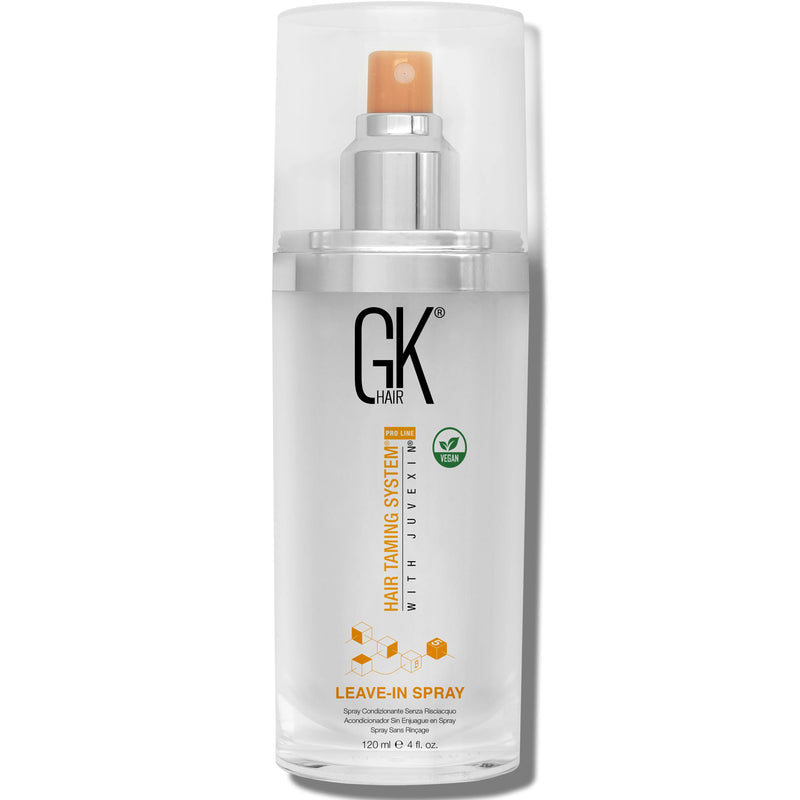
However, if you will only buy one product to start, make it the Leave-in Spray. It's the base layer for the LCO method and works with everything else in this routine. Before you change your routine abruptly, you should read our guide on How to Know Your Hair Porosity to better understand what your strands need.
7 Low Porosity Hair Care Routine
1. Clarify Weekly to Stay Fresh
Given that this hair type has a difficult time absorbing product, it is prone to build up. This buildup can keep moisture out, leaving you with an itchy and flaky scalp. That's why a weekly clarifying wash is one of the best things you can do to your hair.
A good shampoo for low porosity hair removes residue from styling products, excess oil, and environmental buildup without stripping away your hair's natural moisture.
We recommend washing with GK Hair’s pH+ Shampoo specially formulated to deeply cleanse while helping maintain your hair’s natural pH balance.
Best for: Hair that feels coated, heavy or struggles to absorb conditioners or treatments.

Pro Tip: Wash with lukewarm, not hot water. Warm water gently lifts the cuticle for cleansing and allows other hair products to work more effectively.
2. Deep Condition With Gentle Heat
Regular deep conditioning is a simple habit that can transform your hair. A deep conditioner for low porosity hair does far more than soften your strands. It delivers moisture into the hair shaft, improves flexibility, reduces breakage and helps your hair feel smoother after every wash.
Heat is your BFF and applying it gently helps the ingredients get into the already tight cuticle. Apply your GK Hair Moisturizing Conditioner and then, wrap your hair in a warm towel or wear a thermal cap. You could also decide to sit under a hooded drier for about 10-15 minutes. The warmth helps lift the cuticle slightly, so the ingredients penetrate more deeply.
Best for: Dry, thirsty hair that struggles to absorb moisture after washing.
In addition to conditioner, protein treatments can sometimes leave this hair type feeling stiff. But our hair care products and treatments are rich in Juvexin, a protein-rich ingredient unique to GK Hair formulation. Other ingredients include natural seed oils and plant extracts that soothe and provide hydration. The full ingredient list for each product is available on its product page.
Stylist's Corner
One mistake we see in the salon all the time is applying a deep conditioner and rinsing it out five minutes later. Our stylists recommend that you apply conditioner to freshly cleaned hair, then cover it with a warm towel or a thermal cap for at least 10-15 minutes. That little heat determines how well your hair absorbs moisture.
Why Juvexin Makes a Difference
Many conditioning products are made of hydrolyzed keratin, which mainly coats the outside of the hair for temporary smoothness. Juvexin is different. It's GK Hair’s signature non-hydrolyzed keratin protein blend that works with the hair’s natural structure to improve manageability and keep hair well moisturized.
3. Choose Lightweight Water-Based Moisturizers
When your hair feels dry, it's tempting to reach for thick creams. Surprisingly, that's often the opposite of what your hair needs. The best low porosity hair products are light, water-based formulas. These are the likes of your sprays, leave-ins and creams. But they should contain ingredients like aloe vera, glycerin, and plant extracts that are lightweight and moisturizing.
We usually recommend starting with our Leave-in Spray because it hydrates without weighing your hair down, a challenge people with low porosity hair often experience.
Best for: Hair that needs to be hydrated daily yet gets greasy shortly after moisturizing.

4. Try the LCO Method for Longer-lasting Moisture
If you've been moisturizing your hair only to find it dry again by the next day, your layering technique could be the problem. The LCO method: liquid, cream and oil is one of the easiest ways to help your hair hold onto moisture without feeling greasy or weighed down. Here’s how it works:
L (Liquid): Start with a water based leave-in spray, such as GK Hair Leave-in Conditioner Spray to hydrate your strands.
Best for: Adding moisture without buildup
C (Cream): Apply a light moisturizing cream like GK Hair Moisturizing Conditioner to add moisture.
Best for: Softening dry hair without weighing it down
O (Oil): Finish off with GK Hair Argan Oil Serum to seal everything.
Best for: Locking in hydration, reducing frizz and adding shine.
Each layer has a job: the liquid hydrates the hair shaft, the cream seals that moisture in, and the oil locks the cream down so it can't evaporate. Skip a layer or apply them out of order and the moisture escapes just as fast as it went in.
Hair care products that contain plant extracts like jojoba, grape seed, and argan seed are excellent choices for your hair type. Heavy oils do nothing more than coat and leave your hair greasy.

5. Go Easy on Protein Treatments
Protein does strengthen the hair, but more isn't always better. Since the cuticle is tightly packed, the hair may feel stiff, rough or brittle. You don't need a protein treatment unless your hair feels stretchy, breaks easily and is chemically damaged.
For most people, every 4-6 weeks is just enough. You should just ensure to follow it up with a Deep Conditioner for softness and balance.
Best for: Hair that feels stiff or rough after a protein treatment and needs moisture restored.
Dermatology experts say maintaining a healthy moisture-protein balance is one key way to reduce breakage and manage hair well.
6. Wash with Warm Water & Let It Air Dry
Very hot water can dry out your hair, but cold water doesn’t do much to open the cuticle. Lukewarm water is the perfect balance. It gently softens the cuticle, allowing moisture to get in without drying. Once you’ve finished washing, resist the urge to rub your hair vigorously with a towel. Instead, squeeze out excess water with a towel or soft cotton T shirt.
7. Protect Your Hair While You Sleep
What you do at night matters just as much as what you do during the day. In fact, some of the biggest setbacks happen overnight. Low porosity hair thrives on low manipulation and less friction sleep routine. Now, think about how much your hair rubs against your pillow while you sleep.
Sleep on a silk or satin pillowcase, or wrap your hair up in a bonnet or scarf. And should your hair begin to feel dry, you may want to apply a mist of Leave-in spray before bed.
Extra Tips for Growth & Shine
The best routine continues beyond wash day. A few simple habits can help your hair stay healthier between washes.
Massage your Scalp Regularly
Massaging the scalp a few minutes every day with a light oil increases blood flow to the area, which some studies suggest may support hair growth over time. Although results may vary, it works best alongside your full care routine.
Trim Split Ends
Split ends don't self-repair. When left alone, they continue splitting further up the hair shaft, making your hair look thinner and feel rough. You should schedule a hair trim every 2-4 months so that your hair appears healthy.
Eat the Right Food
No hair product can replace good nutrition. Hair is primarily made of protein, so eating food rich in protein is required for hair health. Nutrients like iron, zinc, biotin, omega-3 fatty acids and also vitamin A and E can help strengthen your hair from the inside.
What Does Low Porosity Hair Mean?
Low porosity hair means that the cuticle is tightly packed. This makes it difficult for water and hair products to penetrate. Although moisture takes longer to get in, it stays in longer. If this is how your hair behaves, you need consistent hydration, gentle heat and lightweight products.
What Is the Best Shampoo for Low Porosity Hair?
The best shampoo for low porosity hair is one that clears buildup from the scalp without stripping away moisture, such as GK Hair's pH+ Shampoo. Use it every four weeks alongside your regular moisturizing shampoo so the scalp stays clean without being over-stripped between washes.
How Often Should You Deep Condition Low Porosity Hair?
People with low porosity hair should deep condition their hair once every one or two weeks. If your hair is colour-treated, already heat damaged or dry, then you should indulge in weekly treatments. Deep conditioning helps keep hair in moisture for a longer time than a regular moisturizing conditioner would.
Final Thoughts
Tending to low porosity hair does not have to be a puzzle. It is simple. With the right steps and GK Hair Products for low porosity hair, you can have a simple routine that yields results. Start with the little things: maybe a clarifying wash this week or swap a heavy conditioner for a water based leave-in.
At GK Hair, our professional haircare products are trusted by stylists in more than 75 countries, helping people build routines that actually work for their unique hair type. Ready to make that your reality? Remember, consistency is key!
Frequently Asked Questions
Should I Use a Deep Conditioner for Low Porosity Hair Every Week?
Yes, if your hair is especially dry or has been chemically treated. Many people say deep conditioning once every week works well for low porosity hair. You even get better results when gentle heat is applied to make the ingredients penetrate deep inside the hair shaft rather than sit on the surface.
What's the Best Oil for Low Porosity Hair?
Lightweight oils are usually the best choice for low porosity hair because they help seal in moisture without leaving heavy buildup. Oils from argan, jojoba, grapeseed and sweet almond are excellent options. They're not heavy and yet they are a healthy choice for all hair types. Regardless of whether they're heavy or light, use sparingly and watch how your hair responds.
Can Low Porosity Hair Grow Long?
Absolutely! Low porosity hair can grow just as long as other hair types. For all hair types, growth is usually not the issue; keeping the length intact is. You can build a consistent hair maintenance routine that minimizes breakage, split ends and dryness.


Leave a Comment