


Do you ever feel stuck in a hair care routine, using the same products and techniques everyday without seeing any real improvements in your hair's health and appearance? It can be frustrating, to say the least. But fear not, because help is at hand!
A good hair care routine isn't about having a bathroom shelf packed with products. It's about understanding what your hair needs and putting the right products in the right order. In this guide, we'll show you essential steps, how to adapt them for different hair textures, porosities and concerns, even if you're building a women or men's hair care routine. Your best hair days are just a few clicks away!
Hair Care Routine Steps
These steps are pretty simple: cleanse, condition, treat, protect and style. Different hair with different needs.
Start with a Clean Slate
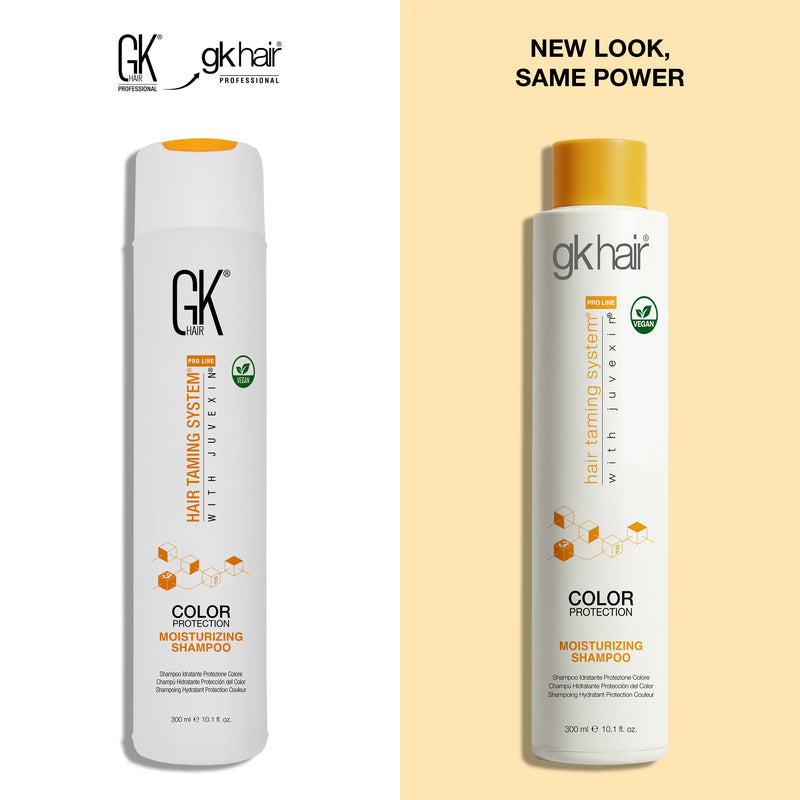
Before starting your hair care routine, wash away any built-up product or impurities from your hair by shampooing with a gentle cleanser suited to your hair type. If you have oily hair, opt for GK Hair Moisturizing Shampoo to keep oil at bay. It's gentle and best for normal to damaged hair. For dry or damaged hair, use a hydrating shampoo to help prevent breakage and frizz after washing. A rather squeaky feel doesn't mean your hair is well clean, your cleanser is simply removing more than you need. GK Hair is trusted by professionals in 75+ countries for over 20 years and has helped millions achieve salon-quality results at home.
Condition Your Hair
To get the most out of your hair care routine, following up with a good conditioner is essential. Conditioning helps soften and detangle strands while providing essential nutrients that can nourish and protect the hair shafts for better-looking locks. Apply the conditioner mainly through the mid-lengths and ends, where the hair tends to experience the most friction and exposure. If you have colored or highlighted hair, look for a formula designed to preserve moisture and minimize fading.
Add Treatments When Your Hair Needs Them
Hair treatments are an extra step that will give you maximum benefits when maintaining healthy locks and achieving salon-quality styles at home. They also help you address certain hair concerns. For example, a deep conditioning hair mask can help provide extra moisture to dry and damaged hair while a lightweight leave-in can make detangling and hair styling easier. A Deep conditioning treatment should also be used once or twice a week, depending on your hair type, to keep much-needed moisture locked in while preventing further damage caused by styling tools and environmental stressors.
Protect Your Hair From Heat
Whenever you use heat styling tools such as blow dryers, flat irons, or curlers, it's essential to protect each strand from intense exposure to heat by applying a heat protectant cream beforehand! Our ThermalStyleHer Cream is best applied to damp hair before blow-drying. It contains Juvexin V2, natural silicones and seed oils that help protect, smooth and condition the hair.
Best for: Those who heat-style regularly and want protection long-term.
Finish With Styling Products
Finally, use products your hair needs. That might be a hairspray or serum for frizz, a leave-in for detangling and a styling product for hold.
Stylist's Corner: Product quality matters more than product count every time. Apply leave-in treatments while your hair is still damp, say 80% dry. Damp hair allows lightweight conditioning products to spread more evenly through the strands instead of just sitting on the surface. A healthy hair care routine should make your hair easier to manage, not turn your hair into a fuss.
Hair Care Routine for Dry, Oily and Color-treated Hair
Your hair care routine for dry hair should focus on restoring and retaining moisture, while oily hair needs effective scalp cleansing without stripping oils. Color-treated hair sits somewhere between this balance: mild cleansing while protecting both color and moisture.
For dry strands, consider a moisturizing shampoo, a conditioner and a deep conditioning treatment once a while. For oily strands, your hair care routine should follow a shampoo wash in the scalp area. Colored hair benefits best from gentle cleansing and consistent conditioning. Just choose products according to what your hair is lacking.
Simple Hair Care Routine At Home
A simple hair care routine at home doesn't have to contain every product on the store shelf. Start with a shampoo and conditioner that suits your hair, add a treatment when necessary, and use a leave-in or styling product when you need extra protection or manageability.
Wash according to what your scalp requires and not just any schedule. Someone with an oily scalp will have to wash more frequently than someone with a dry or curly texture. Similarly, use a heat protectant when you heat style and when your hair feels dry, introduce deeper conditioning. The best hair care routine requires consistency.
Curly, Wavy and Textured Hair Care Routine
All levels of textured hair require different approaches because natural oils don't travel down easily from the scalp along the length of the hair. Your routine should balance cleansing with moisture and reduce unnecessary hair manipulation.
Curly Hair
A curly hair care routine should focus on moisture, detangling and definition without altering the curl pattern. Begin with a gentle cleanser, a moisturizing conditioner, and detangle immediately.
Wavy Hair
A wavy hair care routine needs light moisture. Heavy creams and oils make waves flat, so you should start with lightweight conditioning products and build up only when your hair actually needs more.
Our Leave-in Conditioner Spray is a best fit here because it is lightweight and made to ease detangling and moisturize hair before styling.
Best for: fine to medium waves that need softness and detangling.
Low porosity Hair
A low porosity 4C hair care routine benefits from lightweight, water-based conditioning products and product layering. Low porosity hair has a peculiarly tightly packed cuticle, which makes it harder for moisture and products to penetrate in.
High Porosity Hair
In building a high porosity hair care routine, keeping moisture in is highly important. High porosity hair can lose moisture out easily, so proper conditioning and protective styling are important in your hair care routine.
Natural and Coily Hair
If your hair is of the coily texture type, then a natural hair care routine is your best option to minimize unnecessary manipulation. Also, it should supply enough moisture, detangle the hair gently and protect the ends. If your hair is coarse or very dry, a regular daily conditioner isn't sufficient. Add a deep conditioning treatment to your routine.
Hair Care Routine for Fine, thinning Hair and Hair Growth
Unlike other hair types, fine hair doesn't really need more products. In fact, too many products leave it looking flat and greasy. Your fine hair care routine should be products that are lightweight, gentle cleansers, style-easy and conditioning. After all, coating the scalp makes it look dull and the roots weigh down.
Thinning Hair
Whenever you're preparing your hair care routine for thinning hair, you should focus on preserving the hair that you have. Avoid hairstyles and activities that will trigger hair loss. For example, tight hairstyles, aggressive brushing and excessive heat. If hair loss persists, then it's high time you saw a professional.
For Hair Growth and Thickness
Even though hair thickness and growth are genetic, a hair care routine for hair growth can help grow your hair out by preventing breakage and retaining the length of the hair. Most people's hair grows approximately 0.5 inches per month, so visible length gains require 6+ months of consistency. Simple things like eating adequately, gentle handling, protective styling, and consistent moisture and protein balance matter more than specialized 'growth' products.
Men's Hair Care Routine
Men's hair care routine isn't any different from a hair care routine for women. Start with a shampoo appropriate for your scalp, condition the length if your hair is medium. Use shampoo alone if you have shorter hair. Use a conditioner if your hair is longer, chemically treated or curly.
GK Hair offers a range of products around different hair types and concerns and can be adapted easily by men.
What Is the Best Hair Care Routine for Straight or Frizzy Hair?
The best hair care routine for straight or frizzy hair begins with the right cleansing, balanced conditioning and protection. Straight hair may get weighed down easily by products, while frizzy hair may require moisture. A hair care routine for straight hair, for example, is simple. Concentrate your conditioner on mid-lengths and apply styling products lightly. Meanwhile, a hair care routine for frizzy hair types would focus more on hydration, protection from humidity and heat.
A small amount of serum to the lengths can help smooth flyaways without making the routine a chore.
Weekly and Night Hair Care Routine
Sometimes, the best hair is made at night. You should have a night routine and an occasional routine such as your weekly treatment if you want to have many good hair days. Your night hair care routine may look like this: detangling gently, securing your hair at night, sleeping on silk or satin and avoiding sleeping with wet hair.
But that's not enough still, you need a weekly hair care routine. This includes deep conditioning, a scalp treatment and probably a specific treatment for your hair needs. Don't just add on unnecessary treatments if your hair doesn't need them.
Hair Care Routine Products You'll Actually Use
Building a routine that works doesn't require an entire product collection. Just a few products that solve the problem will do.
-
Moisturizing Shampoo and Conditioner
Your foundation products should be the shampoo and conditioner. Our Moisture and Hydration collection is vast, so using a moisturizing shampoo is the safest place you can be. It's best for dry, normal or treated hair that needs consistent moisture and manageability.
-
Argan Oil Serum
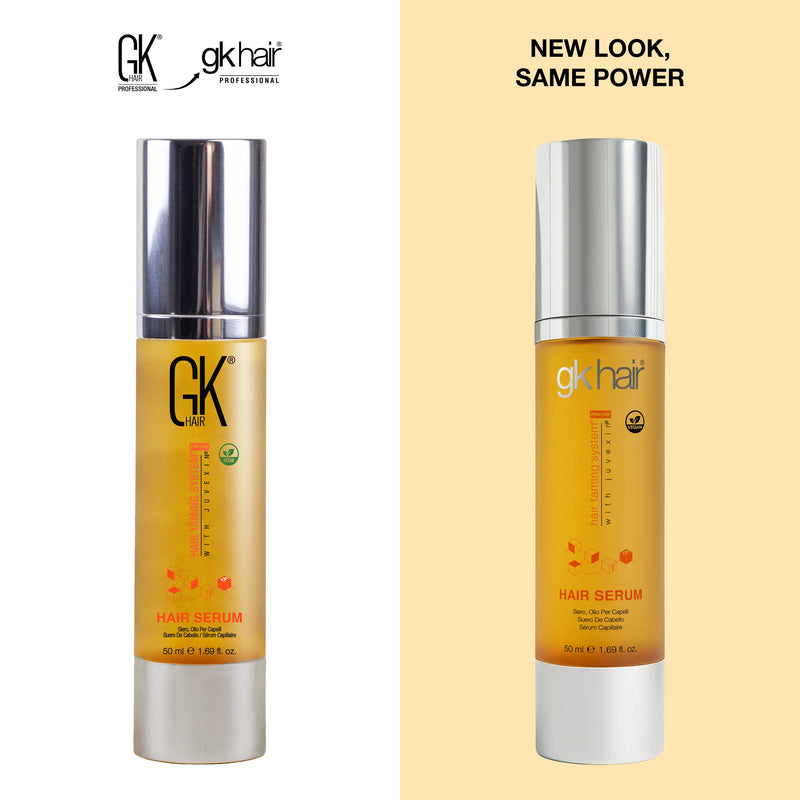
GK Hair Argan Oil Serum combines Juvexin V2, argan oil and natural silicones to moisturize, smooth and control frizz. It's best for frizzy hair, dry ends and giving shine without feeling heavy. Check the product page for its full ingredient list before use.
-
Deep Conditioner
A good conditioner contains humectants (like glycerin) to draw moisture and emollients (Argan or jojoba oil) to seal it. Use 1-2 times weekly for dry or damaged hair. Look for formulas with ingredients designed for your hair's specific needs. GK Hair Deep Conditioner is formulated for dry and damaged hair. It contains Juvexin V2, jojoba seed oil and natural grain extracts. It's best for dry, damaged, frizzy or chemically treated hair that needs conditioning.
Hair Care Routine for Damaged Hair
Damaged hair can be a tricky thing to deal with and requires extra attention when it comes to styling and caring for your locks. Start by avoiding heat styling as much as possible since high temperatures can weaken strands further, leading to breakage or split ends. When using heat tools, always apply a thermal cream beforehand, along with a low-heat setting, on the device to minimize potential damage. If your hair is already damaged by heat, here's how to deal with it.
It's also important to look for sulfate-free shampoos and conditioners that are gentler than traditional formulas and won't strip away essential moisture. Conditioning treatments should also be used twice a week to help lock in hydration while protecting fragile strands from environmental stressors. In addition, weekly masks containing nourishing oils and proteins can help replenish lost moisture and strengthen weakened cuticles.
Hair Care Routine Tips for Overall Hair Health
A good routine is actually really simple. Don't cleanse aggressively just because your hair feels oily. Don't use protein treatments constantly because your hair is damaged. Don't heat-style everyday. Don't pile on oils because your ends feel dry.
The first most important tip for having healthy hair is to keep it hydrated. Use moisturizing shampoo and conditioner that are formulated specifically for your type of hair such as dry, oily, or color-treated.
The other tips to keeping your hair healthy are: protecting your hair from heat damage when using hot styling tools, opting for ammonia-free formulas that will cause less damage when coloring or highlighting your hair, and lastly, taking regular trims every 6-8 weeks to eliminate potential split ends or damaged strands that could lead to further breakage if left untreated.
Find Your Personalized Routine
With the proper hair care routine and a few simple tips, you can easily maintain healthy locks that look salon-fresh or revive damaged hair back to its former glory! Taking proper care of your hair isn't just necessary but also essential if you want long-lasting results, so remember these steps when creating your personalized hair care routine at home!
FAQs
How long does it take to see results from a new hair care routine?
Some improvements such as softer hair, easier detangling can be noticeable almost immediately. Changes involving breakage, length retention, frizz and overall hair health takes longer. If you're committing to a new routine, give it several weeks of consistent use before drawing conclusions on whether it is working for you or not.
How often should you update your hair care routine as your hair changes?
Review your routine whether your hair's condition, texture, lifestyle or treatment history changes. If you have colored, relaxed, bleached your hair at some point, don't change your routine all at once. Don't replace everything, just do one or two targeted changes at once and observe.
Should your hair care routine change between seasons?
It can. Humidity may increase frizz, while dry or cold weather may make the hair feel dehydrated. During dry weather, you may need lighter products and more conditioning. Rather than completely changing your routine, adjust the products or frequency according to how your hair responds.
Does diet affect hair health?
Yes, it does. Hair follicles require adequate energy and nutrients, so insufficient protein, iron, zinc levels and other nutrients can contribute to hair thinning or loss in some cases. Immediately you suspect an unusual hair damage, see a healthcare professional to evaluate your diet.


Leave a Comment