


A wavy hair care routine does not involve making assumptions about what products may be used. In order to achieve the best outcomes, you must not copy straight hair routines for your wavy hair. To take care of wavy hair in 2026, it is necessary to be aware of details such as how it reacts to moisture, friction, product buildup and hairstyle patterns.
Why Wavy Hair Is Different
Wavy hair is neither straight nor curly, but it has its own structure and problems. Waves can easily lose definition, so they sit in the middle ground. They can also flatten at the roots, frizz unexpectedly and still dry at the ends. It is precisely that complexity that makes a customized wavy hair care routine important. The hair strand folds in an S shape and this increases its resistance to the smooth flow of natural oils from the root to the tip. This condition typically results in greasy hair at the scalp and dry hair at the ends.
Extreme environmental stressors such as UV radiation, pollution, hard water and frequent use of heat styling have increased the burden of maintaining wavy hair even more. In 2026, the trend places less emphasis on imposing uniform texture and more on maintaining hair integrity, elasticity and moisture balance. This is the foundation that one needs to understand in order to build a routine that works.
Are you having trouble deciding whether you have wavy hair or curly hair? Read more on: Understanding Hair Curl Types: Products for Each Pattern
How to Create a Powerful Wavy Hair Care Routine
1. Washing Wavy Hair Without Flattening or Drying It Out
The most common failure seen with hair routine for thick wavy hair is connected to washing, not the frequency of washing. It has to do with how cleansing is done. Wavy hair requires a shampoo that is effective in cleaning without drying out the hair. Excessive washing causes waves to become limp and frizzy, whilst inadequate washing causes the accumulation of products. Ultimately, the goal is balance.
The majority of professionals believe that wavy hair is to be washed twice or even thrice a week and this is subject to the state of the scalp and the way. Working out, hot weather or high-powered hair styling may also require more frequent washing but the formula of the shampoo must be gentle.
Whenever applying the shampoo, focus on the head and wash all the way to the ends. Rough scrubbing of the ends interferes with the waves’ form and dries the ends.
When using the shampoo, concentrate on the scalp and rinse through to the lengths. Scrubbing the ends aggressively disrupts the wave pattern and dries them out. Warm water is best, as it does not shock the hair cuticle. Use GK Hair’s Gold Shampoo to return natural youthfulness to your strands while giving them a gentle cleansing. It achieves this function through the infusion of Juvexin, keratin, aloe vera, shea butter and argan oil.
2. Conditioning Wavy Hair for Slip, Definition and Elasticity
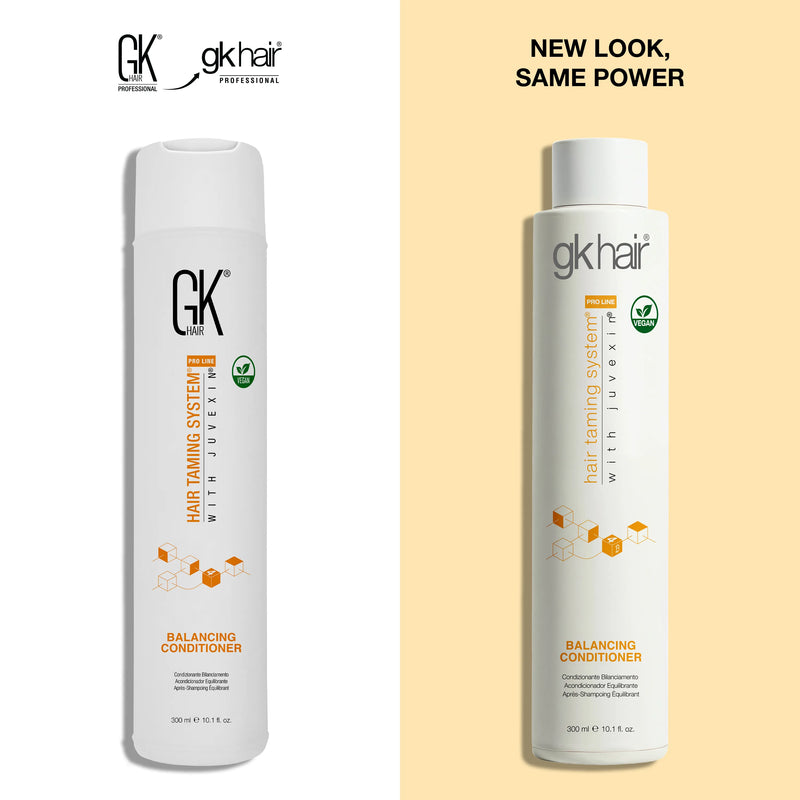
Waves do not have the choice of refusing conditioning because it provides structural support. When waves are deprived of proper conditioning, they become flattened, inelastic and dull. The trick lies in selecting conditioners that can moisturize the hair without coating it too much. GK Hair’s Balancing Conditioner fits the description perfectly, with its revolutionary formula that helps in cleaning excessive oil that makes hair greasy.

Buttery and thick formulas that are made to work on coily hair can overpower the waves, while ultra light conditioners might not give the expected slip.
In 2026, hair conditioning will be done strategically to achieve optimal results. It is done from the mid-lengths up to the ends, where dryness is the most prevalent. Detangling is crucial during this stage. Fingers or a wide tooth comb should be used to avoid breakage and maintain the wave pattern.
Deep conditioning once a week with GK Hair’s Deep Conditioner is more suitable to keep thick wavy hair soft and manageable. With finer waves, the roots become flat due to lighter conditioners or shorter conditioning times.
3. Styling Wavy Hair Without Forcing Texture
The way to style wavy hair is not to make it curl or straighten out the strands but to enhance the existing patterns.
The current wavy routines are all about lightweight layering rather than heavy styling. Creams, lotions or serums should improve the definition without making it stiff. Squeezing is another method of choice, which helps to promote the formation of the natural S pattern.
Hot weather interferes with moisture content and causes frizziness, while aggressive airflow stretches the hair into asymmetrical forms. Air-drying is still a valid option, but only when it is paired with products that control humidity response. This year, the goal is flexibility: hair should move, maintain shapes and be touchable instead of being overstyled.
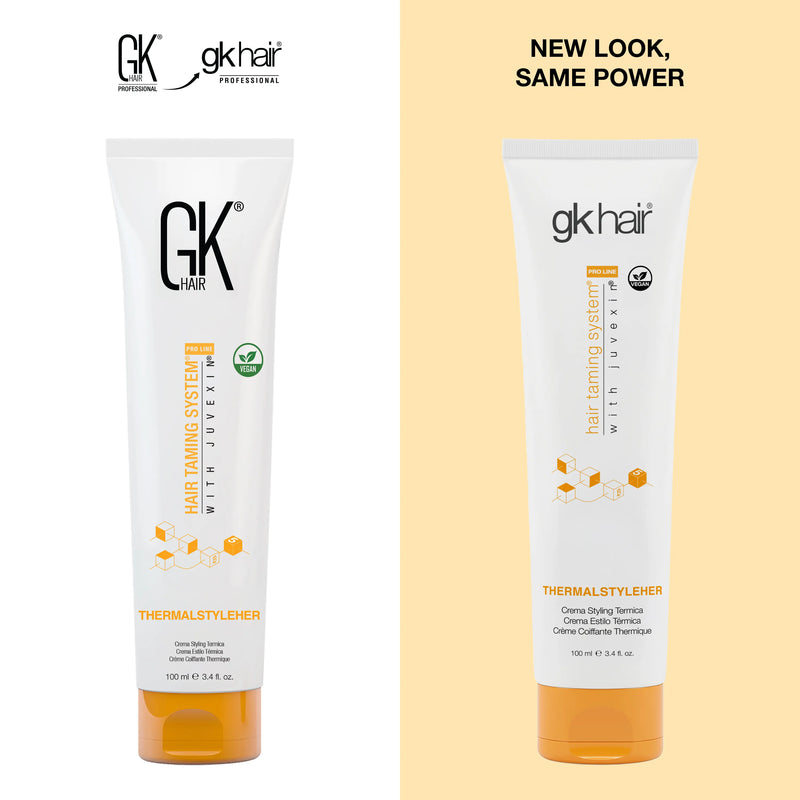
If you intend to use heat styling, use GK Hair’s ThermalStyleHer Cream. It protects against heat damage while nourishing the hair strands. The product contains high performance ingredients that work together to boost softness and shine in your hair.

Caring for Wavy Hair Between Wash Days
A complete hair routine for wavy hair does not stop on wash days. Waves are maintained between washes and that is how they appear to be deliberate and not accidental.
-
Waves may need to be refreshed with just moisture and not additional product. Water misting or a diluted leave in should be used to reactivate styling products that are already in the hair.
-
A soft scrunching of waves is enough to revive them without product accumulation.
-
Night care for your wavy hair is vital. Pillowcases made of cotton absorb moisture and cause more friction, resulting in waves flattened by morning. Silk or satin surfaces can be used to maintain the texture and minimize frizz.
-
Wave protection does not imply tight buns or braids. The best styles for preserving hair shape overnight are those that fit loosely and hold hair without tension.
Role of Water, Technique and Timing in Wave Care
How you treat your hair is no less important than the products that you use. Wavy hair is most vulnerable when wet. Rough towel-drying, aggressive brushing, or twisting hair tightly can interfere with the natural pattern before it even has a chance to form. Microfiber towels or cotton T-shirts are still the choice for blotting excess water without damaging it in 2026.
Timing is also paramount when building a hair routine for thick, wavy hair. Using styling gel when the hair is wet also helps to lock in the moisture and promote the formation of the waves. It is not wise to wait until almost dry, in which case there will be a sloppy texture and frizz.
These minor changes in temperature, method of drying and time of the product application make waves have observable differences with time.
The Most Common Reasons Wavy Hair Never Improves
Many people abandon their routines because they don’t see immediate results. It is important to know that wavy hair requires consistency. Some reasons for delayed results are:
-
Frequent product switching.
-
Excessive heat.
-
Constant brushing prevents waves from stabilizing.
-
The search for perfection
Hair needs time to adjust, recover and respond. Progress often appears gradually and in no time, you begin to notice better clumping, less frizz and improved softness.
Final Thought
The most effective wavy hair routines are simple, repeatable and adaptable. You will observe that they evolve with your lifestyle, environment and hair’s changing needs. Instead of just chasing trends, focus on understanding how your waves respond to moisture, handling and product layering.
When your routine supports hair health first, definition follows naturally. With all the right GK Hair Products, bad hair days are behind you!


Leave a Comment