


Seeing dye that turned out too dark staring back at you in the mirror can be panic-inducing. It's even more discouraging if the color won't come out of dry or porous ends. Here's the good news: you don't need to book a salon appointment or order a box of bleach. At GK Hair, where stylists work with clients in over 75 countries, we always start with the gentlest option first. Knowing how to lighten hair without bleach begins with fading hair slowly and gently to best maintain softness, shine, and integrity instead of jumping straight for another box dye.
Can You Lighten Hair Without Bleach?
Yes, lighten hair without bleach. Clarifying shampoos, vitamin C treatments, mild acidic rinses, and bleach-free dye formulations can all fade color slowly, particularly if you are trying to achieve only one to three shades lighter than your current color. Our stylists like to begin with the gentlest option, such as a clarifying wash or vitamin C treatment, and only reach for bleach if a client's desired color absolutely necessitates it.
How Do You Lighten Hair That Has Been Dyed Too Dark?
When your hair has been dyed too dark, you can lighten it at home by using clarifying shampoo, vitamin C, lemon juice, or a gentle bleach bath. These DIY hair-lightening methods work best when hair color is fresh, very uneven, or only one or two shades darker than intended. When beginning at level 6 hair or darker, we always recommend taking it slow.

Natural Ways to Lighten Hair Without Bleach
Natural methods are slower and lift color gradually over several washes, so they're your safest bet if you're googling how to lighten hair at home for the first time. They won't get you from jet black to platinum blonde overnight, but they can help soften harsh dye, fade brassiness, and give you some time before you have to make a drastic change.
How to Lighten Hair Naturally at Home
The best results are achieved through natural methods when you use something acidic, such as lemon juice or apple cider vinegar, along with multiple gentle washings, as opposed to one intense application. When used with sunlight, citric acid can slowly fade the melanin pigment in the hair shaft. Be sure to expect gradual results; it takes multiple applications a few days apart, not overnight.
Check Your Hair's Condition First
Gently stretch a strand of wet hair before you start. Healthy hair will stretch slightly and spring back; hair that snaps or feels mushy near the roots is already compromised and should stick to the gentlest options, like apple cider vinegar or clarifying shampoo, for now. If hair breaks easily when wet, hold off on lightening and deep conditioning for a couple of weeks first.
Baking Soda and Lemon Juice
Mixing baking soda and lemon juice together forms a paste that can fade super fresh dye. Use this gently as needed. Combine equal parts baking soda and lemon juice. Apply it to wet hair and leave on for five to 10 minutes. Rinse it out thoroughly.
Using lemon juice in hair can leave your strands feeling dry and brittle because lemon is acidic. According to Healthline, prolonged sun exposure following a lemon rinse is the biggest danger to your cuticles. However, Medical News Today states that repeated application of lemon juice alone can dry out your hair and cause it to break. Either way, don't use this method if your hair is already damaged or bleached. Apply a rich conditioner after this tip.
Apple Cider Vinegar
Apple cider vinegar may remove some buildup from color and hair products. Combine one part apple cider vinegar with two parts water. Pour it over wet hair and let it sit for a few minutes before rinsing it out. Apple cider vinegar is great for gently fading your color, but it won't have as dramatic a change as other methods. Don't use this more than once a week to avoid drying out your hair.
Vitamin C Tablets
Crushed vitamin C tablets can remove some newer artificial dyes. Combine crushed vitamin C tablets with a little shampoo until they form a paste. Apply it to wet hair and leave it on for 10 to 15 minutes. Vitamin C will not completely correct your color. Vitamin C is better at lightening semi-permanent color or fade that hasn't set yet.
Clarifying Shampoo
Clarifying shampoo can be one of the simplest first steps to fixing color that came out too dark. Wash hair with warm water, work the shampoo into your roots and lengths, then rinse thoroughly. Clarifying should not be something you do every day. Only do this once or twice a week and follow up with a deep conditioner.
Purple or Blue Shampoo
Purple shampoo doesn’t actually lighten hair, but it can tone down harshness in dark hair color. Purple shampoo is used to lessen yellow tones in color. Blue shampoo is used to neutralize orange or brassy tones. Toning shampoo works best when the hair color is too warm or yellow/orange. Apply the shampoo once a week, then monitor your tone so hair doesn’t get dull or flat.
Bleach Bath
As the name suggests, bleach baths aren’t as intense as full bleaching but should still be handled with care. If you’re reading this searching for tips on how to bleach hair at home, you should know that the best bleach for dark hair is usually handled by a stylist, particularly when you want to achieve bleach blonde hair or make a significant jump in shade.
Typically, you’ll mix bleach with shampoo to tone down the strength of the bleach powder. According to WebMD, bleach weakens hair and makes it prone to breakage by stripping away the hair cuticle. For this reason, don’t bleach hair that feels weak, rubbery, or is already breaking off.
Stylist Corner: When we do bleach baths at the salon, we like to mix bleach with moisturizing shampoo in a 1:1 ratio rather than using straight bleach. This allows us to be gentler on the hair while still lifting the color 1 to 2 shades. If you have dark hair, make sure to wait at least 2 weeks between bleach baths to allow the cuticle time to recover.
How to Lighten Dark or Dyed Hair Without Bleach
The first step to determining how to lighten dark hair without bleach is understanding that your hair may not lighten as much as you hope. Dark hair and previously colored hair have existing deposited color that will need to fade out before a new color can be visible. Learning how to lighten dyed hair without damaging it boils down to preparing the hair and then selecting a technique based on how much color is in the hair.
Using No-Bleach Hair Dye for Darker Hair
A no-bleach hair dye achieves its lighter shade by depositing color rather than lifting out the previous color. Because of this, your starting color will greatly determine your result. Demi-permanent colors and glosses work to fade brassiness and lighten overall dimension when applied to dyed or dark hair but will typically only lighten one level above your natural level.
To remove any box dye that is too dark, you can start with a clarifying shampoo wash to fade your color before re-coloring. Follow up with a conditioner that is safe for color to protect the hair strand while fading
Best Product to Restore Lightened Hair
Lightened hair looks its best with a simple care routine that clarifies remaining product buildup, replenishes moisture lost during processing, and seals in your refreshed tone. This doesn't mean packing your hair full of products. Think of it more as a streamlined regimen: take care of the basics, starting with a clean slate, then build on moisture, shine, and heat protection as needed.
Clarify with pH+ Shampoo
pH+ Shampoo is best for removing buildup from over-processed hair in need of a reset before corrective treatment. Massage a quarter-sized amount into wet hair from roots to ends, wait 1 to 3 minutes, then rinse. Step 1 is ideal to use before getting a corrective service done or use up to once a week on heavily built-up hair.
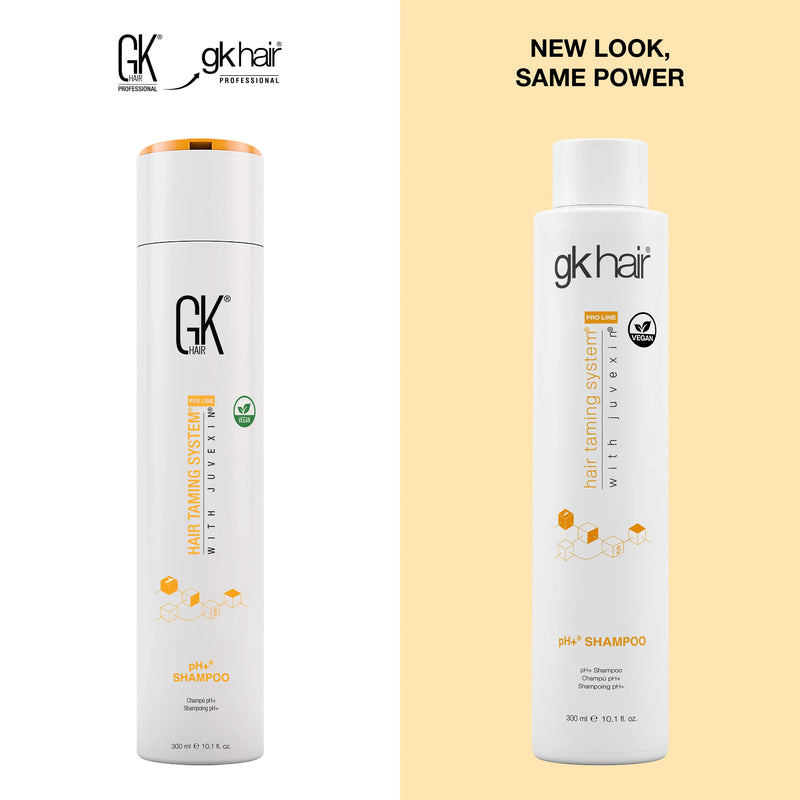
This shampoo can be used two to three times a week to fade color without stripping, unlike daily use of more intense clarifying formulas. Remember, this won't lighten as a true lifting agent would.
Think of it as a supplement to fade acceleration that can be used in between applications of the natural or no-bleach methods above. It's not a DIY recipe for lightening hair on its own. Check out the product page for a complete list of ingredients if you have a specific sensitivity.
Maintaining Hair Health While Lightening Without Bleach
All the methods above put some amount of stress on the hair shaft, even the gentle techniques. A quick aftercare regimen prevents your strands from becoming straw-like as your color fades into its new lighter shade.
Preventing Dryness and Damage During the Process
Typically, yes. It's less damaging because you're not using bleach, which is the most potent oxidizing agent. Acid rinses and repetitive clarifying rinses can become drying with prolonged use, however.
Conditioning thoroughly between each lightening treatment, avoiding heat styling, and allowing at least a few days between sessions will help maintain the integrity of the hair's protein as it adapts to the lighter color.
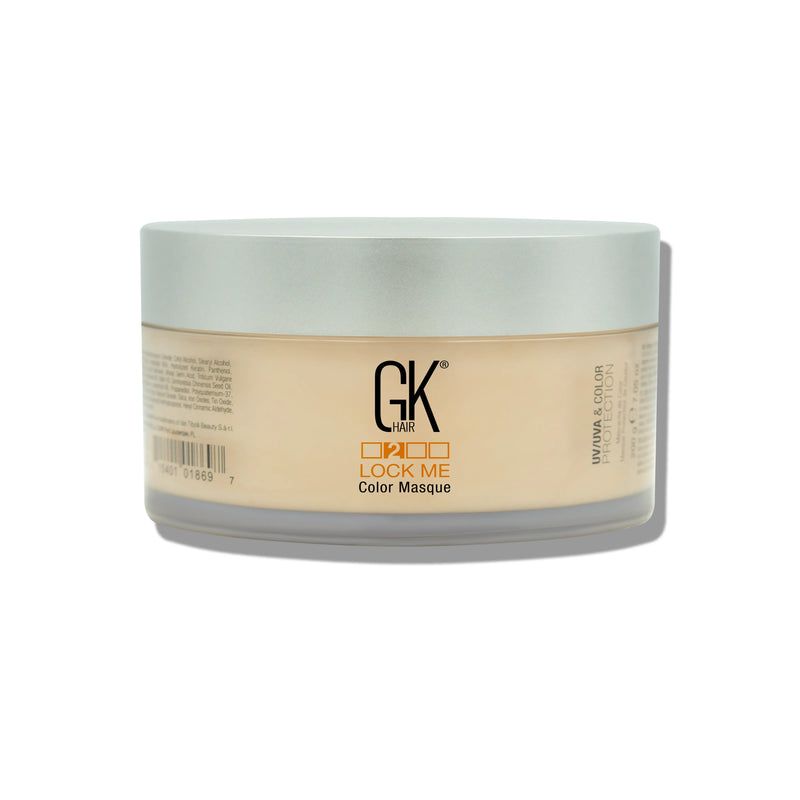
Deep Condition with Lock Me Color Masque
Lock Me Color Masque is best for adding moisture to color-treated or lightened hair in need of weekly refreshing and helps maintain color vibrancy. Dispense a generous scoop into your palm and apply from mid-lengths to ends. Avoid contact with the scalp and wait 5 minutes, then rinse. When at-home care fades or highlights, step 2 is best used once a week.
Seal the Ends with Argan Oil Serum
Argan Oil Serum is best for smoothing dry ends, adding shine, and reducing frizz after hair lightening. Dispense 1-2 pumps into palms and smooth product over damp or dry hair, focusing on mid-lengths through ends. It can be used after every wash or before styling.

Protect Before Heat with ThermalStyleHer Cream
ThermalStyleHer Cream is best for creating a protective barrier over blow-dried or flat-ironed hair that's just had color corrected. Dispense a pea-sized amount onto damp hair and focus on mid-lengths through ends. Step 4 should be used before heat styling, every time.

Maintain Color-Corrected Hair with Moisturizing Shampoo & Conditioner
Moisturizing Shampoo & Conditioner are best for maintaining soft, smooth, manageable hair after lightening and color correction. Apply a quarter-sized amount of shampoo to the scalp, rinse, then apply conditioner from mid-lengths to ends and wait 2 to 3 minutes.
Moisturizing Shampoo & Conditioner also help maintain color-treated hair that's had smoothing services done, since proper keratin treatment aftercare requires gentle cleansing and continued moisture with less daily manipulation.
How Do You Lighten Hair Without Bleach?
When people ask how to lighten hair without bleach, they usually want to fade their current dye. You cannot make huge leaps in color without bleaching, but clarifying shampoo, vitamin C, and gentle lemon methods can fade darker hair slowly. These tips are more effective in recent dye jobs, semi-permanent hair color, or color that's only a shade or two too dark.
If your research started with how to naturally lighten hair, proceed with the gentlest option and work up from there. Clarifying shampoo can fade surface-level buildup. Vitamin C can help break down artificial colors. You can use lemon juice to lighten hair, but it may dry out your strands, so be sure to condition your hair if you use this method.
Remember that none of these natural remedies will lighten your hair overnight. Your brown or black hair will not become blonde with the use of lemons, vinegar, or sunshine. If you want to ensure a clean, even lift without blotchy stripes, visit your stylist.
Hair Color Options That Do Not Require Bleaching
Do you have to bleach your hair to dye it? No, hair color can enhance your current level, darken it, or change the tone of your color without using any bleach whatsoever. Bleach is only required when you want to achieve a color that is lighter than your natural or current color because color does not lift on its own.
Choosing the Right Hair Dye for Dark Hair Without Bleach
Knowing the difference between these hair dye options can help you decide how to dye hair without bleach. Demi-permanent color doesn't require ammonia to process and can help tone dark, dull, or brassy strands while adding shine.
Semi-permanent color coats the surface of the hair and fades over time (usually four to six weeks), giving you a low-commitment way to test-drive a tonal tweak. If you have dark hair, you'll likely want to start with one of these formulas before making a bigger leap.
To go from deep brunette to a lighter blonde, find a light blonde hair dye that complements your skin tone by paying attention to the level and undertone. And be sure to choose a formula containing conditioning agents to help protect hair from the drying effects of bleach.
No-Bleach Lightening Options at a Glance
|
Method |
Best For |
Time to See Results |
Damage Level |
Typical Cost |
|
Clarifying shampoo wash |
Fresh semi-permanent dye or buildup |
2-4 washes |
Low |
$5-15 |
|
Vitamin C treatment |
Gently fading permanent color |
3-5 treatments |
Low |
$10-20 |
|
Lemon juice and sun |
Blonde to light brown hair |
Several sun sessions |
Low to moderate |
$3-8 |
|
Apple cider vinegar rinse |
Removing buildup, mild fading |
Weekly use over a month |
Low |
$5-10 |
|
Diluted bleach bath |
Dark or stubborn dye needing more lift |
1 session, repeat after 2 weeks |
Moderate |
$8-15 |
|
Demi/semi-permanent no-bleach dye |
Toning brassy or dark tones |
Immediate, fades over 4-6 weeks |
Low |
$6-15 |
What Is the Fastest Professional Way to Lighten Dyed Hair?
The quickest professional option is typically a color remover, controlled lightening, or corrective color service. Stylists can determine which hair lightener and developer strength will work with your current shade and may recommend a toner. Color removers work best at reversing mistakes made by dye but require precision as well.
Color Remover
A color remover works by breaking down artificial pigment so that it can be washed out of the hair. Color removers can be less damaging than bleach because they only target artificial pigment. But like bleach, misuse can leave hair dry or patchy.
Stylists often apply toner, gloss, or a nourishing treatment after using color remover. Partner salons share that their best results come from adding moisture treatments to color removal instead of constant bleach sessions.
Toning or Corrective Color
Toners can adjust the appearance of hair color without significantly lightening hair. Cool purple toners fix a dark brown shade with red undertones instead of lightening. If your hair has bands, orange tones, or mildewy ends, corrective color may be your best option. A stylist can assess the condition of your hair before applying more chemicals.
Professional Lightening
If large amounts of shade need to be changed, professional lighting is the safest option. Stylists can perform a strand test, use the appropriate developer strength, and apply bleach paste carefully. Salon visits make a difference when hair has drab box dye, black hair dye, stains from henna, or old bleach spots. These situations may fade patchily if rushed.
Bring Your Color Back to Balance
Tips on how to lighten hair safely can save your shade, your shine, and your confidence. Practice caution, feel your hair to see how it will react, and only ask for professional hair color when the color requires more than a mild fade. Take a look at the Shampoo & Conditioner Collection and give it a boost to your aftercare routine. GK Hair formulas are created for this type of corrective hair care journey and trusted by colorists in 75+ countries.
Learning how to lighten hair without bleach takes time, but it won't damage the hair you already have. Begin with the least damaging process your hair will tolerate, and try it a few times before moving on to heavier solutions. When your hair color has reached its new lighter hue, our Moisture & Hydration line is designed to help freshly lightened hair stay soft, shiny, and strong for years to come. Visit the collection now and learn how to protect your color.
Interested in Professional Smoothing Treatments?
Read our Complete Keratin Treatment Guide.


Lori
Muy buena información, me ayudará mucho, muchas gracias.
Nice blog! You’ve shared some really helpful and easy-to-follow tips for lightening dark hair at home.
Nice blog! You’ve shared some really helpful and easy-to-follow tips for lightening dark hair at home.
Leave a comment