


“Detox” and “clarifying” appear on bottles seemingly synonymously, but detox vs clarifying shampoo is truly a matter of strength. One strips everything away. The other just resets it. You care most about this before getting a color or keratin treatment. Understand what’s in each formula, and the better option becomes clear.
Detox Shampoo vs Clarifying Shampoo: What’s the Difference?
Quick answer: Clarifying and detox shampoos both remove buildup, but clarifying is more potent, using stronger surfactants to lift product and mineral buildup in a single wash. Detox is the gentler option, aimed at hard-water deposits and everyday residue. In short, a detox shampoo is a lighter clarifying shampoo dressed in spa-aisle language.

What Each Shampoo Is Designed to Do
Clarifying shampoo cleans everything you have put on your hair: styling gel, dry shampoo, conditioner residue, and your daily barrage of sebum. Its higher concentration of surfactants strips away that buildup in just one wash. That is clarifying vs. regular shampoo, explained: the clear dividing line between your daily cleanser and your weekly reboot.
Detox shampoo zeros in on what the world deposits in your hair: chlorine, hard-water minerals, and the residue that accumulates gradually over time.
Key Differences at a Glance
Laying out the differences side by side makes the strengths of each easier to see than to describe in writing.
| Factor | Clarifying Shampoo | Detox Shampoo |
|---|---|---|
| Core ingredients | Strong anionic surfactants, sometimes chelating agents | Milder surfactants plus additives like charcoal, clay, or salicylic acid |
| Cleansing strength | High: strips oil, product, and mineral buildup in one wash | Moderate: a softer reset aimed at specific residue types |
| Best used for | Heavy styling buildup, pre-treatment prep, hard-water deposits | Chlorine exposure, everyday scalp residue, lighter maintenance |
| How often | Once a week at most | Can usually be worked into a more regular rotation |
| Marketing language | Positioned as a functional, deep-clean step | Often framed around “toxins,” “impurities,” or “wellness” |
How Detox and Clarifying Shampoos Work
What separates detox vs clarifying shampoo starts with the ingredients in the bottle, rather than the label on the front of it.
How Clarifying Shampoos Remove Buildup
Healthline experts have explained how clarifying shampoo works: clarifying shampoo is formulated with surfactants such as ammonium or sodium lauryl sulfate. Surfactants essentially attach to oil and allow it to be rinsed away with water, as Helen Moore of the Trichological Society describes. Clarifying shampoo simply has more of them than your normal cleanser.
Clarifying shampoo may also include chelating agents. These attach themselves to mineral buildup on the hair shaft and help transform it into something that can be rinsed away.
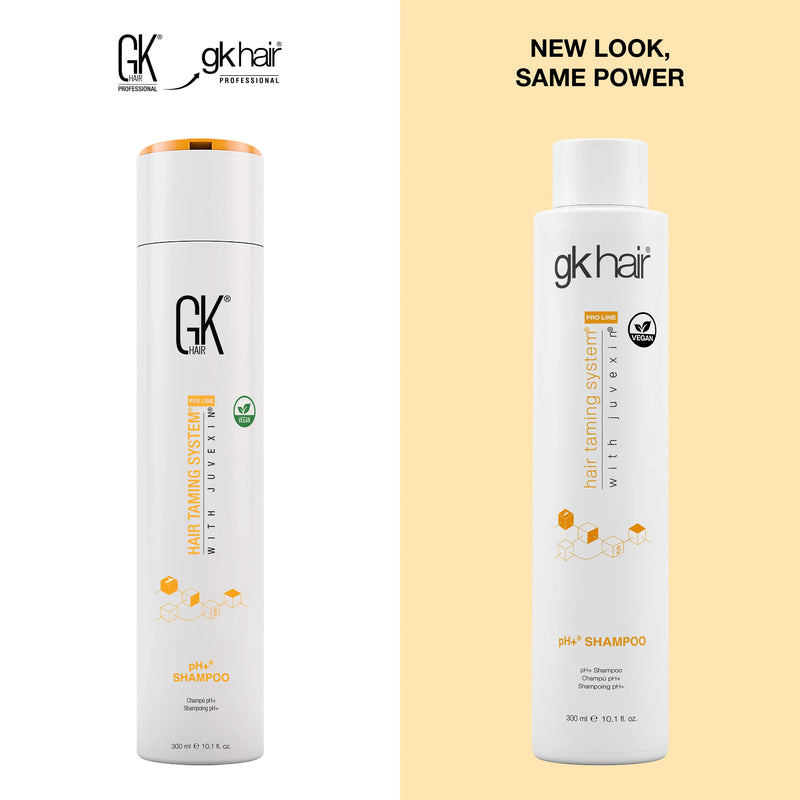
GK Hair pH+ Shampoo, used before professional smoothing treatments in over 75 countries, works on that same surfactant principle, stripping away buildup more deeply than a detox shampoo or your regular cleanser would.
How Detox Shampoos Target Impurities
So what does detox shampoo do differently? Most detox formulas swap sulfates for gentler cleansers. Charcoal, clay, or salicylic acid absorb oil and residue rather than pulling everything out at once.
Because they rely on those milder ingredients instead of the harsh synthetic surfactants found in stronger formulas, detox shampoos rarely deliver much deep conditioning. They are built to cleanse, not to nourish.
When to Choose Detox vs Clarifying Shampoo
Deciding when to use detox vs clarifying shampoo largely depends on the type of buildup you are dealing with and your hair’s current sensitivity.
Ideal Use Cases for Each Option
Reach for a hair detox shampoo when you are between high-maintenance phases, and a clarifying shampoo when your hair genuinely needs a deep cleanse. These are the scenarios where the choice is black and white:
- Choose clarifying shampoo when hair feels sticky with gel, dry shampoo, or oil after a day or two, before a keratin, color, or perm treatment, or after swimming in hard water.
- Choose detox shampoo when you swim in chlorinated water often, want a gentler option for weekly washes, or have a sensitive scalp you would like to deep clean occasionally without harsh sulfates.
Hair Types That Benefit Most
Hair type also plays a role in how forgiving either option is. Curly and coily hair needs buildup removed more often, since natural oils have a longer distance to travel down the hair shaft, and a curl-safe clarifying routine keeps that reset from costing you moisture.
Low porosity hair resists absorption, so it shows buildup faster. Our guide to clarifying shampoo for low porosity hair covers how frequently that texture should clarify. Color-treated hair requires the lightest touch of all, which is why clarifying shampoo for colored hair walks through maintaining your tone while removing residue.

Our pH+ Shampoo sits firmly on the clarifying side of the spectrum. Best for: hair carrying heavy styling or product buildup, hard-water mineral buildup, or hair about to undergo a keratin smoothing treatment. Wet hair and massage into a lather, leave on for one to three minutes, then rinse thoroughly.
If you have virgin hair you are prepping for a treatment, you can repeat the wash up to two more times to be sure all product is removed. Formulated with Juvexin V2, our signature keratin protein blend, along with aloe vera, it cleanses while maintaining your hair’s natural strength. Use it once a week in place of your regular shampoo rather than as a daily cleanser.
Stylist’s Corner
If a client is getting a keratin or color service in the next 48 hours, skip the detox shampoo that week. Clay and charcoal can leave a light film behind, which prevents the treatment from absorbing evenly.
Can You Use Both Detox and Clarifying Shampoo?
Yes, but not back to back. Use clarifying for the occasional deep strip and a gentler detox formula for lighter resets in between. Do both too often and you will strip your hair of moisture. Spacing matters more than sequence.
Alternating Products
“Do you use detox shampoo before regular shampoo?” is a question we hear often, and it assumes detox belongs as a first step in the same wash. In most weeks it does not. A detox shampoo simply substitutes for your regular shampoo on wash day.
If you already clarify every so often, a detox formula fills the gaps during your lighter weeks. Our guide to how often to use clarifying shampoo lays out a rotation you can actually keep to.
Still unsure how to use detox shampoo alongside a clarifying shampoo? Give each one its own wash day.
Avoiding Over-Cleansing
The American Academy of Dermatology’s guidelines for healthy hair suggest shampooing as often as your scalp gets oily, and concentrating the shampoo on your scalp rather than working it down the lengths, since the lengths dry out easily.
Clarifying and detoxing in the same week, on top of your normal shampoo routine, removes far more than your hair needs. You will know you have gone overboard when your hair squeaks against your fingers as you rinse.

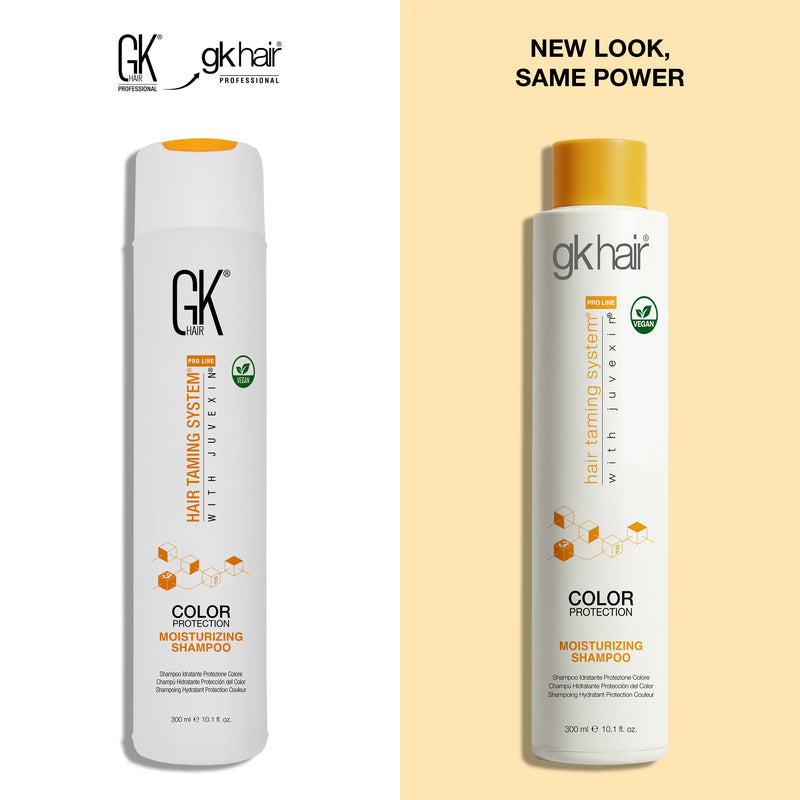
So what do you use in between a clarifying wash and a detox wash? You still shampoo. Our Moisturizing Shampoo was created for exactly that daily cleansing. Best for: daily or every-other-day washing on dry, colored, or chemically treated hair that needs moisture back after clarifying. Apply a coin-sized amount to wet hair, lather, and rinse. Follow with a conditioner.
Common Misconceptions
Most of the confusion around detox vs clarifying shampoo comes down to marketing, not chemistry.
Do They Mean the Same Thing?
No, despite most brands tossing the words around interchangeably. Clarifying shampoo is the industry-standard term for formulas built with higher concentrations of surfactants. “Detox” is newer, spa-inspired branding for what is usually a gentler version of the same thing. Some companies muddy it further by selling a single product marketed as a clarifying detox shampoo that borrows from both.
Marketing Terms vs Formulation Differences
Detox shampoos lean on buzzwords like “toxins” to suggest the formula is pulling harmful chemicals out of your body. That is misleading. What these formulas actually target is hard-water minerals such as calcium, magnesium, copper, and iron, not industrial pollutants, and no shampoo detoxifies your body from the outside.
That does not make mineral-targeting shampoo useless. It just means the marketing promised more than the chemistry delivers. Minerals left in your hair by hard water are a measurable, real problem. Calling the fix a “detox” is branding, not science.
Choosing the Right Option for Your Hair
Testing what your hair is actually carrying strips away most of the marketing mystique.
Product Buildup
Heavy gels, mousses, dry shampoos, and leave-in creams accumulate quickly, and clarifying shampoo dissolves that buildup in a single wash. If what has built up is old semi-permanent dye rather than styling product, our guide to using clarifying shampoo to remove hair dye covers that case specifically.
Hard Water
Hard-water minerals settle onto the hair shaft and show up as dullness or color that looks slightly off, sometimes within a week for homes on well water or older plumbing. A clarifying wash with chelating ingredients is what breaks that cycle before it affects your color.
Oily Scalp
An oily scalp that feels heavy by day two benefits from clarifying, since sebum needs real surfactant strength to lift completely. A gentler detox formula on its own usually cannot keep pace with daily oil production.
Frequently Asked Questions
What is the difference between detox shampoo and clarifying shampoo?
The main difference is degree and messaging. The surfactants in clarifying shampoo are more powerful than those in regular or detox shampoos, so more residue lifts away in a single wash. Detox shampoos are typically less potent versions of the same idea, wrapped in wellness-style branding.
Does detox shampoo work differently from clarifying shampoo?
Yes, though the difference is how much rather than how. Both work by removing buildup. Clarifying shampoo uses stronger cleansing agents for a faster, deeper result, while detox formulas pair milder surfactants with absorbers like clay or charcoal.
Can you use detox shampoo and clarifying shampoo together?
Yes, but not in the same wash. Rotate them instead: use a clarifying shampoo occasionally for a true deep cleanse, and a gentler detox formula on the lighter days in between. Using both in one session risks over-stripping your hair and leaving it dry.
Is detox shampoo the same as clarifying shampoo?
Not necessarily. Clarifying refers to a specific type of formulation built around a powerful surfactant blend. Detox is a newer term that can mean anything from a genuinely milder, mineral-targeting formula to a standard clarifying shampoo packaged as a spa product.
How do I know whether I need a detox or a clarifying shampoo?
Work out what is causing the dullness. Heavy buildup, a hard-water film, or a coated feeling all call for a clarifying shampoo. A detox shampoo suits softer city water, chlorine exposure, or an occasional refresh. If you are still unsure, start with the gentler detox formula, and move up to clarifying if your hair still feels weighed down afterward.
Making the Right Call for Your Wash Day
Choosing between a detox vs clarifying shampoo comes down to what has accumulated in your hair, not the name on the bottle. Heavy residue and hard-water film call for a clarifying wash. Lighter resets are what detox formulas are for. Our pH+ Shampoo handles the clarifying side. Browse the Shampoo and Conditioner collection to pick your next wash day pairing.


Dejar un comentario