


Keratin treatment before and after photos can look a little crazy, but what’s really changing is your hair texture. Your hair, which would puff up early in the morning, is now the hair that survives a humid commute intact. How extreme this is depends on your texture, damage, and formula. Let’s break down what actually changes by hair type.
What to Expect Before and After a Keratin Treatment
You can expect your hair to look shinier and more manageable after your first treatment. Many people anticipate the pin-straight hair look, but then a quality treatment will give an even sleeker result. This is because the treatment gives a more polished cuticle, which ultimately reflects more light rather than scattering it.
However, there could also be some compromises people don't anticipate. For instance, some hair types that look bouncy at first could get flattened after the first few weeks. This aftermath is largely determined by your hair's history (color, previous relaxers, heat damage, etc.). A key thing you want to do before getting a keratin treatment for the first time is to let your stylist know all about your hair history.
Price is also something to consider. Keratin treatments cost between $150 – $400 per salon visit, depending on length, texture, and location. So make sure to consult the keratin treatment cost guide to determine pricing before you schedule or fall in love with a photo you saw online.
Real Keratin Treatment Before and After Results
The best keratin before and after photos are taken from real case files of clients' hair and not the conventional photos you'll find in an article. Here are 3 of the most common transformations we see in our partner salons with the help of keratin.
-
Case 1: Fine, frizzy, and colored hair. In the past, this hair texture would knot quickly, appear dry at the ends, and would frizzle when humidity was present. Once fully treated, the strands will be flatter, less prone to tangling, and the color will appear much richer, as there is no light scattering from the cuticle.

What This Transformation Tells Us: Fine, color-treated hair shows a difference quickly with keratin because it has less natural protein to block the keratin, and it works quickly. The problem is that it comes with a price tag, and it also wears out earlier, typically around the 8–10 week mark, rather than four months as is the case typically.
-
Case 2: Coarse, thick, and curly hair. Prior to this, this kind of hair would take a lot more than an hour to blow-dry and would absorb water like a sponge, hence the frizz. With the treatment, the drying time shortens to about half of the normal time, and the curl relaxes. However, unless the stylist does an ironing action to make it straighter, it doesn't relax completely.

What This Transformation Tells Us: Coarse and dense hair will take longer and more product for the same keratin treatment results as fine hair. Patience is key during the application here.
-
Case 3: Fine, oily, and limp hair. This hair type doesn't curl, and it easily flattens out. A good treatment doesn't just make it look fuller for a moment; it helps the hair keep its shape and style throughout the day.

What This Transformation Tells Us: The best result isn't necessarily very straight, shiny, or extremely voluminous hair; it's hair that has natural body and stays styled longer.
All three of these results are temporary, and how long they last depends largely on your hair's porosity. With that in mind, it's worth understanding how long a keratin treatment typically lasts before setting your expectations based on a single before-and-after photo.
Your stylist should also be your go-to when answering one question: Does keratin treatment cause damage to already damaged hair? The honest answer differs by formula and application, not by service.
Ask about formaldehyde: US regulators have deemed formaldehyde-releasing smoothing products a potential health risk for both customers and stylists. That's why GK Hair formulas are formaldehyde-free.
Before and After Results by Hair Type
Curl pattern tells better than any other attribute whether a particular After look is realistic.
Keratin Treatment Results on Curly Hair
Keratin treatment before and after curly hair photos typically amaze people since the curls don't disappear, but loosen.
It's even more noticeable when you see a difference between the keratin treatment on 4C hair before and after application. You'll find the entire coil pattern is still there, unless the stylist actually flat-irons it out with a blow dryer, but the shrinkage is minimized, length is gained, and detangling takes less time owing to the keratin treatment.
"Curly" refers to everything from the size of a curl to the end of the size of a curl, and the results of a before and after on curly hair can be anything from barely loose curls to almost straight hair, from the same formula.
Results on Wavy, Frizzy, Thin, and Natural Hair
Keratin treatment before and after wavy hair maintains the wave's S-pattern, but without the frizz and flyaways that disrupt the pattern. Keratin treatment before and after frizzy hair tends to show the most drastic results.
Eliminating frizz is what keratin treatments are designed for. Keratin treatment before and after thin hair requires a lighter formula and less processing time. Too much of either will leave fine strands limp and greasy rather than smooth. Keratin treatment on natural hair before and after (hair that has never been colored or chemically treated) typically has the most predictable results, as there is no uneven porosity.
The same principle goes for keratin treatment before and after men: it's generally a quicker process with less concern about length and more focused on controlling thickness and wiry volume. If color is involved, before and after on color-treated hair is worth a look, since colored strands react differently to heat.
How the Keratin Treatment Process Affects Results
There are two factors at play in the actual results you see in the mirror: the effects of the treatment on your hair and the hair that you bring to the table before treatment. The first one is chemistry. The second is history, color, porosity, and previous damage, and it plays an equally important role.
How Does Keratin Treatment Work?
A keratin treatment fills cracks in the damaged cuticle with protein, then heat seals it to the surface, creating hair that lies flatter and reflects more light. Our formulations are enriched with Juvexin, which is a unique non-hydrolyzed keratin protein complex that fully penetrates into the cortex and envelops the cuticle. Most formulas use hydrolyzed keratin, which only remains on the surface. That's why our results last longer between washes.
That's unlike most hair straightening products, which attempt to break and reform the internal bonds of the hair, rather than coating and smoothing the external surfaces. The basic keratin treatment steps are quite similar to other professional hair services: a process, application, set-in, sealing, and final rinse.
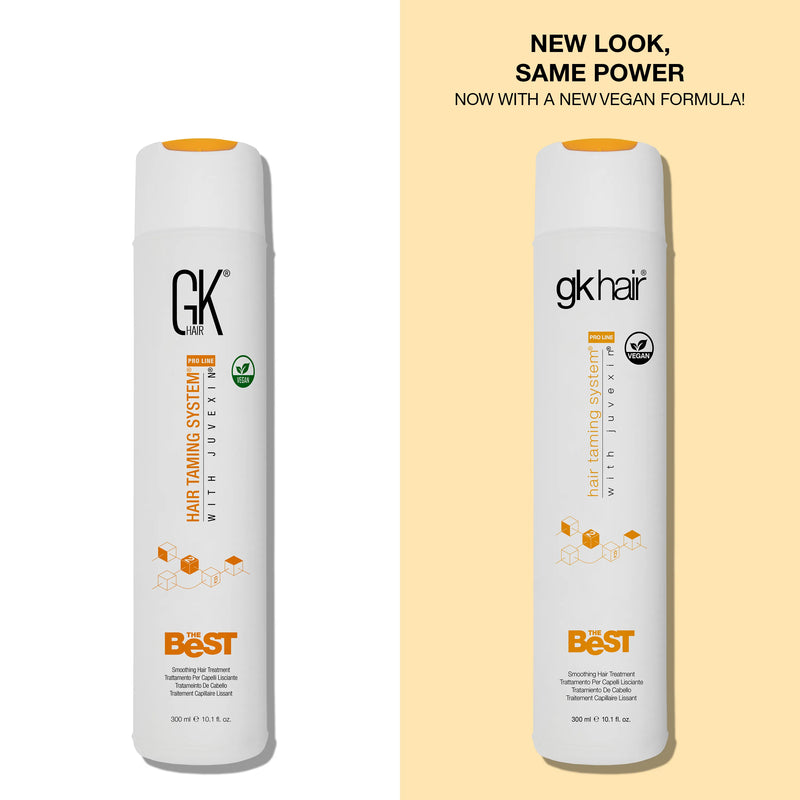
Professional formulas such as GK Hair The Best Hair Treatment are applied in one-inch sections from mid-shaft to ends and then sealed when your stylist heat sets the porosity of your hair according to your preferred setting; most people will redo the whole treatment every 3–4 months when they are naturally required to redo their styling. Best for: fine to medium hair that requires smoothing without volume loss.

Brazilian blowouts and keratin treatments are given the same treatment, but by the 3-month mark, the Brazilian blowout vs keratin treatment results show obvious differences: one condition leaves the hair smooth for longer, while the other keeps the natural body. Those stylists who follow the complete keratin treatment guide, instead of cutting out parts of it to save chair time, tend to achieve the longer-lasting, more consistent results from the treatment.
Factors That Influence Before and After Results
Your hair's pre-existing level of damage, not the actual product, will determine how hair responds to being treated. Virgin hair has no chemical history, absorbs keratin more evenly, and retains it longer.
Hair porosity, or how open or closed the cuticle is, determines how much moisture and product a strand will absorb and retain; this is why bleached or previously relaxed hair reacts differently when getting the same service. Over-bleached hair or very relaxed hair takes in protein rapidly due to the porosity, but will lose it quickly as well.
Hair that has been dyed with old box dye can process unevenly in some areas and not in others, so a patch test is more important than may be thought. Before and after are completely erased by humidity, hard water, and how often you wash.
Tips to Get the Best Keratin Treatment Results
Do keratin treatments work for everyone? In most cases, yes, but the nature of "work" varies according to one's starting texture, and the very best version of one's end results depends on some habits outside of the chair.
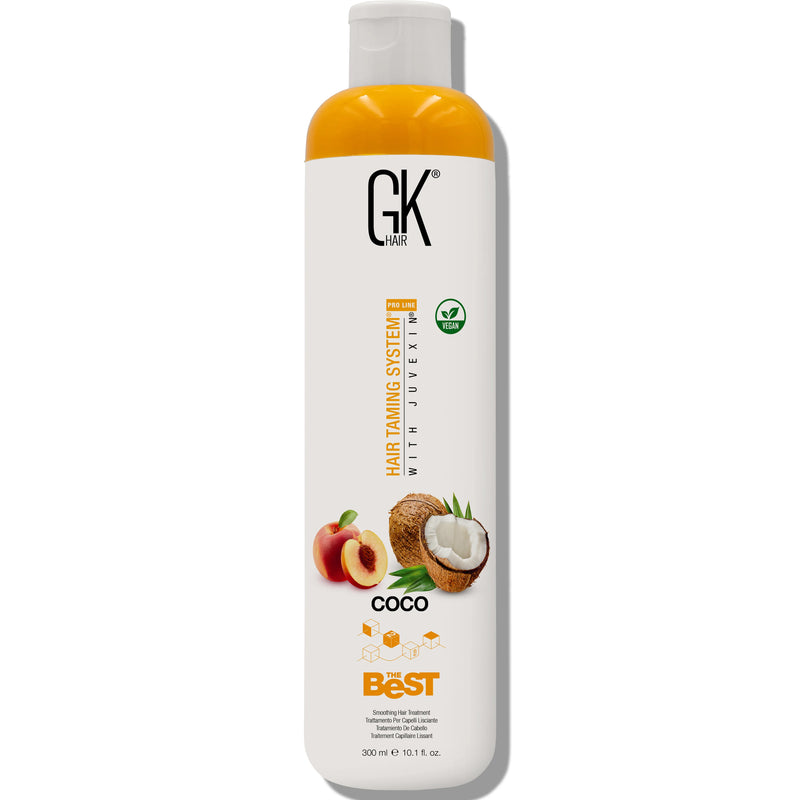
For this, use the Best Coco Hair Treatment. Best for: coarse, curly, or color-treated hair. It's applied from root to tip of damp, sectioned hair, processed for the amount of time the stylist prescribes according to the porosity of the hair, and is generally reapplied twice a year.

Common Mistakes That Affect Results
-
Washing too soon. Most of our formulas require a minimum of 72 hours before the first shampoo after a keratin treatment. Read your particular treatment's aftercare instructions, as some formulas can take up to 4 days for the seal to completely set.
-
Skipping sulfate-free products. Shampoos strip the treatment much quicker than just about anything else.
-
Overdue trims. Split ends ascend up the hair shaft and create the impression of coarser hair than that which the treatment implies.
-
High heat styling right on the heels of it, which can lead to a lack of smoothness that isn't intended.
-
Booking too often. If you use the same service again without at least 3 months in between, you will get buildup and may experience a "coated" hair feel.
In between salon visits, use the sulfate-free Moisturizing Shampoo and Conditioner along with a Leave-In Cream to maintain the seal. Apply Argan Oil Serum to bring back shine without saturating your freshly sealed hair.
The reason most of the results are shorter has to do with the first week, which is why it's better to follow the keratin treatment aftercare rules so that the results show in four months instead of six weeks.
However, it is not necessarily restricted to salon visits; at-home keratin treatment remedies are typically less powerful, and the outcomes are real, but won't last as long as salon treatments will. Although frizz control is the focus, the full list of keratin treatment benefits is more than that, as it also enhances the strength of the fiber and prevents hair breakage, particularly for colored and relaxed hair.
Stylist's Corner
Do a strand test on one area near the nape before coloring the entire head. It will tell you in 10 minutes whether that hair will fade fast or fade before the end of the 3–4 months, or whether it will hold up for the 3–4 months. Photos won't show you that.
FAQs
What results should you be able to get with a keratin treatment?
Clients will usually experience less frizz, more shine, and speed through styling after a keratin treatment. Other than that, your results may differ depending on what your hair is like now. Texture and damage play key factors in what you can achieve. Two clients can get the same service done by the same stylist and leave with different results due to where their hair started from.
Does keratin straighten hair?
Not quite. The keratin treatment flattens the cuticle and removes frizz in the hair. It doesn't chemically straighten the hair like a relaxer would, but it does it in a natural way. Most people will have curls and waves that will loosen, but won't go completely away, so while there will be some texture to work with, it will be less over-frizzy.
How long do keratin treatment results last?
If followed with good aftercare, a keratin treatment will last for 3 to 4 months in general. Because fine hair or previously colored treated hair takes up protein the fastest at first, they tend to lose color earlier, typically sooner than 2 months. If you have coarse hair that has not been chemically processed, you can expect it to last for more than 4 months, and after which you can expect the hair texture to return entirely.
Is it effective on all types of hair?
No. The "after" photos will differ depending on the type of hair, since the pattern of curls, porosity, and chemical history of the hair will play a role in the way the keratin binds to the hair strand. The effect is likely to be most easily discernible in fine and color-treated hair and least easily discernible in coarse or coily hair, which will require more product and time to achieve a similar effect.
Does a keratin treatment cure frizzy hair without making hair completely straight?
Yes, most people desire that. The lighter you go, or the less time you process, the more of your natural curl or wave will remain, and you can actually still minimize frizz and make hair easier to style. The disadvantage is that you might not have a time of 12-16 weeks between fading.
The Only Before and After That Matters
The best keratin treatment before and after pictures are the ones that will show you how your hair will feel after 60 days, not the way it looks in the picture. In more than 75 countries worldwide, the formulas of the brand GK Hair are used throughout the entire salon.
Fine hair in Europe, thick and coarse coily hair in Africa and South America, you'll see the same basic chemistry applied, but different calibrations to make up the difference. Hair treatments are designed according to the type of your hair and the damage it shows, not by the other's treatment, so browse through our Hair Treatments collection, compare the formulas with each other before coming to the appointment.


This process is so confusing!
Leave a comment