


Does keratin treatment damage hair? Not when used properly and maintained correctly afterward. It's not the keratin protein that's the problem, but rather excess heat, intense formulas of formaldehyde, and neglecting to follow up on proper maintenance. The most susceptible hair to visible damage is curly, fine, bleached, and relaxed hair, and this guide explains how to avoid it.
Does Keratin Treatment Damage Hair?
No, keratin treatments will not harm healthy hair as such. Keratin does not chemically weaken the hair like bleach or a relaxer does, and coats and smooths the hair shaft. Damage occurs when a stylist uses a formula that contains formaldehyde, applies too much heat, or treats weak hair, such as that that has been weakened by color or previous chemical treatments.

Understanding the comprehensive guide to keratin treatments, which goes into a bit more detail than most in-salon consultations on the mechanics of each step, including the type of formula and timing.
Why People Think Keratin Damages Hair
Is keratin treatment bad for hair? Many people think so, mainly because “keratin treatment” has become an umbrella term for vastly different services. Some offer actual keratin-based smoothing systems. Others rely on relaxers or a Brazilian blowout that typically has far more formaldehyde in it, then market the outcome as if it were the same thing.
Does keratin straighten hair on its own? Not really. Keratin smooths down the cuticle and reduces frizz, but it’s the flat iron used to seal it into place that actually gives hair its straight, shiny appearance. And it’s that heat, more than the keratin itself, that clients typically feel burned about.
When Can a Keratin Treatment Cause Damage?
Some hair textures and conditions have experienced lasting damage after getting keratin treatments, but why does keratin treatment damage hair in some cases and not others?
Three variables interact during the treatment process: the formula chemistry, the heat used to seal the treatment, and the starting condition of the hair before the service begins. Mess up any of these steps, and you risk damaging hair with a keratin treatment.
Poor Application and Excessive Heat
Stories of keratin treatment gone wrong are usually the result of over-processing. Either the chemical formula was left on too long, or the flatiron was too hot for the hair to tolerate. Formaldehyde or formaldehyde-releasing ingredients are common mechanisms for sealing traditional formulas.
The FDA has proposed limiting formaldehyde releasers in hair smoothing and straightening products. Consult with your stylist about what is in your treatment before it goes on your hair.
If you DIY your keratin treatment at home, you’re taking even more risk. An at-home keratin treatment doesn’t have the stylist’s benefit of analyzing your hair texture and recommending or customizing application techniques. It’s easy to leave the chemicals on too long for fine hair or under-seal thick hair by guessing how long you should wait.
Thin, Bleached, and Overprocessed Hair
Damaged hair after keratin treatment is most commonly seen in these hair types. Whether from bleach or color treatments, damaged hair doesn’t tolerate the heat like undamaged hair. A raised cuticle from chemicals has less integrity to maintain the strength of the cortex beneath.
What’s considered a normal pass with the flat iron (around 400 degrees) on virgin hair can fry overworked hair. If you color your hair (especially blondes), ask your stylist to lower the flat iron’s temperature and cut down on processing time.
Hair Types More Prone to Damage
Straight, many keratin professionals consider virgin hair to be the lowest risk for damage from keratin treatments. However, according to the Cleveland Clinic, keratin treatments can change curl patterns. That means fragile hair or hair with texture needs extra care during the application process.
Sun exposure, coloring, and even heat styling all break down your hair’s natural keratin over time. Textured hair and tightly curled hair have less room for error because their hair is already compromised prior to keratin treatment for curly hair.
Common Side Effects of Keratin Treatments
Overuse always causes keratin hair treatment side effects, or using a formula that isn’t right for your hair type. It’s very rare that anyone has a bad reaction to just one bottle of product. Are keratin treatments bad for your hair across the board? Not necessarily, but getting frequent sessions without allowing enough recovery time in between, or neglecting sulfate-free maintenance, are how most clients sabotage their hair.
Dryness, Breakage, and Irritation
These are the side effects we hear about most often:
-
Dry hair or increased porosity, especially at the ends
-
Breakage or split ends after high-heat sealing is done too frequently
-
Scalp irritation during processing, or a strong chemical odor
-
Temporary color change or fading on color-treated hair
-
An uncomfortably stiff or straw-like texture from too much protein build-up
-
Flat, weighed-down roots if the formula is applied too deeply near the scalp
We see keratin hair treatment damage happen time and time again: clients forego a sulfate-free maintenance routine and find that their hair not only loses its smoothness in six to eight weeks, but they may also lose length to breakage. Nine times out of ten, the formula isn’t blamed for this result.
How to Prevent Hair Damage
Damage prevention begins with selecting a treatment that's appropriate for your hair's needs and having a solid aftercare plan to maintain those results.
Choosing the Right Formula and Aftercare
Keratin treatments from GK Hair are built around juvexin, our non-hydrolyzed keratin protein blend, which works its way into the cortex of the hair and seals onto the cuticle, as opposed to the formaldehyde-based systems many salons still use. A formaldehyde-free alternative eliminates one of the most harmful risks clients face before they even walk in the door.
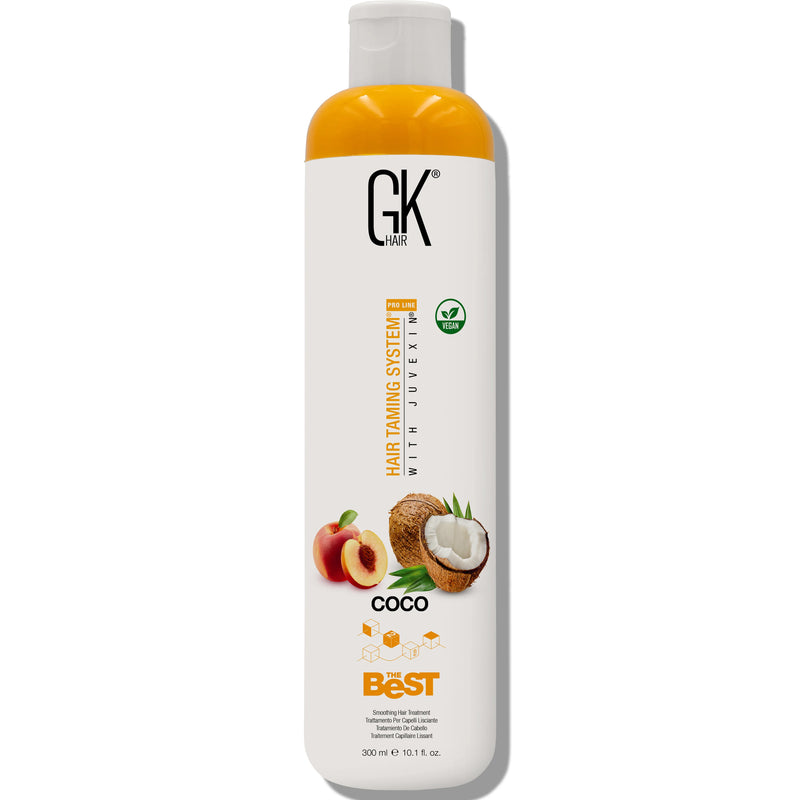
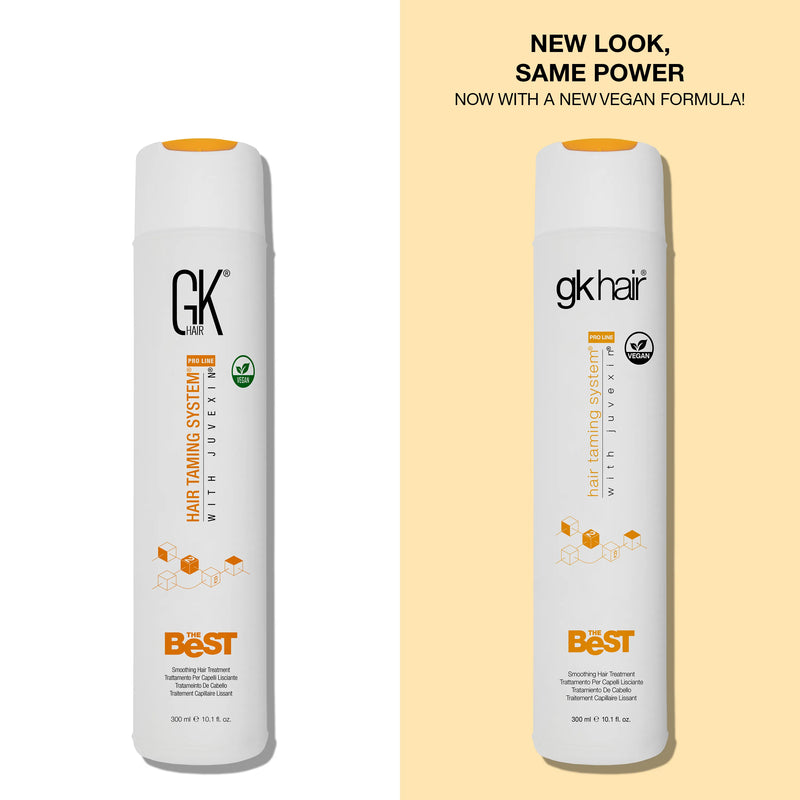
The Best Hair Treatment is best for dry, frizzy, or previously relaxed hair, whether fine and wavy or thick and coarse, providing deep conditioning for added moisture and frizz reduction, all formaldehyde-free.

Sections are processed for 40 minutes on fine or wavy hair and up to 60 minutes on thick, coarse, or tightly curled textures, then sealed with a flat iron set between 370-410 degrees, depending on your hair's current condition. Keratin treatment results can last anywhere from three to five months, and you can even wash your hair the same day.
Ingredient lists for each of our formulas are available on their respective product pages, so those with sensitivities can double-check before scheduling. Proper aftercare to prevent damage after your appointment is just as important as the formula you choose.
The use of sulfates in shampoos and conditioners strips the treatment from your hair quicker and requires stylists to perform more frequent reapplications over the course of a year, adding up in terms of heat exposure during touch-ups.
It's also important to remember that too much protein isn't good for your hair, either. Studies of protein build-up on hair show that hair with texture is more susceptible to too much protein than straight, low-porosity hair. That means following up a keratin treatment with heavy protein-packed masks at home isn't going to give you stronger hair as you might think.
Stylist's Corner
Always color your hair before getting a keratin treatment. Sealing a keratin treatment over hair that's about to be freshly dyed can cause patchy color that fades faster than your colorist had promised.
Is Keratin Treatment Worth the Risk?
Yes, for most clients, a keratin treatment is absolutely worth it when the formula, timing, and at-home maintenance all line up. Weighing keratin treatment risks against benefits is genuinely a close call for certain hair types. But for our average client, the scales tip in favor of getting the treatment, provided they're not getting them back-to-back.
Keratin Treatment Benefits and Potential Side Effects
So let's dive into the honest keratin treatment pros and cons, without the sales pitch or fear mongering. Your frizz will decrease significantly in a short amount of time, you'll spend less time styling your hair each day, and your hair will reflect more light almost immediately after getting the treatment.
Those are the benefits we like to talk about. But there are tradeoffs too: eventually your hair will revert back to its old state, keratin treatments aren't cheap, and one poor application can set you back several months of healthy at-home hair care in just a few hours. Since keratin treatments make hair easier to style without using heat, the benefits of keratin treatment include less heat styling overall.
Will a keratin treatment help damaged hair? Yes, at-home keratin smoothing treatments will improve the look and feel of damaged hair, but will not rebuild damaged internal bonds as a targeted bond-repair treatment can. Folks wondering what to expect should look at keratin treatment before and after photos instead of product renderings.
When it comes to keratin treatments, there's a lot of variation based on hair type and lighting. Plus, there's the matter of cost. The keratin treatment cost will vary depending on whether you book an appointment at a salon or try to do it at home.
If you're seeking a vegan, plant-based option, The Best Coco Hair Treatment works on all hair types and textures. Apply it to the ends of your hair about an inch away from the roots and process for 60-90 minutes. Then you'll need to seal it with a flat iron and wait two hours before washing your hair.

Results can last up to 6 months, which is surprisingly long for a plant-based formula. Salon stylists around the world use this line daily. You can find stylists in 75+ countries who use this product.
FAQs
Does keratin treatment damage hair permanently?
No, if your stylist chose a formula and heat level that was appropriate for your hair's current condition. Any damage that occurs during the process, like dryness or brittleness, can grow out with regular trims and won't appear until you make the same mistakes during your next keratin treatment appointment. Permanent damage is usually the result of formaldehyde overuse or negligence of visibly damaged hair prior to keratin application.
Does keratin treatment cause hair loss?
No, however, what you may experience is breakage. Breakage will shorten your existing strands and give the appearance of hair loss, but won't actually damage the follicle or interfere with the normal hair growth cycle. Using less heat, allowing more time between treatments, and following up with sulfate-free shampoo and conditioner will help protect what length you do have and promote the appearance of thicker hair over time.
Does keratin damage curly hair?
Yes, curly hair and coily hair are at a greater risk of damage than straight hair because the high levels of heat used during processing can sometimes permanently loosen or relax your curl pattern. A stylist who is used to working with textured hair will take extra precautions, like reducing processing time and using a lower flat-iron temperature, to help maintain your natural curl pattern. If you have curly hair, ask your stylist about their experience with curly hair before you commit to an appointment.
Is keratin treatment bad for thin hair?
Yes, thin hair or fine hair has less protein density, which creates a smaller margin for error when applying heat. Processing time will likely be shortened, and the flat iron will be on a lower temperature setting to still achieve smooth results without causing excess damage. If you have thin hair, request a patch test on one section of hair to be sure how your hair will react before proceeding with the entire head.
How can I avoid damage after keratin treatment?
Wait until the recommended amount of time has passed before washing your hair. Once you do wash it, use sulfate-free shampoo and conditioner to best maintain your results. Avoid tight ponytail styles and hair clips that put pressure on your scalp for the first few days as well. Your hair is more susceptible to damage before the treatment has fully set. Allow at least three months between treatments to give your hair time to recuperate before heading back.
Is keratin treatment safe to use regularly?
Technically, yes. But only if "regular" means never getting two keratin treatments back-to-back with no time in between to recover. Allowing three to six months between treatments, using a formula that matches your hair type, and following through with sulfate-free hair care are what make regular use safe in the long term. Healthy hair that has time to recuperate between keratin treatments will tolerate the process much better than overly damaged hair.
Smooth Hair, Less Guesswork
So, does keratin treatment damage hair? Only if the chemicals and heat damage your hair along the way. You can totally prevent damage by doing your research to find the right keratin hair treatment for your hair type. GK Hair offers formaldehyde-free hair treatments, so you can browse our selection and pick the best treatment for your hair.


Dejar un comentario